

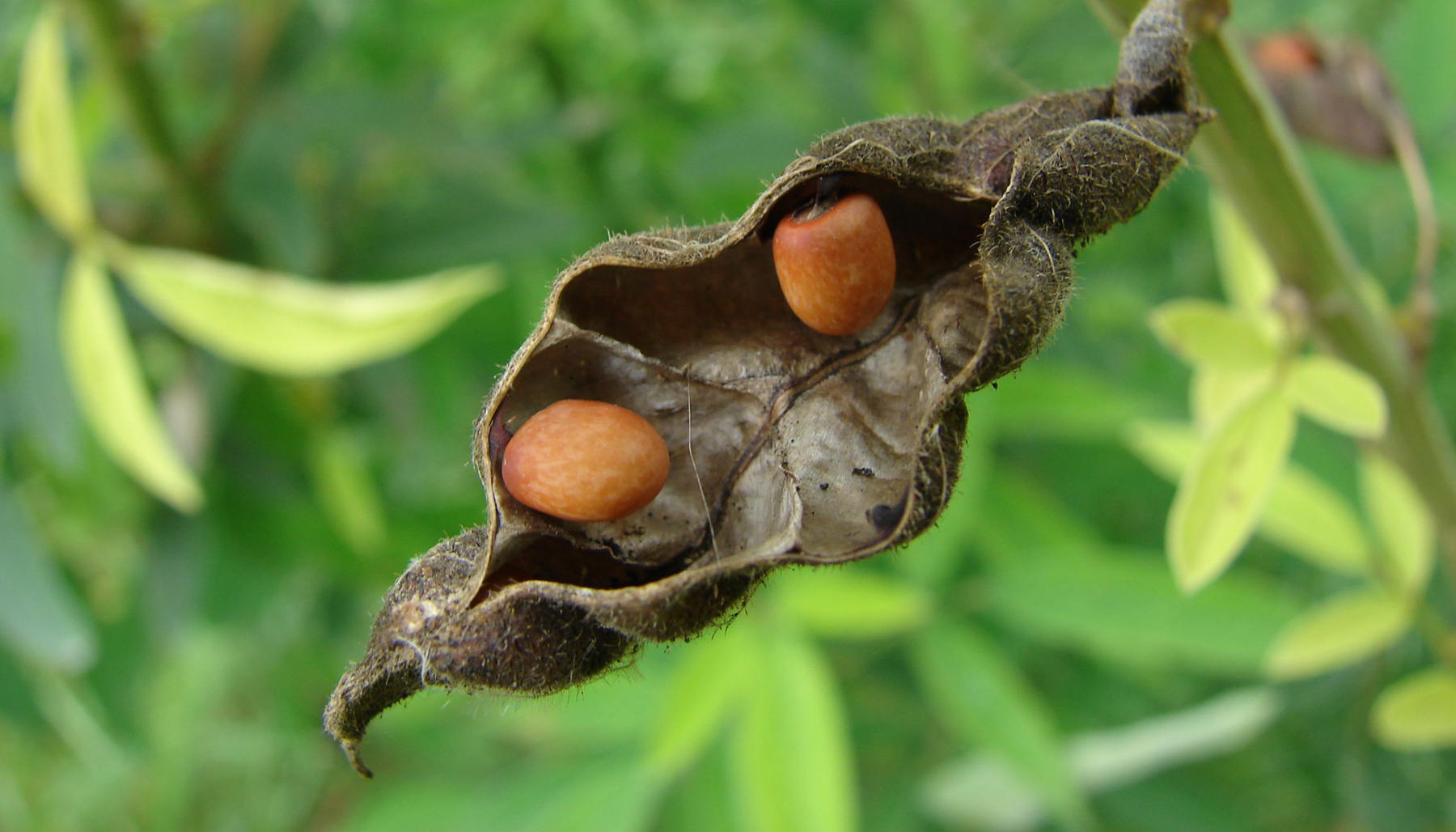
Why are we still buying nitrogen fertiliser?
Published on: March 1, 2026
Synthetic nitrogen transformed agriculture in the 20th century. It unlocked yields at unprecedented scale and fed a growing global population. But that breakthrough came with a cost — one we are still paying today.
Decades of synthetic nitrogen use have acidified soils, disrupted microbial communities, polluted waterways, and accelerated greenhouse gas emissions. Perhaps most critically, it has created dependency. Farmers — especially smallholders — now rely on expensive external inputs that often degrade the very land they depend on.
So the question is simple:
Why are we still buying nitrogen fertiliser when nature can do it for us?
A Shrub That Changes the Equation
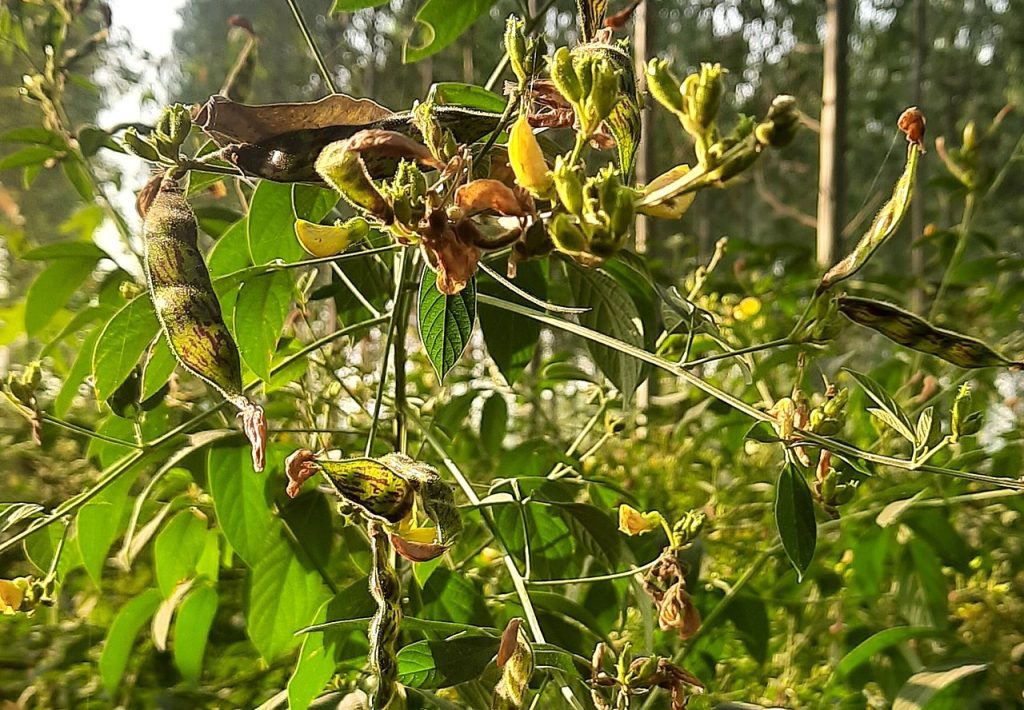
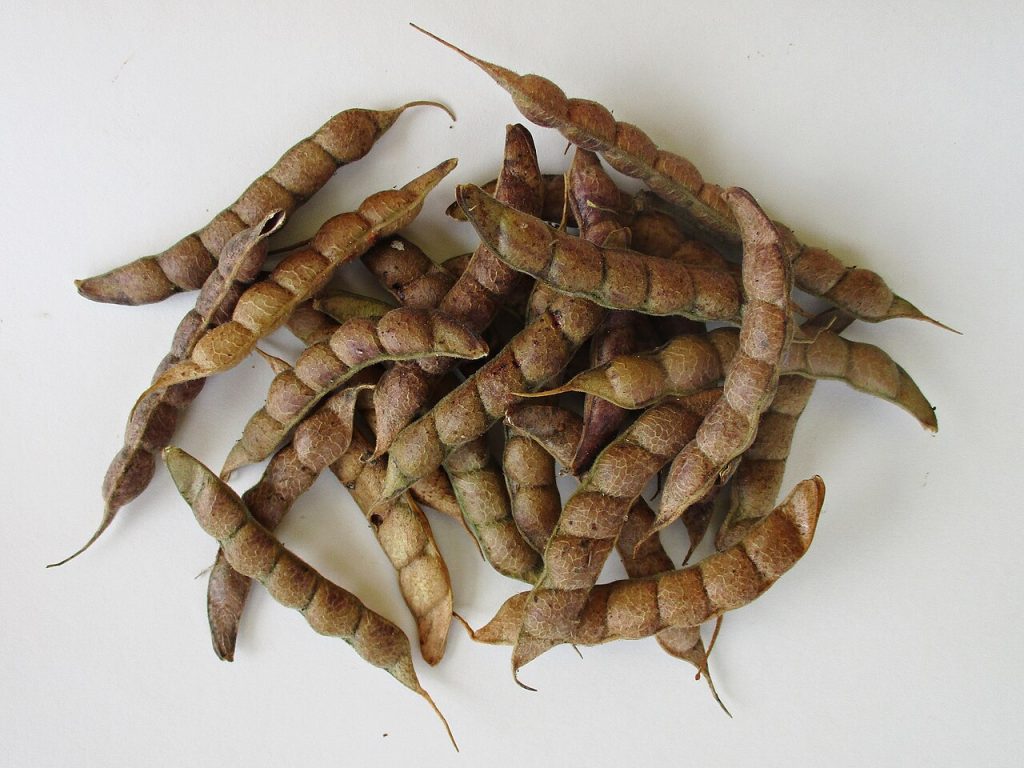
For thousands of years, pigeon pea (Cajanus cajan) has quietly offered a different pathway.
Across the world, pigeon pea carries many names — mbaazi in Swahili-speaking East Africa, gandul in the Caribbean, guandú in Colombia, feijão-guandu in Brazil, pois d’Angole in Francophone Africa, and arhar or toor across India.
It is a semi-perennial shrub, growing up to four metres tall, with a woody base and deep, powerful roots. It thrives across sub-Saharan Africa, South and Southeast Asia, and Latin America — particularly in seasonally dry climates where other crops struggle.
Farmers have cultivated pigeon pea for millennia as food:
- The dried seeds become dal.
- The green pods are eaten as vegetables.
- The leaves provide nutritious fodder for livestock.
It is resilient, productive, and culturally embedded. But its true power lies underground.
A true Nitrogen Factory
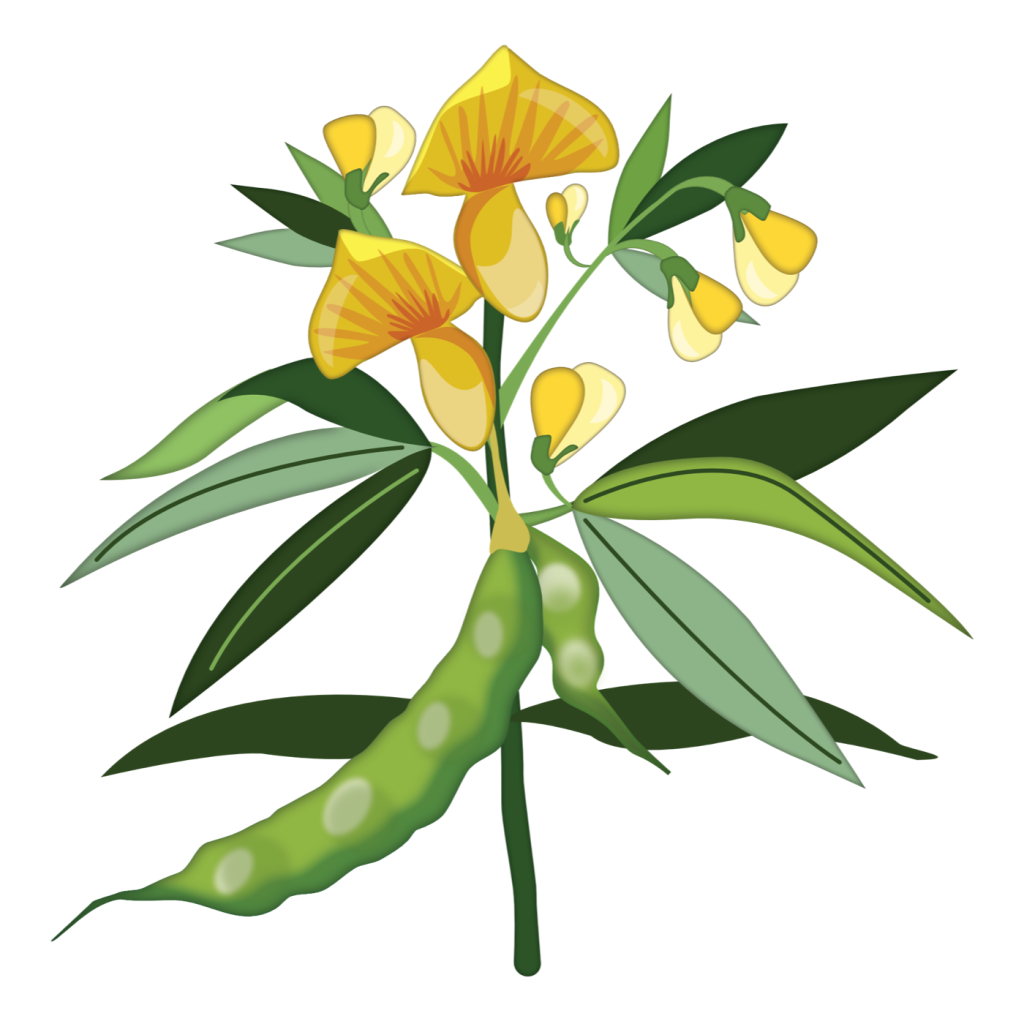
Pigeon pea forms symbiotic relationships with rhizobia bacteria in its root nodules. These bacteria fix atmospheric nitrogen — converting it into plant-available forms — and deposit it directly into the soil.
Under smallholder conditions, pigeon pea can fix between 40 and 80 kilograms of nitrogen per hectare per season.
To put that into perspective: that is a significant proportion of what many farmers would otherwise purchase as synthetic fertiliser.
When intercropped with maize, research from Malawi has shown that up to 35% of the nitrogen in the subsequent maize crop came from pigeon pea.
This is not marginal. It is system-changing. And nitrogen is only part of the story.
Unlocking Phosphorus
Pigeon pea’s deep root system accesses nutrients that shallow-rooted annual crops cannot reach — particularly phosphorus locked in subsoil layers. By bringing these nutrients into the biological cycle, pigeon pea improves nutrient availability across the cropping system.
Building Organic Matter
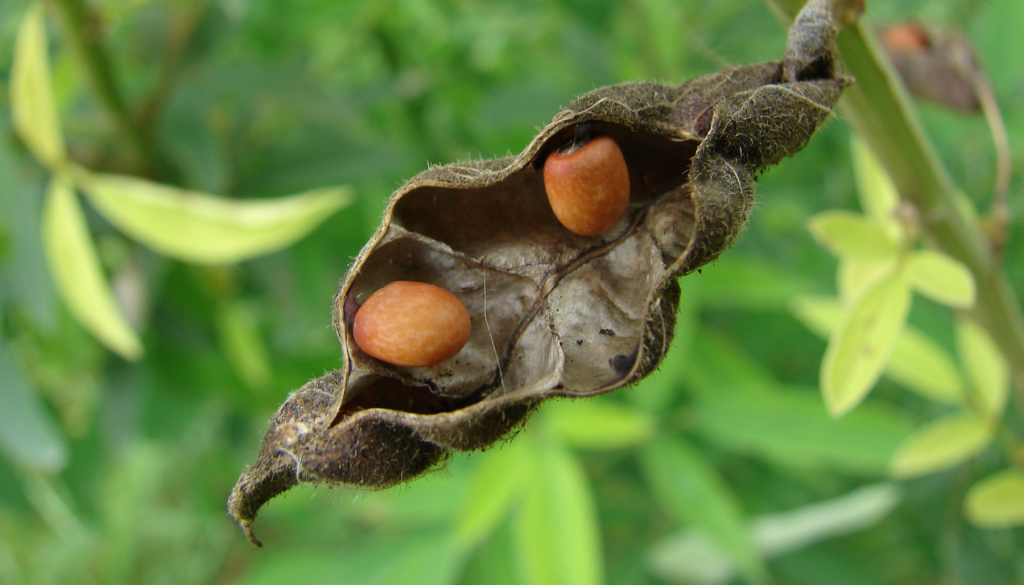
As a semi-perennial plant, pigeon pea produces substantial biomass. When leaves fall and stems decompose, they feed soil organisms and build organic matter.
Perennial systems can produce over 3 tonnes of leaf litter per hectare per year.
That means:
- Improved soil structure
- Increased water retention
- Enhanced microbial activity
- Greater resilience to drought
Instead of extracting fertility, pigeon pea regenerates it.
Why This Matters for Smallholders
In the landscapes where we work — Kenya, Colombia, Nepal, and across the drylands of sub-Saharan Africa — this matters enormously. Synthetic nitrogen is expensive, increasingly volatile in price, often inaccessible in remote areas, and highly vulnerable to global supply shocks. For smallholder farmers operating on thin margins, these inputs are not just another cost; they can represent a significant financial burden and a source of ongoing risk.
Pigeon pea offers a biological alternative. It reduces dependency on purchased fertilisers while simultaneously producing food for household consumption and generating income through local markets. At the same time, it strengthens long-term soil fertility by building organic matter and supporting living soil systems. It is not a trade-off between productivity and sustainability. It is a multiplier — delivering agronomic, economic, and ecological benefits at once.
From Input Dependency to System Intelligence
Regenerative agriculture is not about replacing one input with another; it is about redesigning systems so that ecological processes do the work. Instead of asking how much fertiliser we need to apply, we ask how biology can provide fertility. Instead of managing crops in isolation, we design relationships between plants that strengthen the whole system.
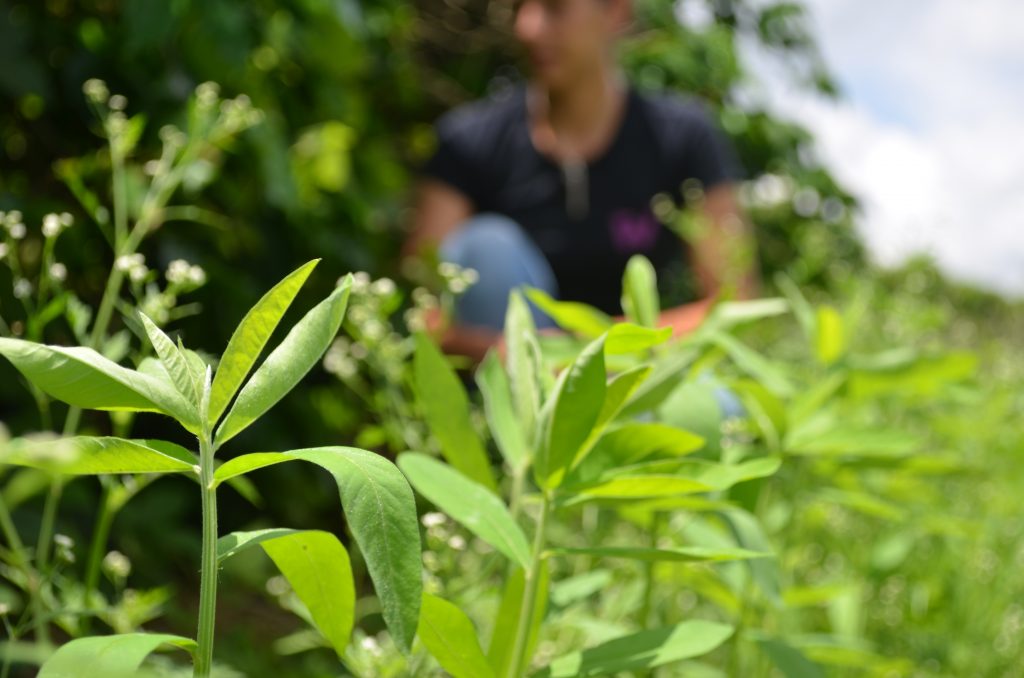
Pigeon pea is a building block in almost every intercropping and agroforestry system we design. In maize-based systems, it acts simultaneously as a nitrogen provider, a soil conditioner, a secondary harvest, and a buffer against drought. In agroforestry systems, it occupies the mid-story layer, functioning as a soil fertility engine that produces biomass while also generating income for farmers.
By integrating pigeon pea into diversified systems, we move away from linear input-output agriculture and toward circular, self-reinforcing ecosystems — systems where productivity is not purchased, but cultivated through living relationships in the field.
The Bigger Question
If a plant can fix nitrogen, build organic matter, unlock phosphorus, produce food, and generate income — all at the same time — what exactly are we paying for when we buy synthetic nitrogen?
Improving yields is not about higher inputs. It is about smarter biology. And sometimes, the solution has been growing in farmers’ fields for thousands of years.
At reNature, we work with farmers to design systems where crops like pigeon pea are not an afterthought — they are foundational. Because regeneration does not start with a bag of fertiliser.
It starts with living soil.
