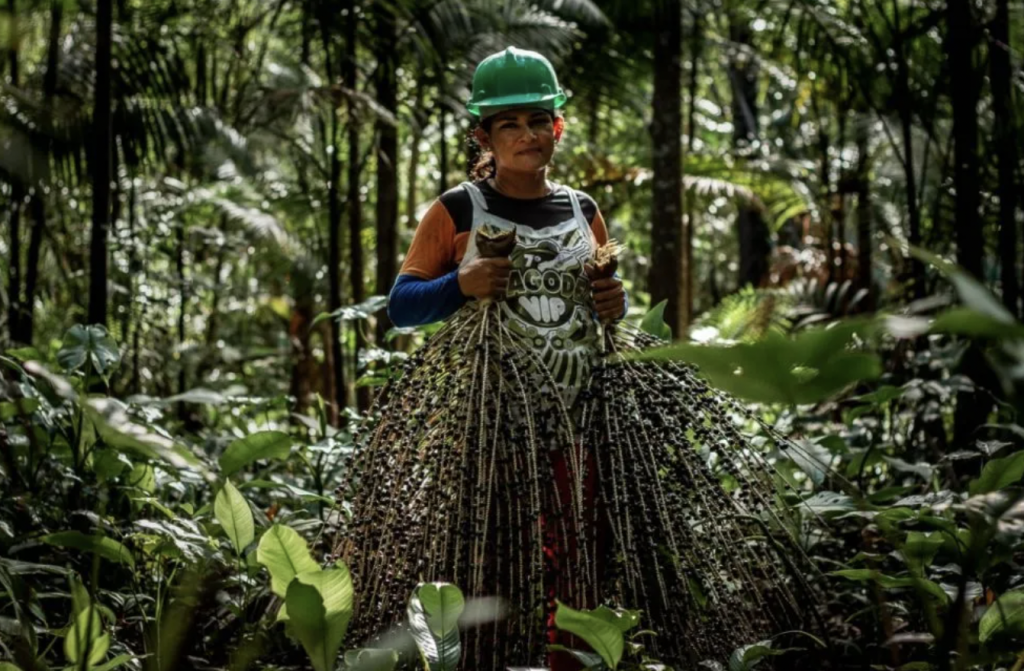
Women in Agriculture: Growing Change from the Ground Up
Published on: April 8, 2025
From the dry plains of Laikipia County in Kenya to the bustling vegetable markets of Mkata village in Tanzania, women are the quiet force sustaining the world’s food systems. They plant, tend, harvest, and sell – bringing life into lands that would otherwise fall barren. Their hands bring the food we eat onto our plates.
Yet even in this era of innovation and development, one thing remains stubbornly unchanged: when it comes to owning land, accessing credit, receiving agricultural training, or leading in decision making spaces, women are too often pushed to the margins. Their contributions are essential yet invisible, their potential vast yet unrealized.
As regenerative agriculture emerges as a solution to heal degraded lands and rebuild resilient food systems, empowering women farmers is not a side issue – it is the foundation. True regeneration begins not only in the soil, but in the systems of power that determine who has the ability to shape the future of farming.
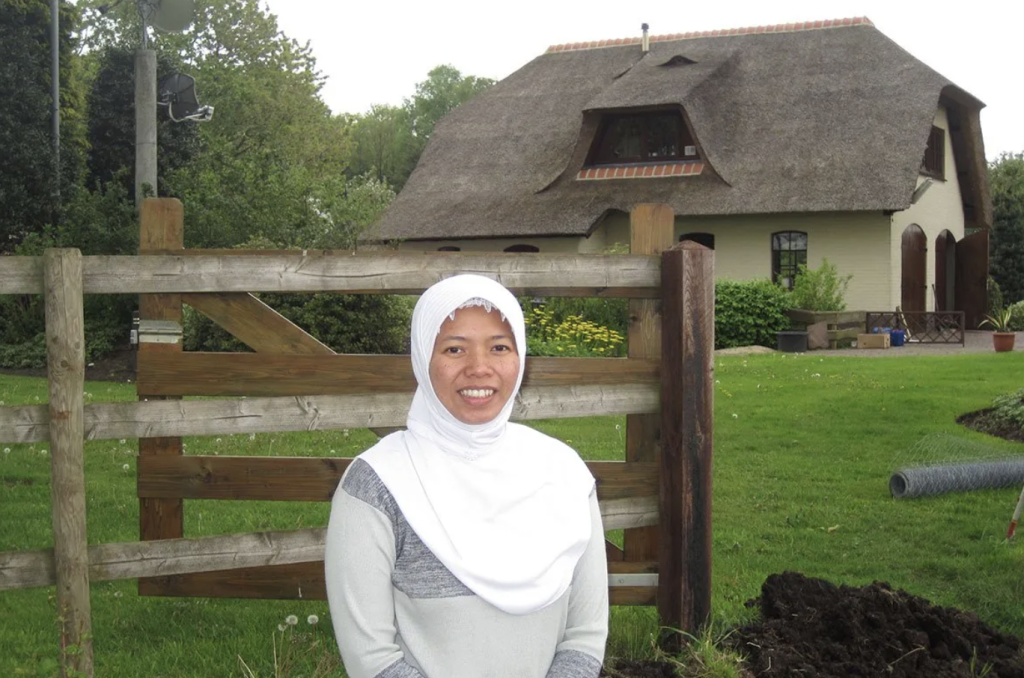
Within these systemic barriers, some women have managed to break through and become powerful examples of what’s possible when expertise and leadership are given space to thrive. Dr. Uma Khumairoh is one of them. Over the years, Dr. Khumairoh has consistently been one of the agricultural experts we turn to most, offering invaluable insights, deep technical expertise, and a lived understanding of how farming can be transformed from the ground up.
Especially in our Astungkara Way project, Dr. Uma Khumairoh has been our leading regional expert, assisting us in setting up the model farm and model school.
Across the world, women form the backbone of agriculture. They plant, tend, harvest, process, and sell much of the food that feeds their communities. In developing countries, women make up nearly half of the agricultural workforce, and in some regions, they produce up to 80% of staple foods. Yet, despite their essential role, women farmers often remain invisible – sidelined by structural barriers that limit their access to land, finance, training, and leadership opportunities.
As regenerative agriculture emerges as a key solution for restoring ecosystems and building resilient food systems, empowering women is no longer optional. It’s essential. Women farmers are not only sustaining communities – they are leading the shift toward farming practices that heal the land, strengthen biodiversity, and ensure long term food security.
For Uma, the journey began early – despite social expectations that farming wasn’t “for women.”
“When I was young, many people said that to me,” Uma recalls. “Not many girls went to the agricultural faculty. But when I was a kid, my parents took me to the farm almost every day after school. My father taught me how to grow chili under oranges or papaya or on rice bunds. When I was around 8 or 9 years old, my father even allowed me to take the chili to the market to sell it by myself with my brother, and save the money as if I was also running an agribusiness.”
Uma’s path toward regenerative agriculture wasn’t straightforward. Like many rural families chasing financial stability, her family shifted from diverse, small scale farming to monoculture sugarcane production. The initial profits hid deeper vulnerabilities.
“My father became very successful with his diverse crops but started monoculture sugarcane when he bought his own land,” Uma recalls. “He was successful and expanded outside Java Island. But then he lost many employees due to malaria outbreaks and had to compensate their families. He went bankrupt.”
This, for Uma, was a breaking point: “With less than five euros, I bought vegetable seeds to grow crops under snake fruit trees, using litter as natural fertilizer,” she says. “I ploughed the soil manually with my own hands and sold the vegetables directly to households and shops. That’s when I realized this was my path.”
The Barriers Faced by Women
Uma’s story mirrors the experience of millions of women farmers globally – leading innovation and resilience on the ground while being systematically excluded from decision making spaces. Studies show that women receive only about 7% of agricultural extension services globally, despite their heavy involvement in farming activities (World Bank, 2022). This was also evident in her experience:
“Although physically and mentally women are greatly involved in farming, here, women will not be invited for farm group meetings or agricultural training,” Uma shares. “Many of the activities only expect men to join.”
According to the FAO, closing the gender gap in agriculture could increase farm yields by 20 – 30% and lift 100 – 150 million people. Yet despite the evidence, structural barriers continue to prevent women from accessing the resources they need to thrive.
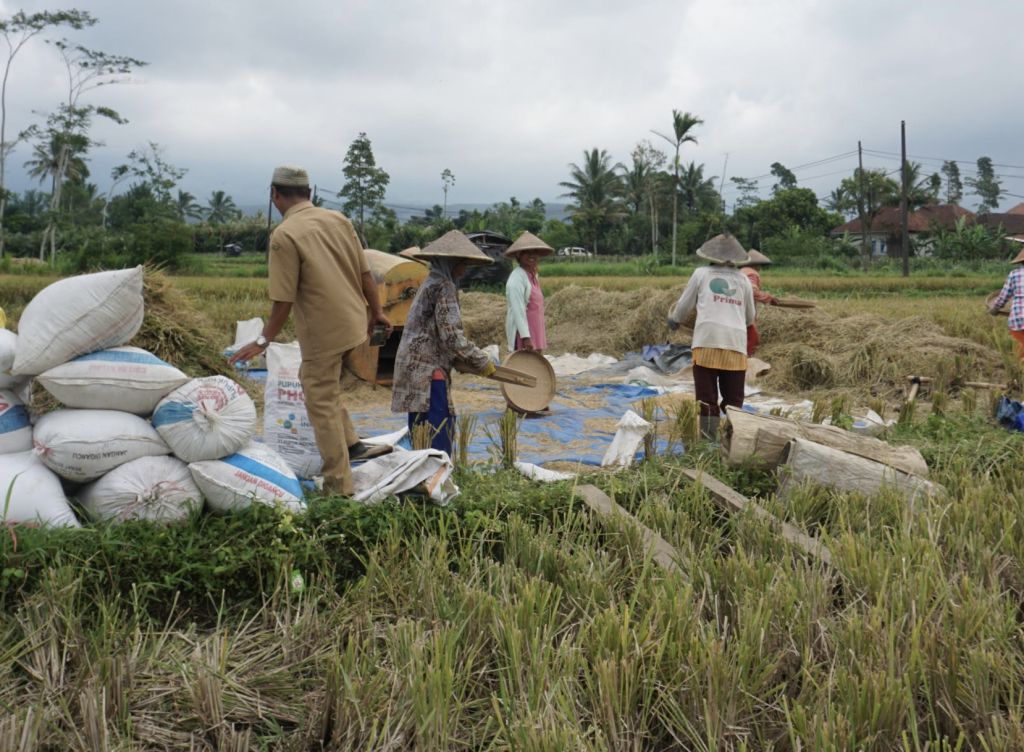
Why Regenerative Agriculture?
For Uma – and countless other farmers around the world, regenerative agriculture isn’t just a choice. It’s a necessity for survival.
“Now, getting mineral or artificial fertilizers is getting difficult to access and expensive,” Uma explains. “So, farmers are now looking for alternatives, including organic fertilizers instead of buying chemicals.”
As the costs of synthetic inputs rise and their environmental impacts become harder to ignore, farmers like Uma are leading the shift toward farming systems that work with nature, not against it. By composting crop residues, using animal manure, applying fish sediment, and practicing vermicomposting, they not only reduce input costs but also build healthier, more resilient farms that can withstand pests, diseases, and climate shocks.
“Crops become more resilient against pests and diseases after one to two years,” Uma says. “The carrying capacity of natural enemies increases year by year, making yields and diversity stable.”
Uma’s observations are backed by growing global evidence. Farms practicing regenerative methods such as cover cropping, intercropping, and organic amendments show higher biodiversity, improved soil health, and yields that are more stable over time, especially under drought conditions.
Moreover, regenerative agriculture can significantly boost farmer incomes by lowering dependency on expensive external inputs. A study by the Rodale Institute found that, on average, organic regenerative farms are three to six times more profitable than conventional farms in the long term, even though yields may be slightly lower initially.
For women farmers – who are often excluded from credit systems and struggle with limited access to costly inputs, the ability to produce natural fertilizers on farms and restore ecosystem balance offers a direct path to greater independence and resilience.
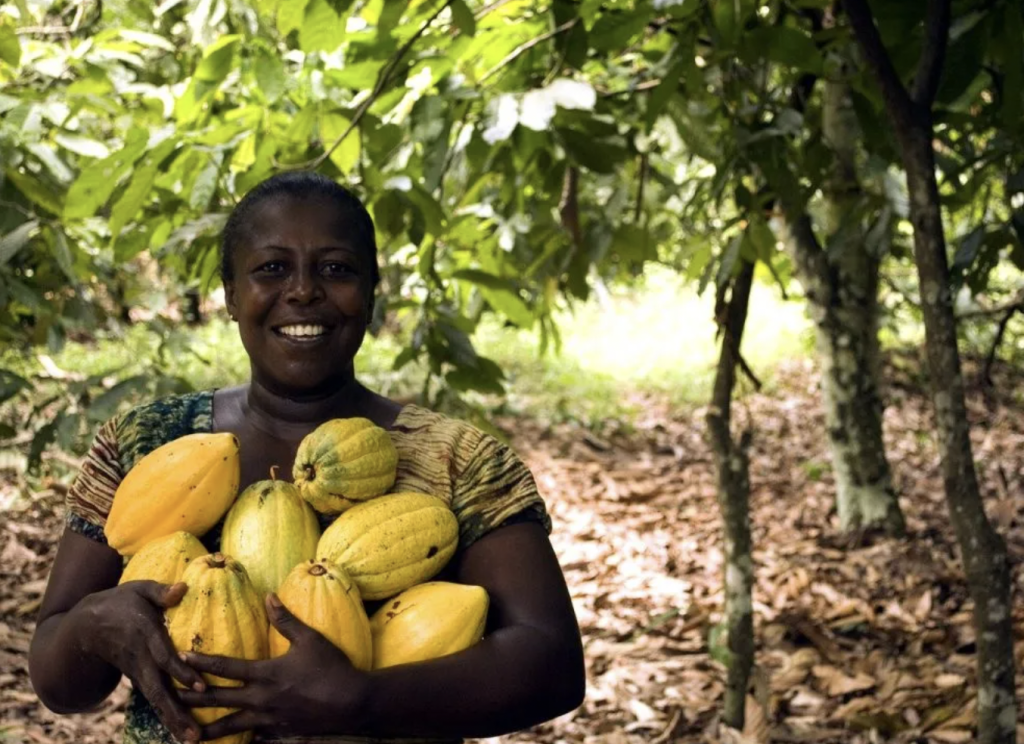
Unlocking the Full Potential of Women Farmers
Women like Uma are already showing what’s possible. But unlocking the full potential of women in agriculture requires more than admiration – it demands systemic change.
Women must have equal access to land, finance, training, markets, and leadership roles. Development programs must be designed with women, not for them. Technologies must be made accessible to women farmers who are too often left behind by agritech innovation. And above all, women’s voices must shape the decisions that define the future of food systems.
Empowering women in agriculture is not just about fairness. It’s about rebuilding ecosystems, strengthening food security, and ensuring the resilience of entire communities.
When women farmers thrive, the land thrives. And when the land thrives, so does the future of us all.