

Carboneers
How This Farm Fights Climate Change and Gets Paid For It
The biochar produced from this farm’s residues locks carbon into the soil for centuries. The data collected by drones, sensors, and smartphones creates a verified record of exactly how much carbon is being sequestered.
What Is Biochar?
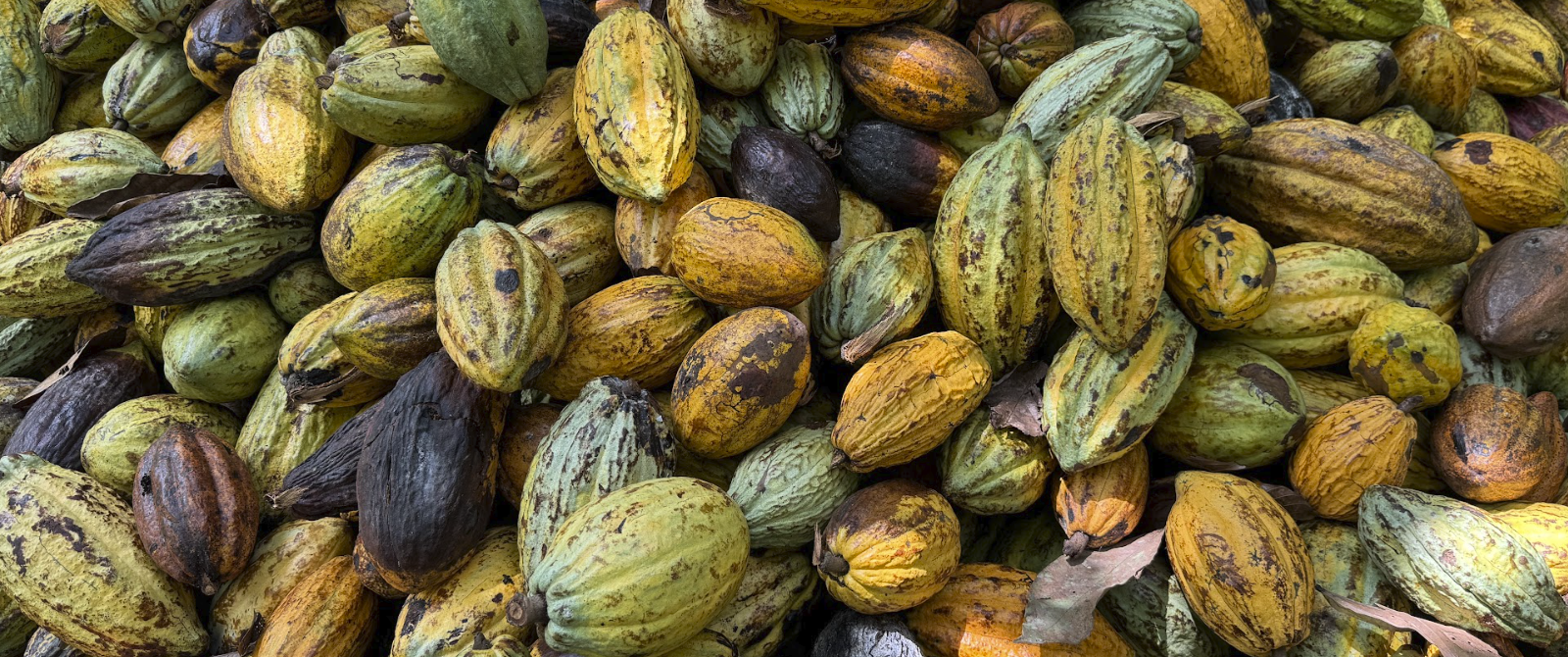
When cocoa pod husks are heated in a low oxygen environment, the carbon absorbed during the plant’s growth is stabilised into a charcoal like material rather than released back into the atmosphere. This material can persist in soil for hundreds to thousands of years. It can be sold on carbon markets as a carbon credit, with revenues on this farm projected at up to 85 EUR per tonne of CO₂ equivalent. Carbon credit volumes are estimated at 25 tonnes CO₂ equivalent in 2025 and 100 tonnes in 2026, with additional farmer income projected at USD 150 per farmer per year.

Monitoring, Reporting, and Verification
Carbon credits are only credible if they are verifiable. Carboneers operates an MRV system (Monitoring, Reporting, and Verification) built specifically for biochar projects. IoT sensors monitor biochar kiln conditions in real time. A mobile app records all project activities. Third party audits confirm the data. The result is a verified carbon asset that meets international market standards.
The Role of Data
Carboneers’ AI system uses smartphones and mini-drones to count cocoa pods, map trees, and detect early pest and disease outbreaks. Harvest losses in the region run between 25% and 40%, early detection reduces those losses directly while simultaneously generating the field data that underpins carbon verification. Youth from this community are being trained to operate this monitoring system, turning data collection into a skilled local role.

Future Potential
As the agroforestry system matures, carbon sequestration grows. More trees, deeper roots, higher soil organic matter, and continued biochar application build a growing carbon asset over time. The MRV infrastructure being established now is designed to scale to 200 farms and 200 hectares by 2028 and to contribute to the evidence base that makes carbon finance a real income stream for smallholder farmers across West Africa.
