Jordan
Jordan, renowned for its rich history and diverse landscapes, faces significant environmental challenges that impact its agricultural sector. Agriculture, though contributing modestly to the national GDP, is vital for rural livelihoods and food security. However, climate change, water scarcity, and soil degradation threaten the sustainability of traditional farming methods. Rising temperatures, decreasing rainfall, and desertification increase the vulnerability of communities to food shortages and economic instability.
The Promise of Regenerative Agriculture
Regenerative agriculture offers Jordan a pathway to restore its fragile ecosystems and build resilience against climate challenges. By focusing on sustainable practices like agroforestry, water management, and soil regeneration, regenerative agriculture enhances soil health, promotes biodiversity, and improves water retention. Jordan’s arid lands hold potential for regenerative techniques that can revitalize the soil, creating productive, sustainable food systems benefiting both people and the environment.

Transforming Traditional Agricultural Practices
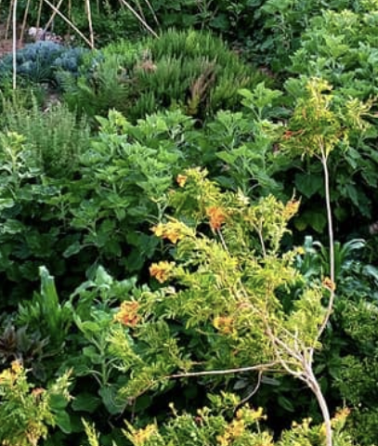
Traditional farming methods often lead to soil depletion and increased vulnerability to drought and desertification. In contrast, regenerative agriculture employs methods such as crop diversification, composting, and minimal soil disturbance to enhance soil structure, reduce erosion, and maintain essential nutrients. Implementing these practices across Jordan can help farmers overcome challenges posed by water scarcity and harsh climatic conditions. Agroforestry, which integrates trees and shrubs into agricultural systems, aids in shading crops, conserving water, and reducing soil erosion.
Building Community Resilience and Food Security
Regenerative agriculture not only addresses environmental issues but also fosters resilience within local communities. By transitioning to regenerative practices, Jordanian farmers can reduce reliance on chemical inputs, improve crop yields, and enhance food security. Community-based projects and knowledge-sharing initiatives provide farmers with the skills needed to adopt sustainable practices that benefit their families and communities. These projects offer critical training on water-efficient farming, soil restoration, and sustainable grazing practices, empowering communities to adapt to climate challenges
A Model for the Region
Jordan’s adoption of regenerative agriculture can serve as a valuable model for other arid and semi-arid regions facing similar environmental and climate challenges. With its unique position in the Middle East, Jordan has the opportunity to lead in sustainable agriculture, showcasing how regenerative practices can be tailored to dry climates. By restoring degraded land and improving resource efficiency, Jordan can inspire neighboring countries to pursue a sustainable path that safeguards the environment while supporting local livelihoods.

A Vision for a Resilient Future
With investments in education, technology, and community engagement, Jordan can become a regional leader in regenerative agriculture. Transitioning its agricultural systems can reduce environmental impact, enhance food security, and build climate resilience. Regenerative agriculture offers a holistic approach to farming, emphasizing healthy soil, water conservation, and biodiversity.
In a region often defined by water scarcity and climate challenges, Jordan’s commitment to regenerative agriculture represents a hopeful vision for a sustainable and resilient future. Through innovative practices and community empowerment, Jordan is poised to redefine agriculture in the Middle East, demonstrating that sustainable land stewardship is not only possible but essential for a thriving future.