Vietnam
Vietnam in Southeast Asian has a diverse landscape of river deltas, coastal plains and mountainous highlands. Agriculture connects these landscapes to rural livelihoods and international supply chains, with rice, coffee, pepper, cashew, tea and rubber among its important crops.
The country’s agricultural development has helped strengthen food security and create economic opportunities. Maintaining these gains requires farming systems that protect natural resources and respond to increasingly challenging growing conditions.
Climate change is already affecting agricultural production. In the Central Highlands, variable rainfall and drought threaten coffee yields, while excessive rainfall and flooding damage rice and vegetable crops in the Red River Delta. The Mekong Delta faces additional pressures from saltwater intrusion, erosion and land subsidence.
Strengthening farmer incomes
Vietnam’s agricultural export success has not benefited all rural households equally. Helping farmers improve product quality, diversify production and connect with buyers can create opportunities to earn more from their land and build greater financial security.
Protecting soil and water
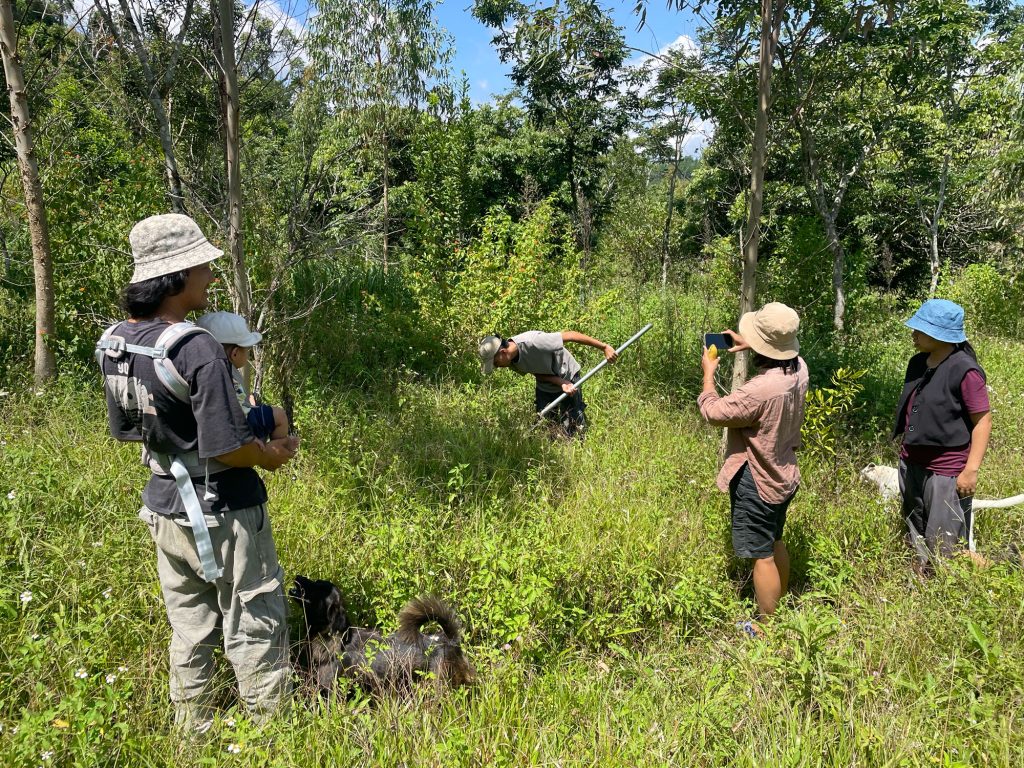
Intensive farming and excessive use of fertilisers and pesticides place pressure on Vietnam’s soils and water resources. Improving soil management and using inputs more efficiently can reduce pollution and production costs while protecting the natural resources that farming depends on.
Improving access to knowledge and markets
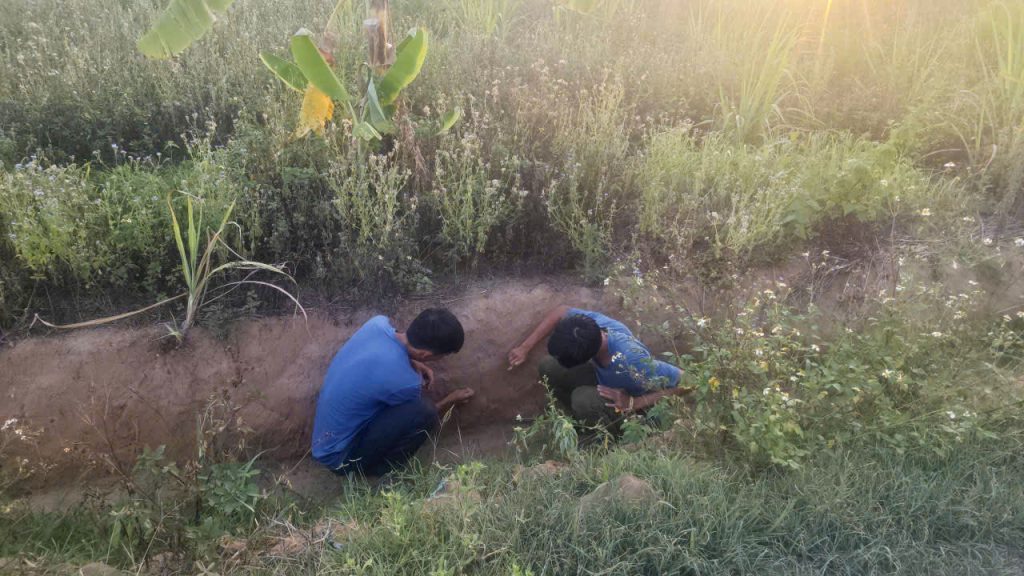
Access to practical training, suitable technology and reliable market connections remains important for rural development. Strengthening farmer networks, demonstration farms and links with buyers can help farmers adopt better practices and turn improvements on the farm into lasting livelihood opportunities.