

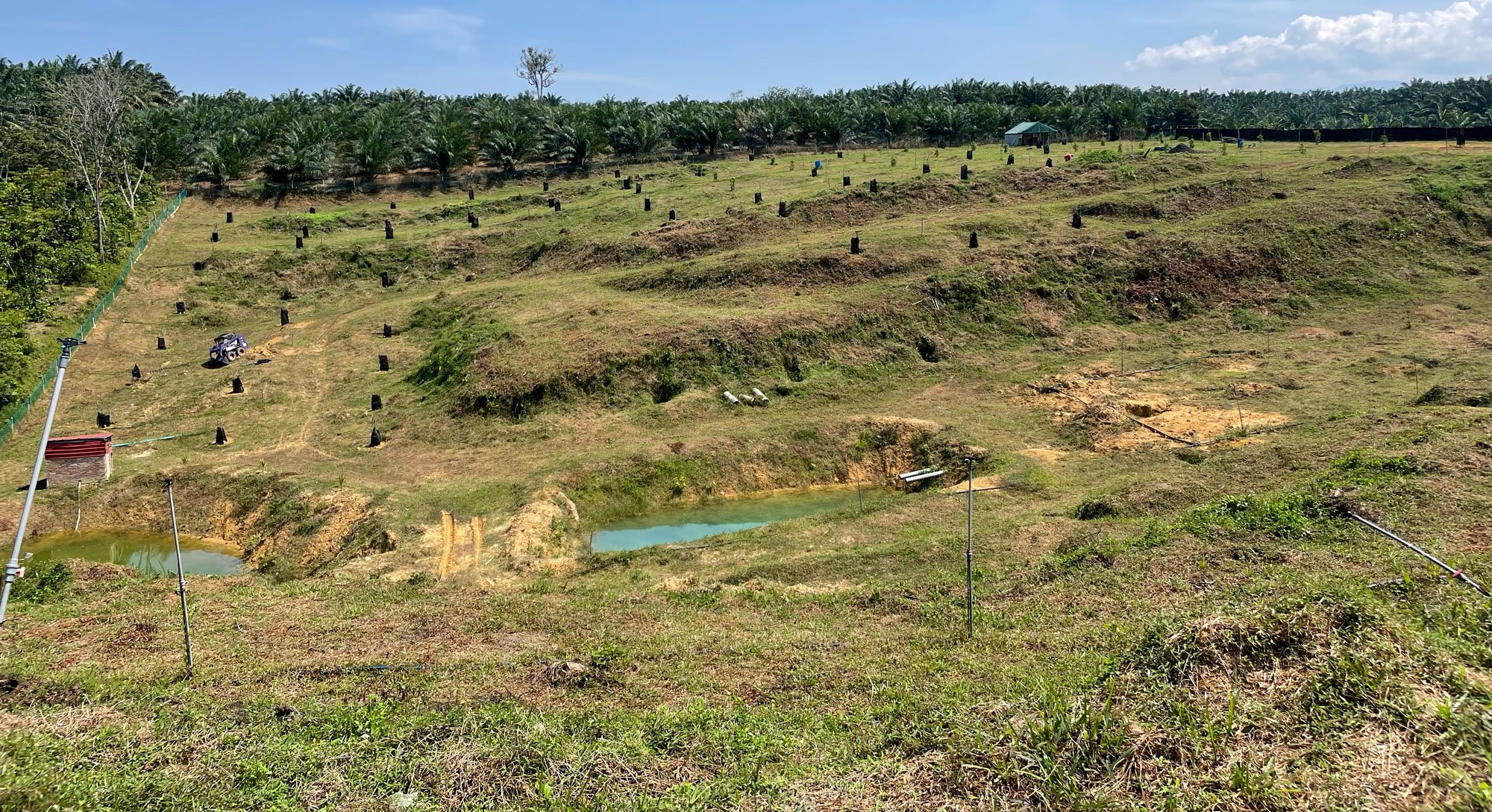
Disseminating regenerative agriculture practices in Malaysia
- DefinitionDevising project idea, defining the aim and main components
- DesignSpecifying details such as time-frame, budget, target indicators, project partners and relevant steps to reach the project objectives
- Open to FinancingSearching and securing funding and investment, setting up relevant financing partnerships, and discussing payment modalities
- ImplementationExecution of feasibility studies, context analysis, plot design, planting and setting up facilities and starting with potential capacity-building
- MaintenanceOperational phase (monitoring and evaluation, impact assessments and adjustments, execution of educational programmes and long-term capacity building)
- Scaling UpScaling up phase is when the project it has already shown success by obtaining impact as well as economic results and it's ready to become replicable.
In Perak and Sarawak, Malaysia, reNature is identifying practical pathways towards regenerative agriculture for smallholder farmers. By understanding how farmers currently manage their land, share knowledge, and access support, the project lays the groundwork for interventions that respond to local needs.
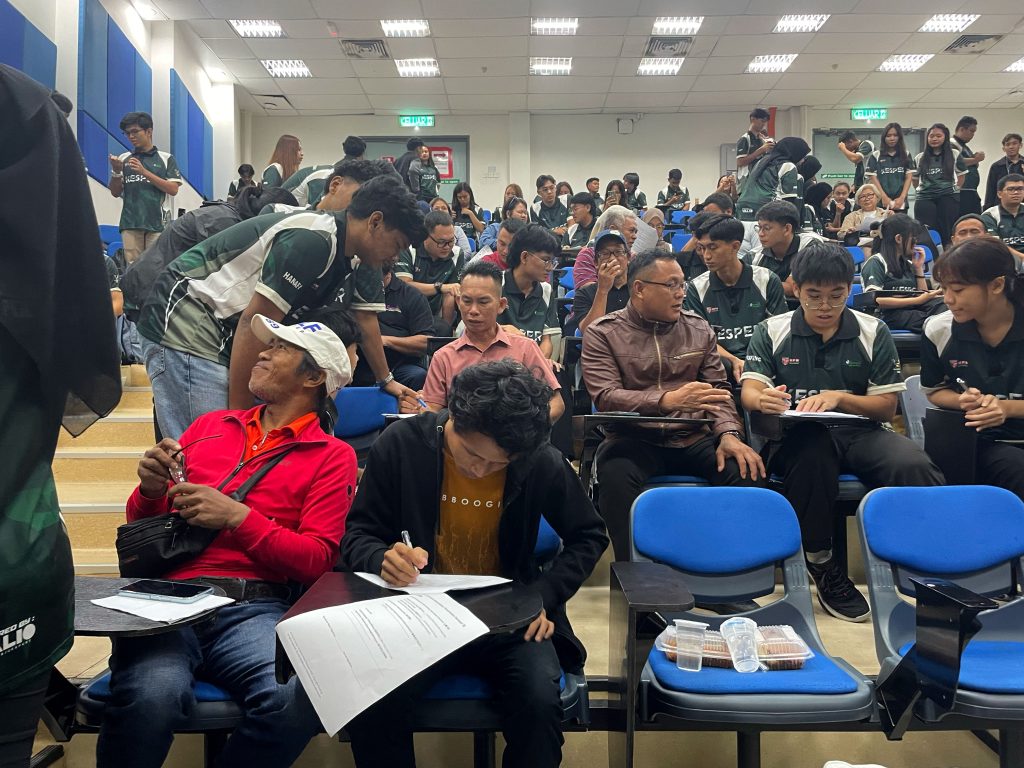
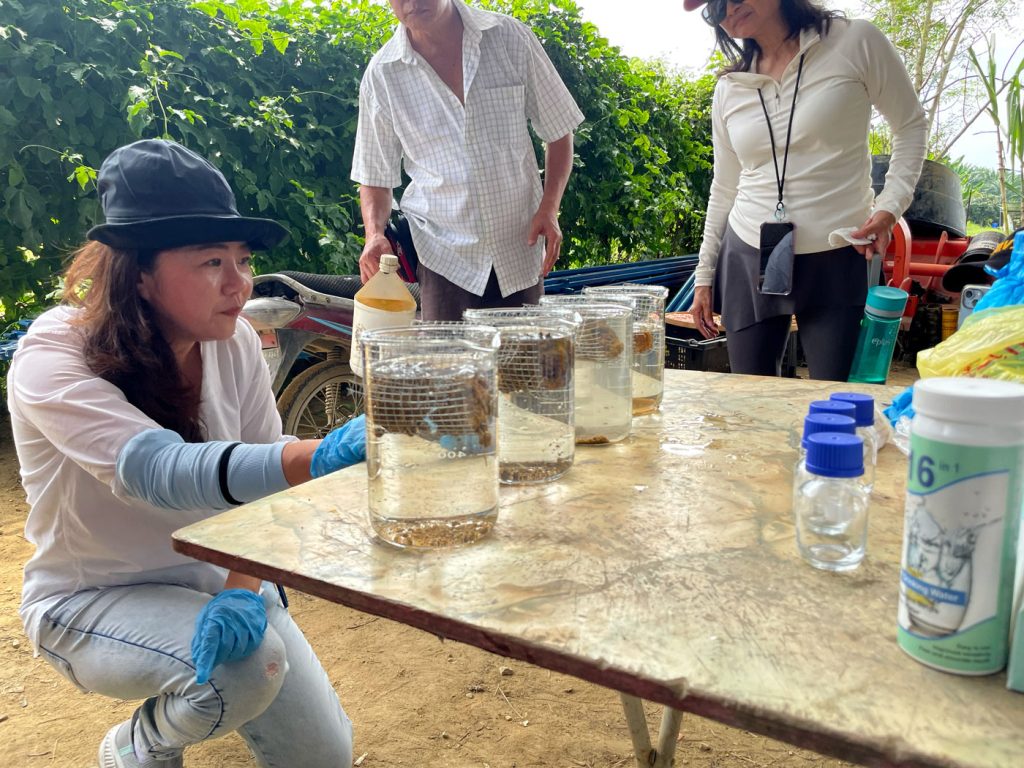
Between January and February 2026, 23 farmers participated in a field assessment in Tanjung Tualang, Perak, and Bintulu, Sarawak. Using the Food and Agriculture Organization’s Tool for Agroecology Performance Evaluation (FAO TAPE), alongside visual soil assessments, the study explored farming practices, soil conditions and barriers to transition.
The findings reveal different starting points in the two regions, but a shared opportunity: connecting crops, soil, livestock and farmer knowledge into more resilient farming systems.
Greater diversity can strengthen farmer resilience
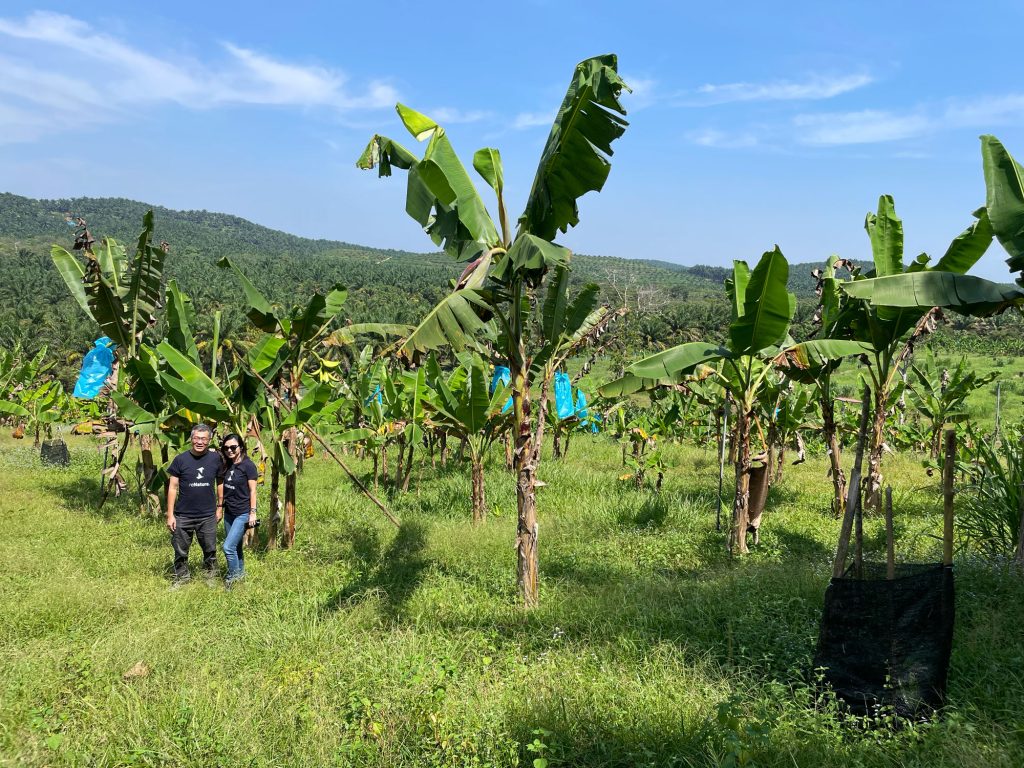
The participating farmers in Perak demonstrated strong resource efficiency and well-established networks for sharing knowledge. However, limited diversification leaves their farms vulnerable to crop failure and market price fluctuations.
The Perak Model Farm will demonstrate how long-term crops, such as durian and longan, can be integrated with shorter-term crops, including banana and papaya. Diversifying production aims to spread risk and create complementary income streams while making better use of farm resources.
Practical learning can unlock progress in Sarawak
The assessment in Sarawak identified limited knowledge exchange and difficulties translating training into everyday farm management. Establishing a local Model Farm will give farmers access to practical examples suited to their production systems and resources.
Training will connect technical knowledge with hands-on experience, helping farmers understand how to introduce regenerative practices on their own land. Farmer-to-farmer exchange will support continued learning and strengthen local networks.
Healthy soils underpin productive farms
Across both regions, the assessment identified opportunities to improve the connections between crops, soil, livestock and the surrounding landscape. Visual soil assessments also indicated promising soil conditions in Sarawak, highlighting the importance of protecting this resource through deliberate management.
The Model Farms will demonstrate the use of biostimulants, cover crops and minimal soil disturbance. Alongside nutrient recycling and diversified planting, these practices aim to maintain soil organic matter, support biological activity and reduce dependence on external inputs.
Connecting farmers, consumers and markets
The transition requires more than changes in farming practices. Farmers also need access to learning opportunities, recognition for their efforts and markets that value their production.
The project will develop educational infrastructure for training and agrotourism, creating a platform for visibility and learning. Bringing consumers closer to farming will help raise awareness of regenerative agriculture and open opportunities for farmers to connect with new markets.
From two Model Farms to regional adoption
Capacity building will begin with an initial network of 10 farmers. The two Model Farms will serve as learning hubs, creating a foundation for expanding training to more than 300 farmers in the region.
The long-term goal is to lay the groundwork for replicating the model across more than 100 hectares. By combining demonstration farms, educational infrastructure and farmer networks, the initiative aims to establish Malaysia’s first regenerative Model Farm and training hub, supporting wider adoption of resilient and productive farming systems.
Journal

All you want to know about soil health


