


Regenerative master plan, Wawee Valley, Thailand
- DefinitionDevising project idea, defining the aim and main components
- DesignSpecifying details such as time-frame, budget, target indicators, project partners and relevant steps to reach the project objectives
- Open to FinancingSearching and securing funding and investment, setting up relevant financing partnerships, and discussing payment modalities
- ImplementationExecution of feasibility studies, context analysis, plot design, planting and setting up facilities and starting with potential capacity-building
- MaintenanceOperational phase (monitoring and evaluation, impact assessments and adjustments, execution of educational programmes and long-term capacity building)
- Scaling UpScaling up phase is when the project it has already shown success by obtaining impact as well as economic results and it's ready to become replicable.
Zero FoodPrint Asia and reNature’s second collaboration is a partnership with The Wawee Valley Foundation to help farmers in Northern Thailand adapt to climate change. Addressing the climate challenges requires a comprehensive approach and a regenerative master plan. Sustainable agricultural practices, improved water management, and increased resilience through community education and infrastructure development are crucial. By taking these steps, the region can better prepare for and mitigate the impacts of climate change, ensuring a more stable and secure future for its inhabitants.
The Wawee Valley is a fertile area spanning 40,000 hectares between Chiang Rai and Chiang Mai. It is home to approximately 27,900 people from the Akha and Karen tribes. In 2013, Hilltribe Organics was founded to revitalize poor hill tribe farming communities through organic agriculture, starting with Thailand’s first organic, free-range eggs. To date, Hilltribe Organics has positively impacted nearly 250 families.

Rainfall variability is a growing concern.
The region has seen changes in rainfall patterns, with some areas experiencing more intense rainfall while others face prolonged droughts. This variability disrupts farming activities and reduces the water supply for irrigation. Increased intensity of rainfall can lead to more frequent and severe flooding, damaging infrastructure, homes, and agricultural lands. Conversely, prolonged periods of drought are becoming more common, depleting water resources, affecting crop production, and leading to water scarcity.
The impact on agriculture is severe.
Changes in temperature and precipitation affect the growth cycles and viability of traditional crops, leading to reduced yields and economic losses for farmers. Warmer temperatures and altered rainfall patterns can also increase the prevalence of pests and diseases, further threatening crop production. Water scarcity exacerbates these issues, as fluctuations in rainfall and increased temperatures reduce water availability for both agricultural and domestic use. The melting of glaciers in the Himalayas, which affects the river systems in Northern Thailand, can alter water availability and lead to unpredictable river flows.
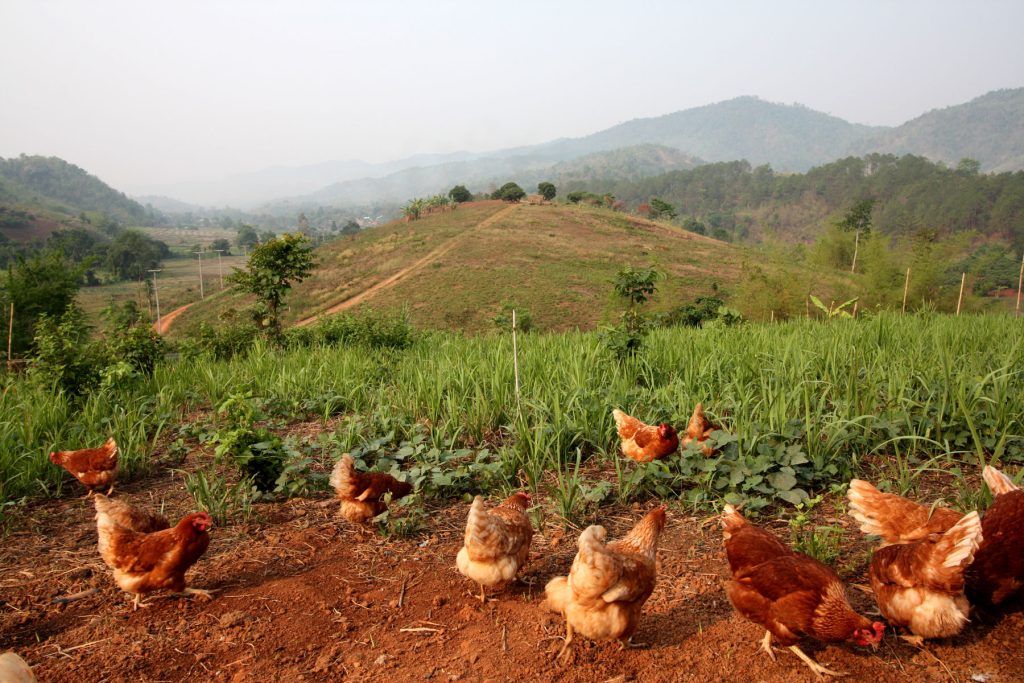
Climate change hits biodiversity.
Climate changes can lead to habitat loss and fragmentation, affecting local wildlife and biodiversity. Increased temperatures and changes in precipitation stress forest ecosystems, making them more susceptible to fires and pest infestations. These environmental changes have significant socio-economic repercussions. Many communities in Northern Thailand rely on agriculture for their livelihoods. Climate change can reduce crop yields and income, increasing poverty and food insecurity. As agricultural productivity declines, people may be forced to migrate to urban areas for better opportunities, leading to social and economic challenges in both rural and urban areas.
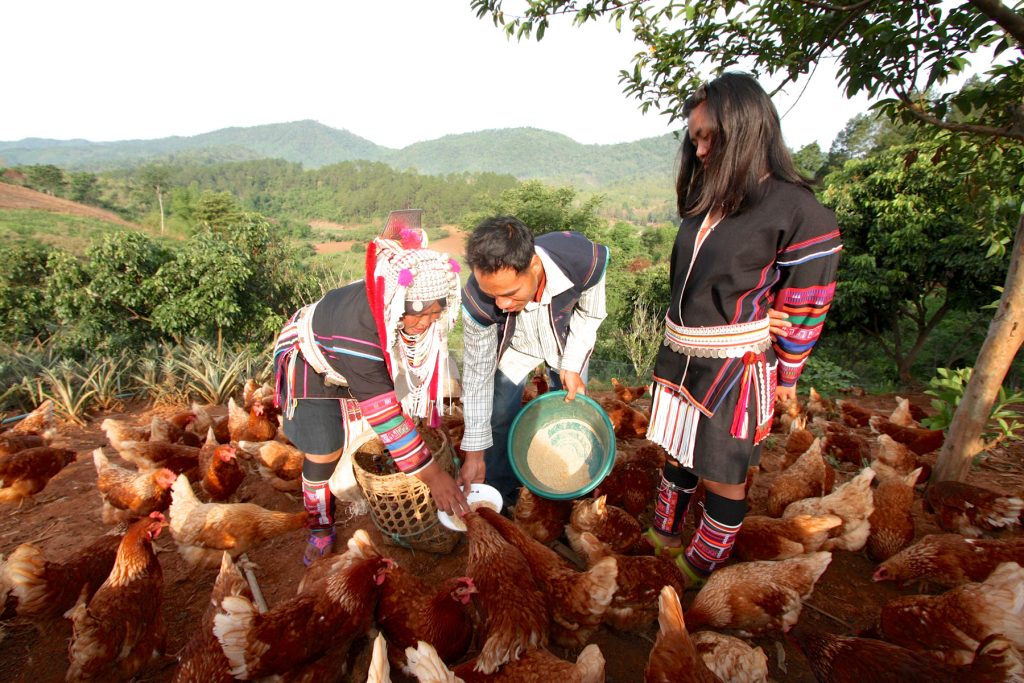
A master plan for the future of Wawee Valley
Hilltribe Organics established The Wawee Valley Foundation in 2022 to develop new, sustainable models for transforming the valley to create an integrated ecosystem that alleviates poverty and combats climate change. With over 5,000 families living in Wawee Valley, the foundation aims to build a fair and redistributive ecosystem for all.
Working closely with the Wawee Valley Foundation, reNature will develop a master plan using regenerative principles. This includes cultivating various crops, such as tea, coffee, and macadamia nuts, while preserving the region’s indigenous roots. The focus will be on improving soil health, promoting biodiversity, sequestering carbon, and strengthening local livelihoods.
The 18-month project will begin in July 2024, funded exclusively by Hyatt Centric, Grand Hyatt, Hyatt Regency ShaTin, and Hyatt Regency Tsim Sha Tsui in Hong Kong. The funding comes from the 1% pledges collected by their restaurants over the past year. This initiative showcases how the hospitality industry can contribute to restoring our food system.
Journal

A Win-Win in Regenerative Rice

Common mistakes with implementing Agroforestry

How to make coffee become regenerative


