Pears
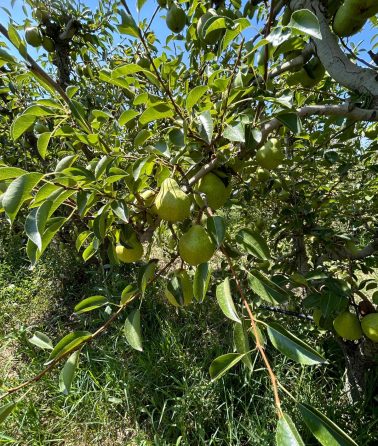
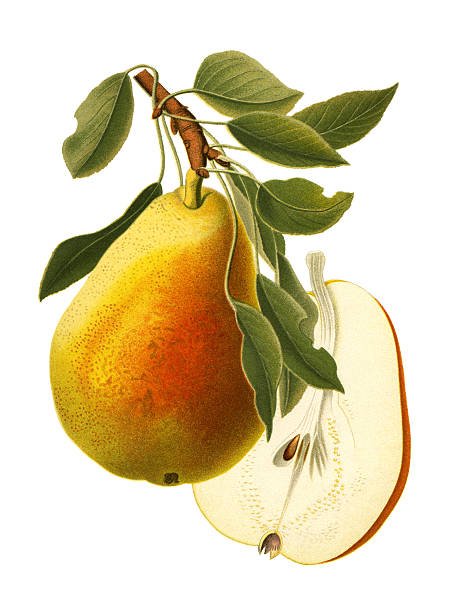
Pears, with their soft texture and delightful balance of sweetness and subtle acidity, have long been a cherished fruit worldwide. Cultivated primarily in temperate regions, they thrive in nutrient rich soils and cooler climates, making them an integral crop for smallholder farmers and large scale producers alike. From fresh markets to processed goods, pears offer a versatile and nutritious option for consumers. However, the industry behind this beloved fruit is facing mounting challenges, including water scarcity, declining soil fertility, and the unpredictable impacts of climate change. These pressures demand innovative solutions to ensure the sustainability and resilience of pear cultivation.
The Promise of Regenerative Agriculture
Regenerative agriculture offers a transformative approach to pear farming by addressing critical environmental and economic challenges through nature based solutions. At the heart of this practice is the restoration of soil health – a cornerstone for high quality pear production. Techniques such as cover cropping, organic composting, and agroforestry enhance soil structure and fertility, reducing dependence on synthetic fertilizers and pesticides. These methods not only boost pear yields but also improve the fruit’s taste and nutritional profile by fostering a healthy growing environment.
Water management is another vital focus for sustainable pear farming. Regions known for pear cultivation often face water shortages, making efficient irrigation strategies crucial. Regenerative practices, like mulching and soil moisture monitoring, help conserve water while ensuring trees receive the hydration they need to flourish. Combined with the preservation of natural ecosystems through intercropping and hedgerow planting, these methods build resilience to climate variability and protect biodiversity.
Empowering Communities and Protecting Ecosystems
Beyond environmental benefits, regenerative pear farming also champions social and economic empowerment for farming communities. By adopting regenerative practices, farmers can reduce input costs, stabilize yields, and access premium markets that reward sustainability. Training programs, knowledge sharing, and cooperative models further equip farmers with the tools to innovate and adapt, fostering stronger rural economies.
This holistic approach extends to protecting the ecosystems surrounding pear orchards. By integrating biodiversity enhancing practices, such as maintaining pollinator habitats and reducing chemical use, farmers create landscapes that support wildlife while strengthening the ecological balance necessary for sustainable farming.
A Vision for the Future
The transition to regenerative agriculture in pear farming is not just a necessity but an opportunity to redefine the future of this beloved fruit. By prioritizing soil health, water conservation, and community empowerment, pear cultivation can lead the way in sustainable agriculture. Consumers, too, play a vital role in this transformation by supporting pear products that align with environmental stewardship and ethical farming practices.
Through the lens of regenerative agriculture, pears symbolize more than a delicious fruit; they represent a commitment to a thriving planet, resilient farming systems, and a sweeter, sustainable future for all.