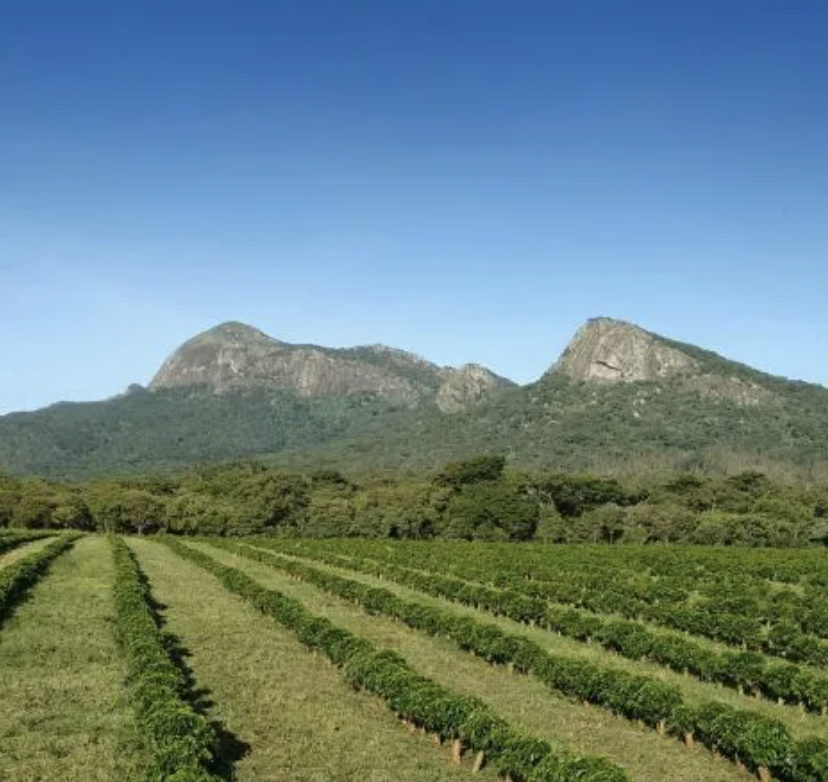
Malawi
Malawi, a landlocked nation in southeastern Africa, is home to over 80% of its population relying on agriculture for their livelihoods. However, the country faces significant challenges due to climate change, soil degradation, and economic instability, which threaten food security and the well being of its people.
Agricultural Landscape and Challenges
Malawi’s agriculture is predominantly rain fed and characterized by smallholder farms. The reliance on maize as the staple crop, coupled with limited diversification, makes the agricultural sector vulnerable to climatic shocks. Recent years have seen increased frequency of droughts and floods, exacerbating food insecurity and poverty levels.
Climate Change and Its Impact
The effects of climate change are evident in Malawi, with irregular rainfall patterns and extreme weather events becoming more common. These changes have led to reduced agricultural productivity and increased pressure on natural resources. The World Bank warns that, without climate informed economic development, Malawi’s GDP could decline significantly due to climate related impacts.
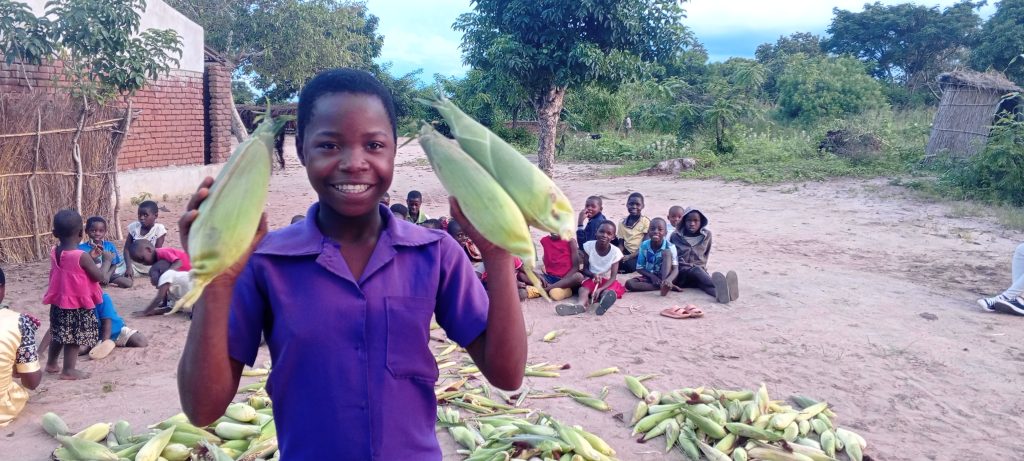
In response to these challenges, regenerative agriculture has emerged as a promising solution. Engaging the youth in agriculture is crucial for Malawi’s sustainable development.
The Malawian government, in collaboration with international partners, has developed strategies to enhance food security and promote sustainable agriculture. Initiatives include the National Nutrition Policy and Strategic Plan, which aims to coordinate food security and nutrition programming at national and community levels.
Conclusion
Malawi’s journey towards sustainable agriculture and food security is marked by challenges and opportunities. Through regenerative practices, youth engagement, and supportive policies, the country can build resilient farming systems that secure livelihoods and protect the environment for future generations.
Partners in country