The Gambia
“When the sun rises, it rises for everyone.” This Mandinka proverb reflects the resilience and shared hope that runs through The Gambia, a small yet impactful nation. Known as the “Smiling Coast of Africa,” The Gambia has a rich history interwoven with its defining feature—the River Gambia, a vital lifeline that inspired Alex Haley’s iconic novel Roots. Stretching 500 kilometers from the Atlantic Ocean inland, the river sustains the nation’s biodiversity, agriculture, and communities.
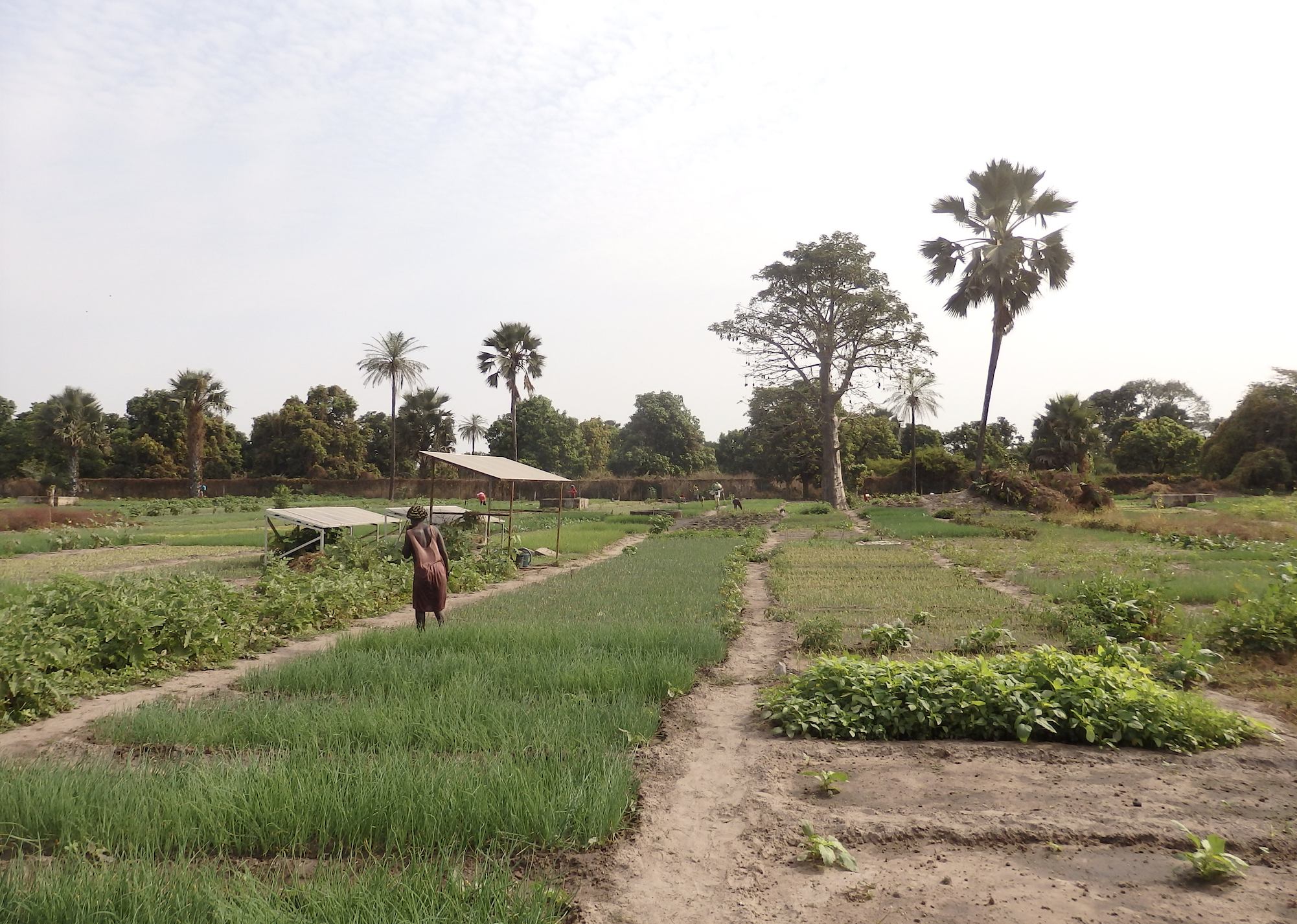
Yet, the country faces mounting challenges. Decades of deforestation, unsustainable agricultural practices, and rural poverty have left both people and land in need of regeneration. The Gambia is now taking bold steps to heal its ecosystems and empower its communities, making it a model for regenerative agriculture and sustainable development.
Geography and Biodiversity
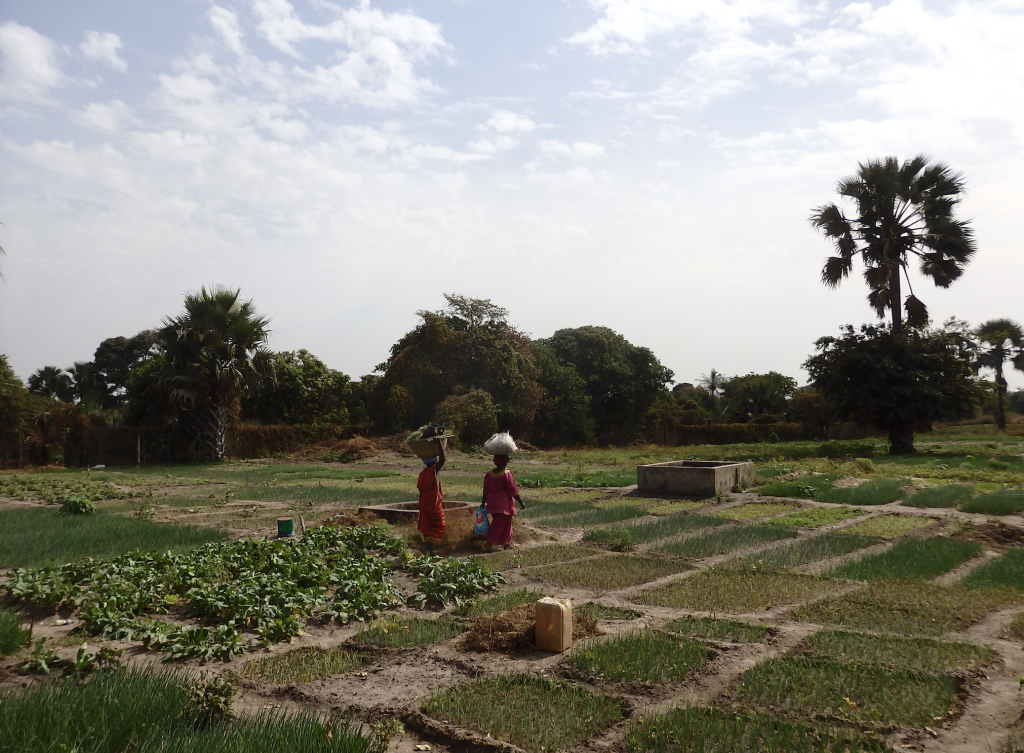
The Gambia is the smallest country on mainland Africa, enveloped on three sides by Senegal and bordered to the west by the Atlantic Ocean. Its 11,000 square kilometers of land encompass diverse ecosystems, including mangroves, wetlands, savannas, and forests. These habitats are home to a wealth of biodiversity, from African manatees in the river to vibrant bird species like the Abyssinian roller.
However, this biodiversity is under threat. Over 50% of the country’s forests have been cleared over the past few decades for timber, agriculture, and development. Mangroves, which protect coastlines and serve as fish nurseries, are also declining due to climate change and land use changes. These losses are particularly concerning in a nation where 75% of the population depends on agriculture and natural resources for their livelihoods.
Challenges Facing The Gambia
Despite its natural wealth, The Gambia faces significant socio-economic and environmental hurdles:
- Deforestation and Land Degradation: Logging for income and the use of chemical inputs have depleted soils and degraded landscapes.
- Food Insecurity: Over 10% of the population experiences chronic food shortages, exacerbated by limited access to sustainable farming techniques.
- Youth Migration: With few opportunities at home, many young Gambians consider selling their ancestral lands to finance risky migration journeys to Europe.
- Climate Vulnerability: Rising temperatures, erratic rainfall, and coastal erosion pose additional challenges for agriculture and rural communities.
These pressures highlight the urgent need for regenerative solutions that address not just ecological decline but also socio-economic vulnerabilities.
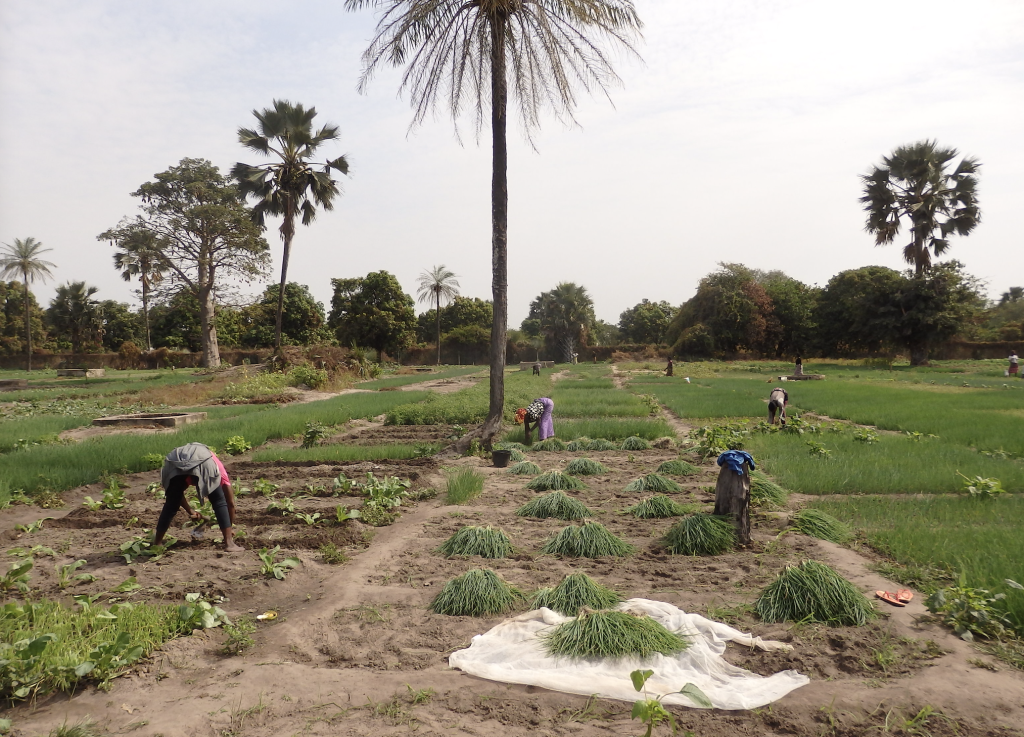
Regenerative Agriculture: A Path to Renewal
Regenerative agriculture offers a lifeline to The Gambia’s rural communities. By integrating techniques such as agroforestry, water conservation, and biodiversity restoration, these practices aim to reverse degradation and build resilience. At the heart of these efforts is the moringa tree, a keystone species known locally as the “never-die tree.” Moringa thrives in degraded soils, improves soil fertility through nitrogen fixation, and provides a highly nutritious food source.
Key Initiatives:
- Reforestation and Agroforestry: Projects are integrating moringa and other native tree species into farming systems, creating biodiverse landscapes that sequester carbon and improve water cycles.
- Capacity Building: Farmers receive training in regenerative practices through participatory workshops, fostering knowledge sharing and community leadership.
- Economic Empowerment: Local cooperatives are establishing processing hubs for moringa-based products like oils and powders, connecting farmers to both domestic and international markets.
Impact Area
The shift to regenerative agriculture has far-reaching benefits for The Gambia:
- Environmental Restoration: Reforestation and agroforestry are restoring degraded land, increasing biodiversity, and improving soil and water health.
- Social Empowerment: Women and youth, often marginalized in traditional systems, are taking leadership roles in regenerative farming initiatives, creating new opportunities for independence and growth.
- Economic Growth: Value-added products like moringa oil and powder are creating sustainable income streams, reducing reliance on extractive industries.
Partnerships Driving Change
The success of these initiatives relies on strong partnerships between local communities and international organizations. In The Gambia, stakeholders like Earth Farm Gambia, reNature, and Terra Genesis International are working closely with tribal leaders, village development committees, and local cooperatives to design and implement regenerative projects. These partnerships ensure that solutions are both culturally relevant and ecologically effective.
A Vision for The Gambia
Looking ahead, The Gambia has the potential to become a global model for regeneration. By combining ancestral wisdom with modern agroforestry practices, the nation is forging a path toward ecological renewal, economic independence, and food sovereignty. The River Gambia, the lifeblood of the nation, may once again flow through thriving forests and vibrant communities, symbolizing hope and resilience for generations to come.
Projects in country
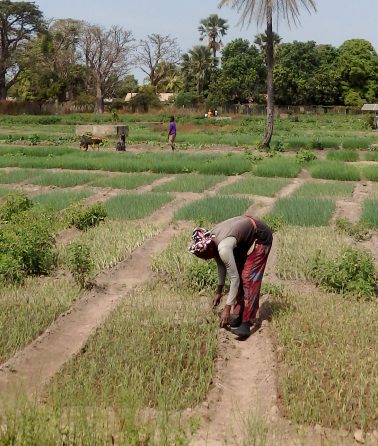
The R-Moringa Project, The Gambia


Partners in country