

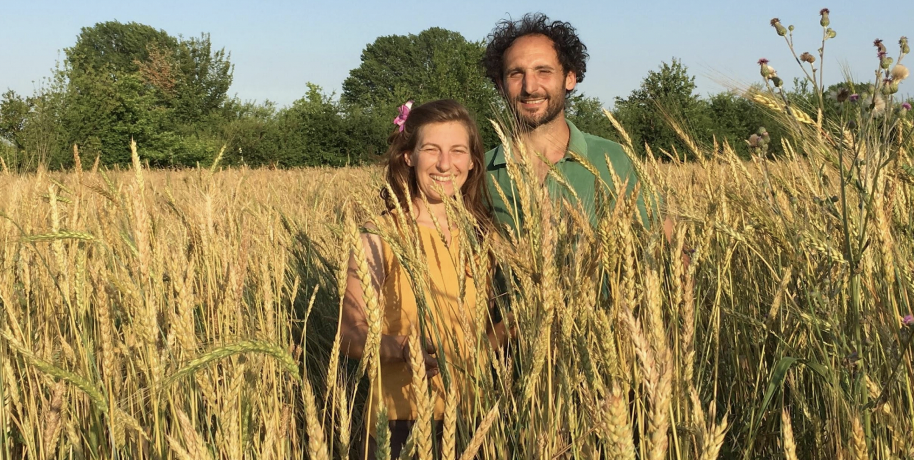
Building a Green Wall, Italy
- DefinitionDevising project idea, defining the aim and main components
- DesignSpecifying details such as time-frame, budget, target indicators, project partners and relevant steps to reach the project objectives
- Open to FinancingSearching and securing funding and investment, setting up relevant financing partnerships, and discussing payment modalities
- ImplementationExecution of feasibility studies, context analysis, plot design, planting and setting up facilities and starting with potential capacity-building
- MaintenanceOperational phase (monitoring and evaluation, impact assessments and adjustments, execution of educational programmes and long-term capacity building)
- Scaling UpScaling up phase is when the project it has already shown success by obtaining impact as well as economic results and it's ready to become replicable.
This initiative is dedicated to establishing a sustainable and regenerative agroforestry model in Veneto, Italy. By blending ecological restoration with economic resilience, this initiative offers a compelling alternative to conventional industrial agriculture. The vision is to create a vibrant, living system that enhances biodiversity, nurtures soil health, and inspires a community driven approach to environmental stewardship.
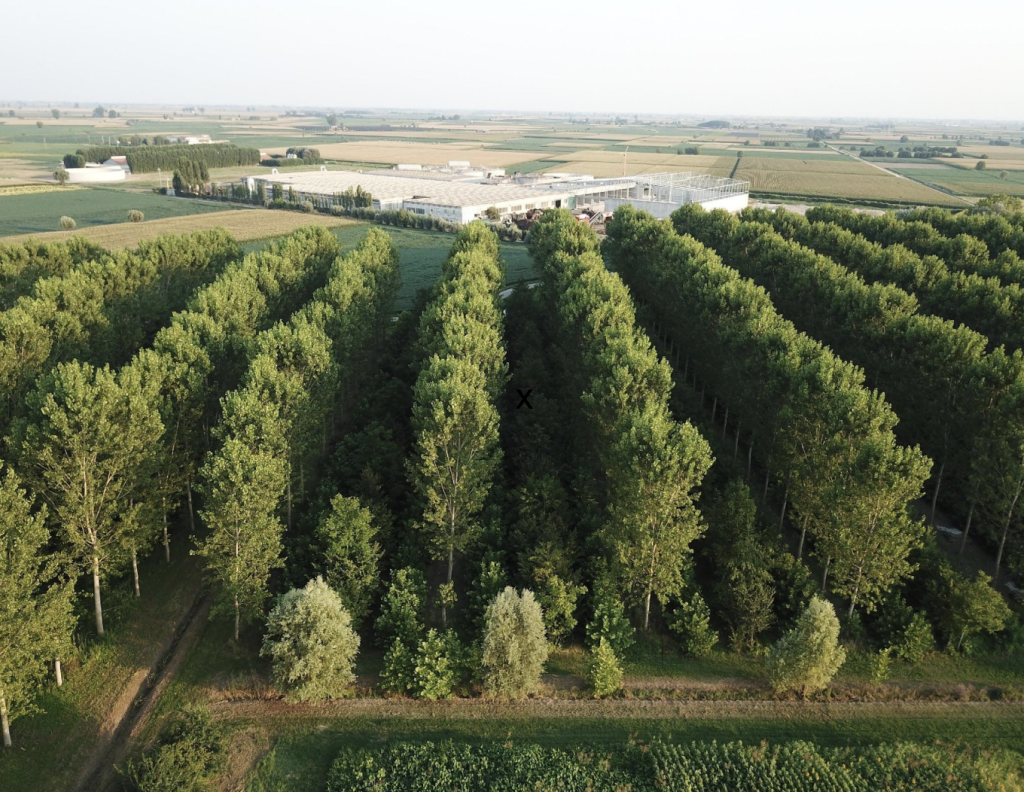
Imitating Nature
Spanning 25 hectares, the farm will be transformed into a diversified agroforestry system that integrates a mix of short, medium, and long term tree species with livestock grazing, cover crops, and vegetable cultivation. This layered design reflects nature’s own regenerative processes, enhancing the stability of ecosystems while reducing the need for external inputs. By weaving together forestry and agriculture, the project creates a self sustaining cycle that benefits both the land and the local economy.
The farm’s economic strategy is rooted in diversification, ensuring resilience by tapping into multiple revenue streams. Firewood production provides an early source of income, while poplar plywood offers medium term returns. Over time, high value hardwoods such as oak and walnut will create sustainable, long term profits.
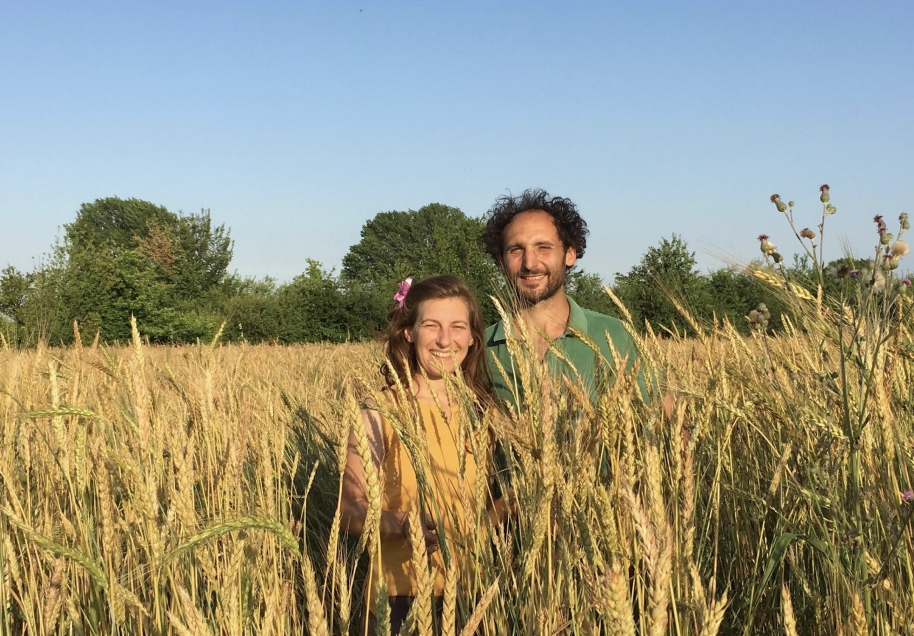
Harmony through a Multi Layered Approach
Environmental restoration lies at the heart of the initiative. The introduction of diverse tree species not only creates habitats for wildlife but also strengthens the farm’s ecological balance. By incorporating hedgerows and wetlands, the project supports pollinators and natural pest control, while practices like organic mulching and the use of cover crops enhance soil fertility, improve water retention, and reduce erosion. These efforts also contribute to carbon sequestration, highlighting the farm’s role in addressing climate change.
Livestock and agriculture are fully integrated into the system, with managed grazing enriching the soil and contributing to the farm’s regenerative cycle. The use of cover crops minimizes the need for synthetic inputs while improving soil structure and fertility, and the inclusion of vegetable cultivation adds another layer of productivity. This multifaceted approach ensures that every element of the farm works in harmony, enhancing both its ecological and economic outcomes.
Community Power
A core aspect of the project is its focus on community engagement and education. By offering agritourism experiences and educational programs, the farm invites the public to explore the principles of regenerative agriculture. Partnerships with local organizations further strengthen ties to the region, creating a shared vision for a sustainable agricultural future. The farm’s role as a demonstration site also allows it to serve as a hub of innovation, showcasing techniques that others can adopt to create thriving, resilient systems.
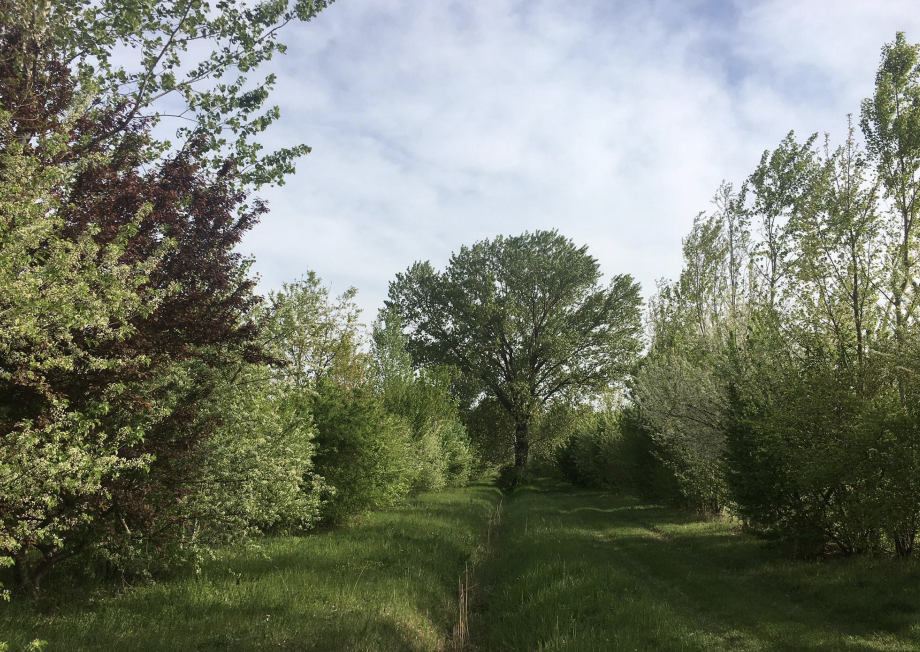
Ultimately, this project is more than just one – it is a model for how agriculture can balance economic success with ecological restoration. By blending agroforestry with community centered activities, the project sets out to redefine the future of sustainable farming. It exemplifies how farms can not only feed communities but also heal the land, inspire environmental stewardship, and build resilience in the face of global agricultural challenges.