


Regenerative Agroforestry for Sustainable Farming, Nepal
- DefinitionDevising project idea, defining the aim and main components
- DesignSpecifying details such as time-frame, budget, target indicators, project partners and relevant steps to reach the project objectives
- Open to FinancingSearching and securing funding and investment, setting up relevant financing partnerships, and discussing payment modalities
- ImplementationExecution of feasibility studies, context analysis, plot design, planting and setting up facilities and starting with potential capacity-building
- MaintenanceOperational phase (monitoring and evaluation, impact assessments and adjustments, execution of educational programmes and long-term capacity building)
- Scaling UpScaling up phase is when the project it has already shown success by obtaining impact as well as economic results and it's ready to become replicable.
The Regenerative Agroforestry for Sustainable Farming (RASFN) in Nepal project seeks to promote regenerative farming practices among smallholder farmers across scattered farms in Nepal. The project will empower farmers to adopt regenerative techniques, improve their livelihoods, and mitigate challenges such as flooding and natural disasters through agroforestry, sustainable agricultural education, and market connections. The project will integrate carbon credits, connect farmers to school canteens and markets, and scale up the existing operations, aiming for widespread adoption of regenerative practices to foster resilience and environmental sustainability.
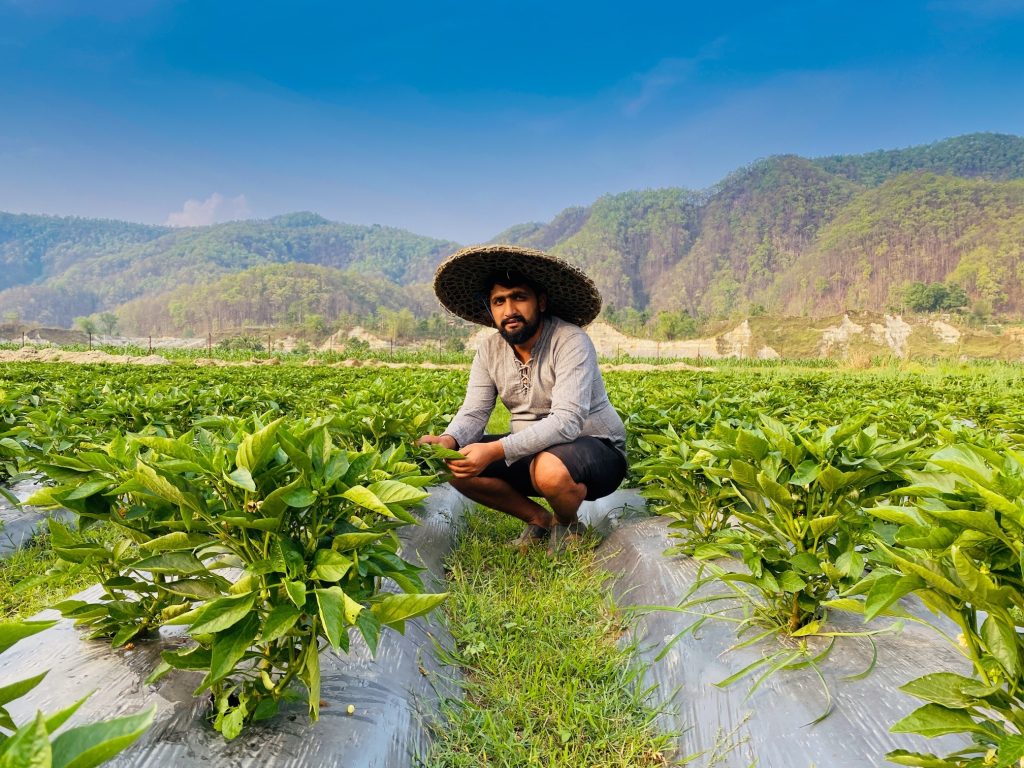
Facing the Challenge: Degraded Lands and Vulnerable Farmers
Nepal’s agricultural sector is heavily impacted by soil degradation, deforestation, and frequent natural disasters. Smallholder farmers, who rely on the land for their livelihoods, are particularly vulnerable, as they often lack the resources needed to adopt sustainable practices. In this challenging environment, many are stuck in cycles of poverty, unable to access larger markets or improve the productivity of their farms.
Creating a Model for Change: Regenerative Agroforestry in Action
At the heart of the RASFN project is a vision to transform farming through agroforestry – a farming method that integrates trees into agricultural landscapes. Agroforestry has the potential to reverse soil degradation, enhance biodiversity, and improve water retention, making it an ideal solution for the environmental challenges faced by Nepalese farmers. By promoting tree planting alongside crops, farmers will not only enhance soil fertility but also protect their land from erosion and flooding.
The project will directly benefit 100 farmers and reach an additional 10,000 through a broader network of educational programs, knowledge sharing, and market connections. Farmers will receive training in agroforestry techniques, such as intercropping and water management, and will be connected to local and international markets to sell their organic produce. By diversifying their farming systems, farmers will have access to multiple income streams, reducing their dependence on vulnerable crops and improving their economic resilience.
Leveraging Carbon Credits for Sustainable Income
One of the most innovative aspects of the RASFN project is its integration of carbon credits into the farming model. Farmers who adopt regenerative practices will be able to participate in carbon credit markets, providing them with an additional income source. By sequestering carbon through agroforestry, farmers will contribute to global efforts to combat climate change while simultaneously improving their economic stability.
With the support of reNature and local experts, the project will explore payment for ecosystem services, enabling farmers to generate revenue by contributing to environmental regeneration. This approach not only incentivizes sustainable farming but also positions Nepalese farmers as key players in the global effort to reduce greenhouse gas emissions.
Building Sustainable Livelihoods: Market Connections and Education
A critical aspect of the RASFN project is its focus on connecting farmers to reliable markets for organic produce. Many smallholder farmers in Nepal struggle to access markets, leaving them vulnerable to price fluctuations and limiting their income potential. RASFN will work with local cooperatives, organic buyers, and school canteens to create stable market connections, ensuring that farmers can sell their produce at a fair price. These connections will not only increase farmers’ incomes but also create a sustainable supply of nutritious, locally grown food for the community.
The partnership with school canteens is particularly impactful, as it provides farmers with a consistent buyer while contributing to the health and nutrition of local students. By supplying organic vegetables, fruits, and other produce to these canteens, farmers will have a secure market for their goods, while schools benefit from high quality, locally sourced food. This connection between farmers and schools strengthens the local food system, supporting both economic and social resilience.
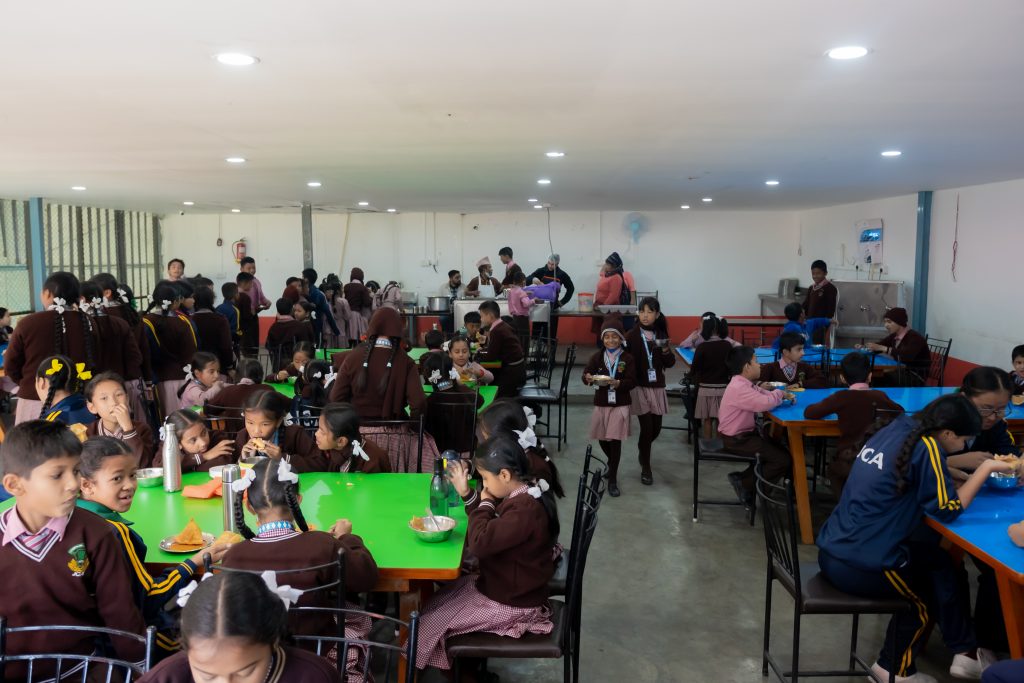
In addition to market access, the project will provide farmers with the education and technical assistance needed to implement regenerative practices successfully. Workshops, training sessions, and hands on experience will help farmers build the skills they need to manage their farms sustainably. This focus on education will have a ripple effect, as trained farmers share their knowledge with others in the community, spreading the benefits of regenerative farming across the region.

Empowering Communities and Building Resilience
Beyond its environmental and economic goals, the RASFN project is dedicated to empowering farmers and fostering social cohesion. By providing farmers with the tools and resources they need to succeed, the project aims to lift entire communities out of poverty and build resilience to future challenges. The inclusion of underserved farmers, particularly women and those from marginalized communities, ensures that the project addresses issues of equity and access.
By positioning farmers as leaders in regenerative agriculture, the RASFN project seeks to inspire long term social and environmental change. As farmers adopt sustainable practices and share their successes, the project will create a model for resilience that can be scaled up across Nepal and beyond.
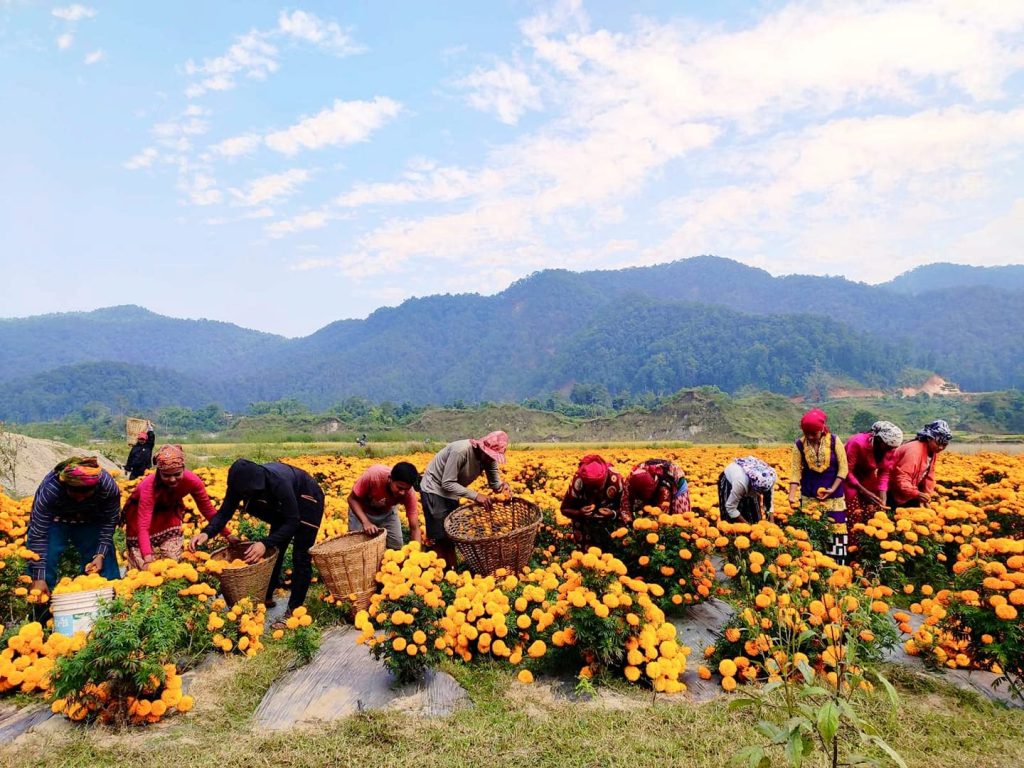
A Vision for the Future: Scaling Impact Across Nepal
The success of the RASFN project will lay the foundation for the widespread adoption of regenerative farming practices across Nepal. As more farmers witness the benefits of agroforestry – improved soil health, increased biodiversity, and higher agricultural yields – there is potential for the project to be replicated across the country.
The project’s long term vision is to expand its impact across thousands of hectares of land, transforming not only the lives of individual farmers but also entire communities. By integrating carbon credits, market access, and education into a comprehensive model for regenerative farming, the RASFN project offers a blueprint for sustainable agricultural development in Nepal.
Conclusion
The Regenerative Agroforestry for Sustainable Farming in Nepal (RASFN) project is poised to transform the agricultural landscape of Nepal by empowering smallholder farmers with regenerative practices that restore the land, improve livelihoods, and build resilience to climate change. Through its focus on agroforestry, market connections, and carbon credits, the project offers a sustainable and scalable solution to the challenges faced by Nepalese farmers. By working with reNature and other partners, RASFN is creating a model for change that will inspire a new generation of farmers to adopt regenerative practices and secure a sustainable future for their communities.


