

West Nusa Tenggara Coffee Project, Indonesia
- DefinitionDevising project idea, defining the aim and main components
- DesignSpecifying details such as time-frame, budget, target indicators, project partners and relevant steps to reach the project objectives
- Open to FinancingSearching and securing funding and investment, setting up relevant financing partnerships, and discussing payment modalities
- ImplementationExecution of feasibility studies, context analysis, plot design, planting and setting up facilities and starting with potential capacity-building
- MaintenanceOperational phase (monitoring and evaluation, impact assessments and adjustments, execution of educational programmes and long-term capacity building)
- Scaling UpScaling up phase is when the project it has already shown success by obtaining impact as well as economic results and it's ready to become replicable.
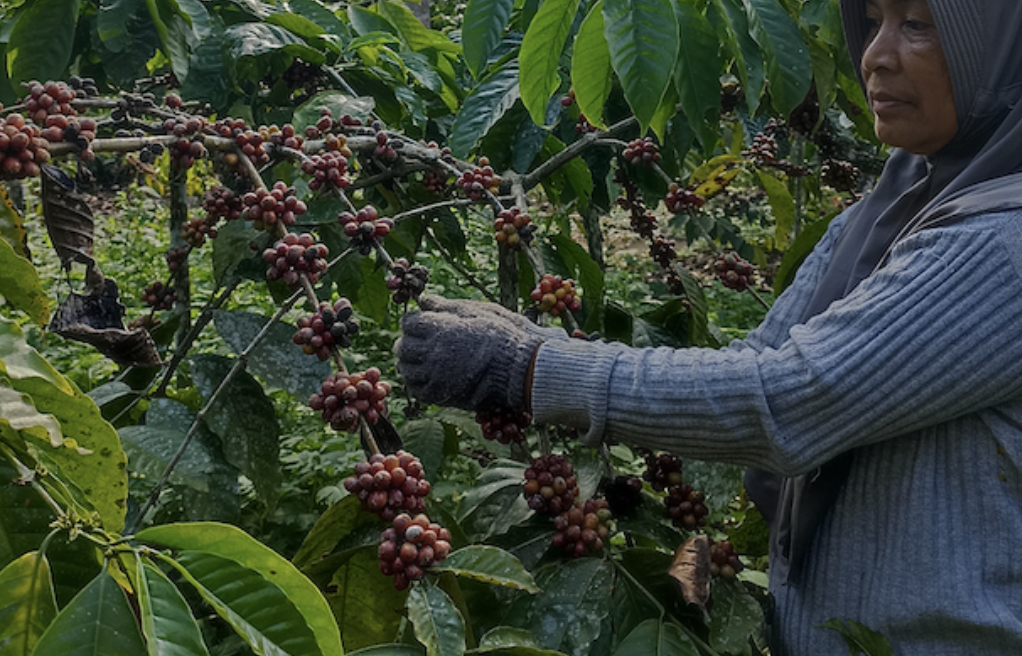
The West Nusa Tenggara Agroforestry project aims to rejuvenate coffee farming practices through sustainable agroforestry, boosting biodiversity and local livelihoods. This large scale farm network covers 10,000 hectares in West Nusa Tenggara, Indonesia, with 5,000 hectares currently used for coffee farming. Through a holistic approach combining agroforestry, supply chain traceability, and local capacity building, the project is set to empower 3,000 farmers, improve their income, and foster environmental resilience.
Creating a Sustainable Coffee Supply Chain
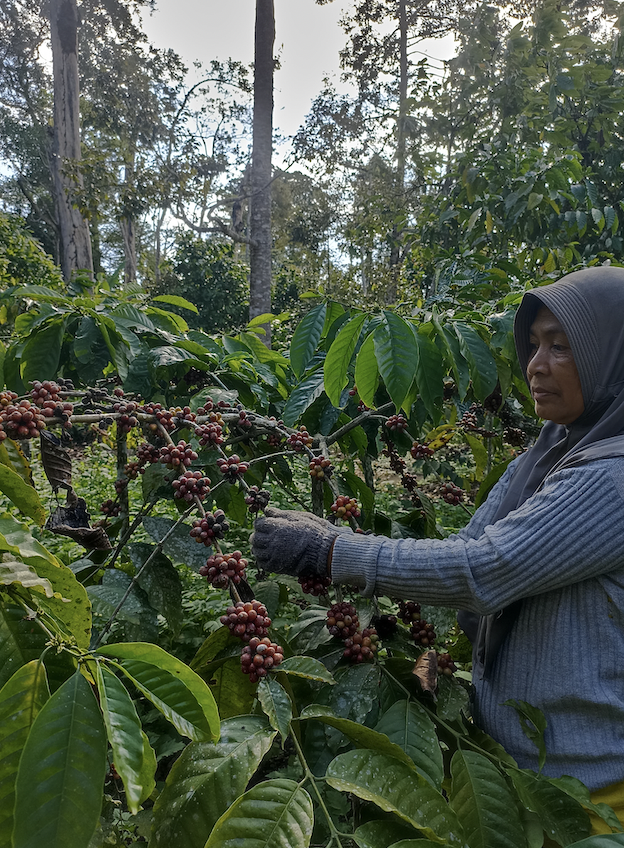
This project centers around creating a regenerative coffee farming model that balances environmental sustainability and economic growth. The project will enhance soil health, improve water retention, and increase biodiversity by planting trees to shelter coffee crops. These techniques will help farmers combat the challenges of soil degradation while improving coffee yields.
At the heart of the initiative is a commitment to building a transparent and traceable supply chain through integrating IoT systems. This technology will monitor coffee production from farm to market, ensuring local farmers can access international markets with higher quality, certified sustainable products. The goal is to connect farmers to stable, long term off taker contracts, creating a reliable income stream for them.
Building Resilience Through Agroforestry
Incorporating agroforestry practices into coffee farming boosts productivity and fosters environmental regeneration. By planting trees, the project will strengthen ecosystem resilience, support wildlife habitats, and contribute to climate change mitigation. The long term goal is to scale this model, inspiring other regions in Indonesia to adopt similar regenerative approaches for coffee and other crops.
The project also seeks to support mangrove conservation efforts and explore integrating blue carbon initiatives, further solidifying its commitment to biodiversity and climate action.
Addressing Development Challenges
Farmers in West Nusa Tenggara face considerable challenges, including poor infrastructure, limited market access, and underdeveloped supply chains. This project will address these barriers by developing infrastructure such as warehouses, providing technical assistance, and offering capacity building programs for farmer cooperatives. By fostering collective action, the project will help smallholder farmers negotiate better prices and access larger markets, improving their profitability.
Boosting Livelihoods Through Market Connections
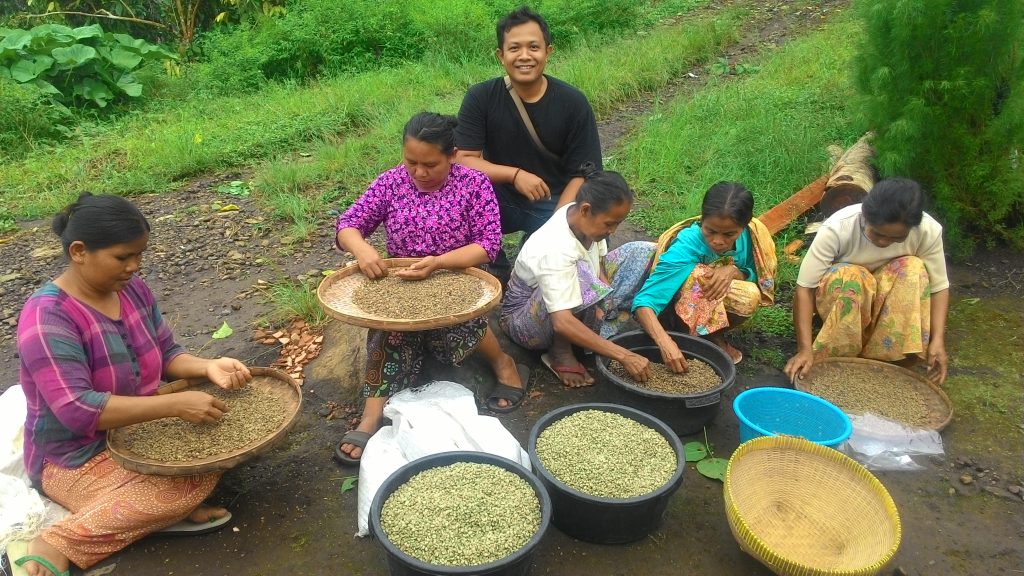
The project will create new economic opportunities by connecting local farmers to domestic and international markets. To diversify farmers’ revenue streams carbon credit opportunities are also being explored. These additional income sources will improve farmers’ resilience and provide economic security.
The project is expected to directly impact 3,000 farmers by improving their infrastructure, farming practices, and market access, ultimately enhancing their livelihoods.
Social and Economic Impact
Strengthening farmer cooperatives will foster community solidarity and empower farmers as key players in the supply chain. The project will ensure inclusive access to resources and market opportunities, addressing issues of gender, class, and mobility that typically restrict access to agricultural advancements. With improved income and access to microfinance, farmers will become more economically resilient, with the potential for long term growth.
The introduction of technology for supply chain traceability will make the coffee farming process more efficient, enabling farmers to meet international demand for sustainable products. This will increase the value of their crops, allowing them to earn higher incomes and reinvest in their farms.
Environmental Impact
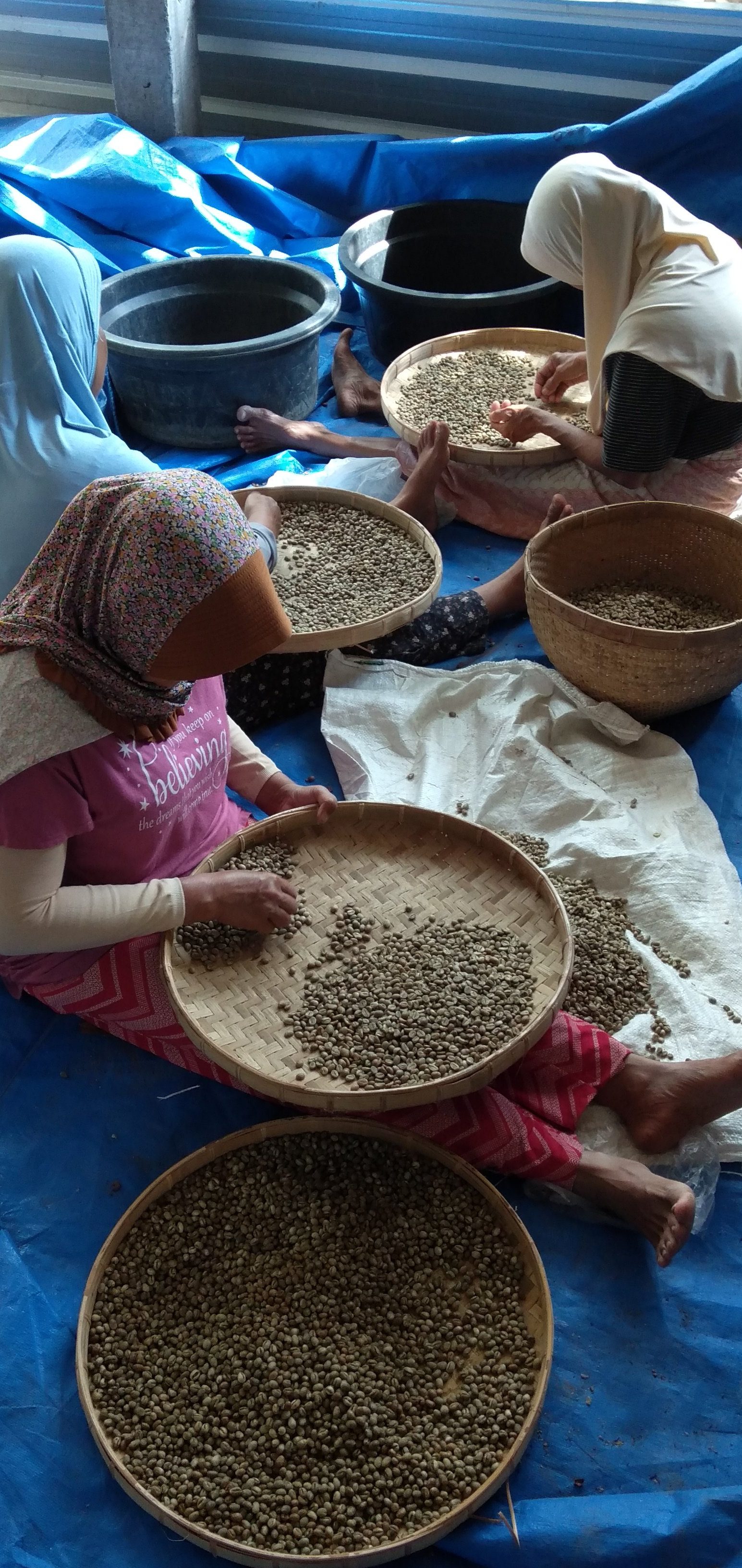
Agroforestry practices, such as tree planting alongside coffee crops, will significantly enhance biodiversity. These efforts will restore soil health, prevent erosion, and improve water retention, ensuring that farming practices are sustainable over the long term. The initiative’s emphasis on carbon sequestration through agroforestry and blue carbon initiatives will contribute to global climate change mitigation efforts.
A Vision for the Future
The West Nusa Tenggara Agroforestry project is poised to serve as a model for sustainable coffee farming across Indonesia. By demonstrating the benefits of combining regenerative agriculture with technological innovations and market connections, this project will inspire other regions to adopt similar practices. Integrating biodiversity conservation with economic development ensures that the project’s impact will extend far beyond coffee farming, creating lasting social, economic, and environmental benefits.
Conclusion
The West Nusa Tenggara Agroforestry project represents Indonesia’s transformative approach to coffee farming. This project will improve livelihoods, restore ecosystems, and create a resilient agricultural model for the future through regenerative agroforestry, supply chain traceability, and farmer empowerment. By connecting farmers to sustainable markets and exploring innovative revenue streams such as ecotourism and carbon credits, the project will contribute to long-term economic growth and environmental sustainability.