

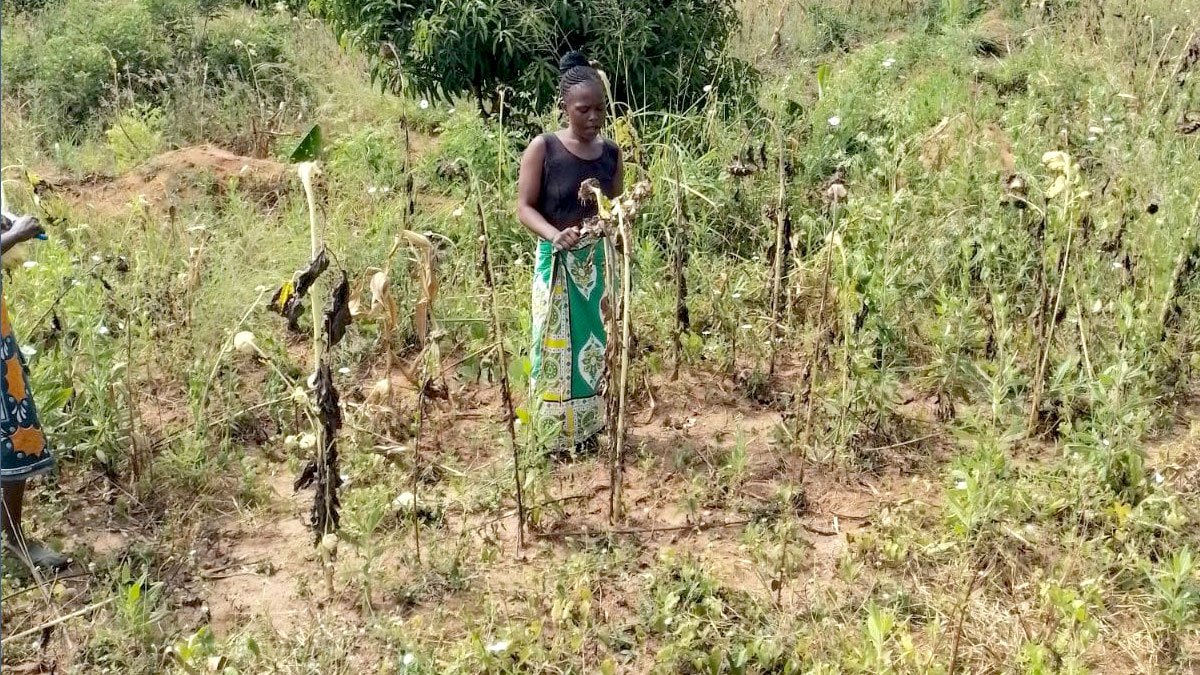
Sunflowers
Sunflowers (Helianthus annuus) are more than just a visual delight with their bright yellow petals and towering presence. This resilient plant has been a staple in agriculture for centuries, offering diverse applications that range from food production to environmental sustainability.
Nutritional Powerhouse and Economic Asset
Sunflowers are widely cultivated for their seeds, yield sunflower oil—a product known for its heart-healthy properties. Rich in unsaturated fats and low in cholesterol, sunflower oil is a popular choice for cooking and a vital ingredient in many processed foods. The seeds are a nutritious snack, high in protein, fiber, and essential vitamins. Beyond human consumption, sunflower by-products serve as a high-protein feed for livestock, making the crop economically valuable across multiple sectors.
Enhancing Soil Health and Biodiversity
Sunflowers are crucial to regenerative agriculture because they positively impact soil health. Their deep root systems break up compacted soil layers, improve water infiltration, and enhance nutrient cycling. Sunflowers also play a role in phytoremediation, removing toxins and heavy metals from contaminated soils, making them ideal for rehabilitating degraded lands.
Moreover, sunflowers contribute to biodiversity by attracting pollinators like bees, butterflies, and birds. Integrating sunflowers into agroforestry or polyculture systems naturally enhances biodiversity, reducing the need for chemical inputs.
Climate Resilience and Adaptability
In an era of climate change, sunflowers stand out for their resilience. They are drought-tolerant and can thrive in semi-arid regions with minimal water. Their ability to grow in various climates, coupled with a short growing cycle, makes them an ideal crop for regions facing water scarcity and unpredictable weather patterns.
Ideal for Sustainable Farming Systems
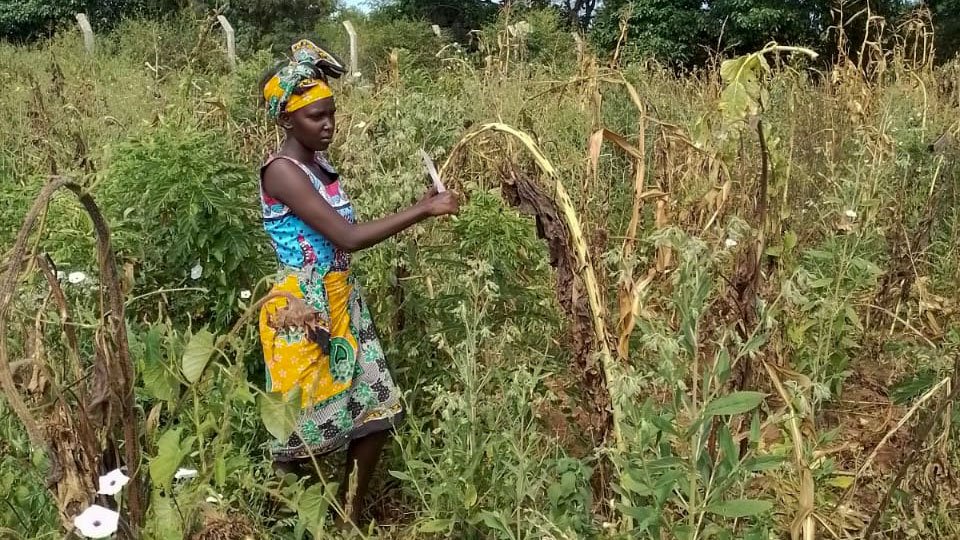
Sunflowers are an excellent choice for agroforestry and intercropping systems. Their tall stature and broad leaves suppress weed growth, while their roots improve soil structure and fertility. Sunflowers can be intercropped with various other plants, enhancing overall farm productivity and sustainability.
Empowering Smallholder Farmers
Sunflowers are a valuable crop for smallholder farmers due to their high market demand and low input costs. They provide multiple income streams, from oil production to seed sales, making them economically viable.
At reNature, we work with smallholder farmers to integrate sunflowers into regenerative agriculture systems. By promoting sunflower cultivation, we help farmers diversify their income, increase yields, and improve long-term land productivity.
reNature’s Global Initiatives
reNature is involved in several global projects that incorporate sunflowers into sustainable farming practices. For instance, the Wami River agroforestry initiative in Tanzania uses sunflowers alongside moringa to restore degraded lands and boost the local economy. In Kitui, Kenya, sunflowers are supporting community development by enhancing agricultural systems and providing income opportunities.
These projects showcase the sunflower’s potential to contribute to both environmental regeneration and economic development, solidifying its role as a key crop in the future of sustainable agriculture.
Projects in commodity
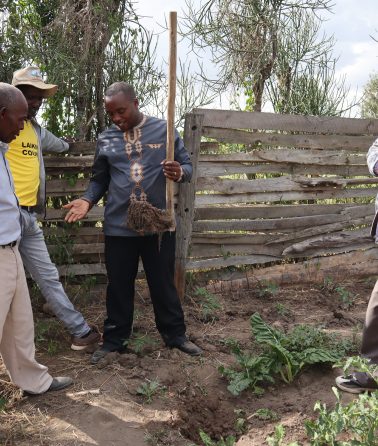
Fostering Resilience and Sustainability in Laikipia


Human Development International, Kitui, Kenya
