Human Development International, Kitui, Kenya
- DefinitionDevising project idea, defining the aim and main components
- DesignSpecifying details such as time-frame, budget, target indicators, project partners and relevant steps to reach the project objectives
- Open to FinancingSearching and securing funding and investment, setting up relevant financing partnerships, and discussing payment modalities
- ImplementationExecution of feasibility studies, context analysis, plot design, planting and setting up facilities and starting with potential capacity-building
- MaintenanceOperational phase (monitoring and evaluation, impact assessments and adjustments, execution of educational programmes and long-term capacity building)
- Scaling UpScaling up phase is when the project it has already shown success by obtaining impact as well as economic results and it's ready to become replicable.
The project aims to future-proof sunflower farming in Kitui, Kenya, by transitioning to regenerative agricultural practices. This initiative, led by Human Development International (HDI), focuses on creating a sustainable sunflower value chain by developing five model farms to act as centers of excellence for training and local knowledge sharing. Farmers will receive training in regenerative techniques, improving soil health, biodiversity, and economic resilience. The project seeks to establish long-term sustainability for the farmers and enhance the community’s overall well-being, targeting 500 farmers directly and benefiting an additional 50,000 community members indirectly.
The project will directly benefit 500 farmers, while 5,000 family members will benefit indirectly. In addition, around 50,000 people in the surrounding communities will benefit from regenerative practices introduced through the ten hubs of knowledge sharing.
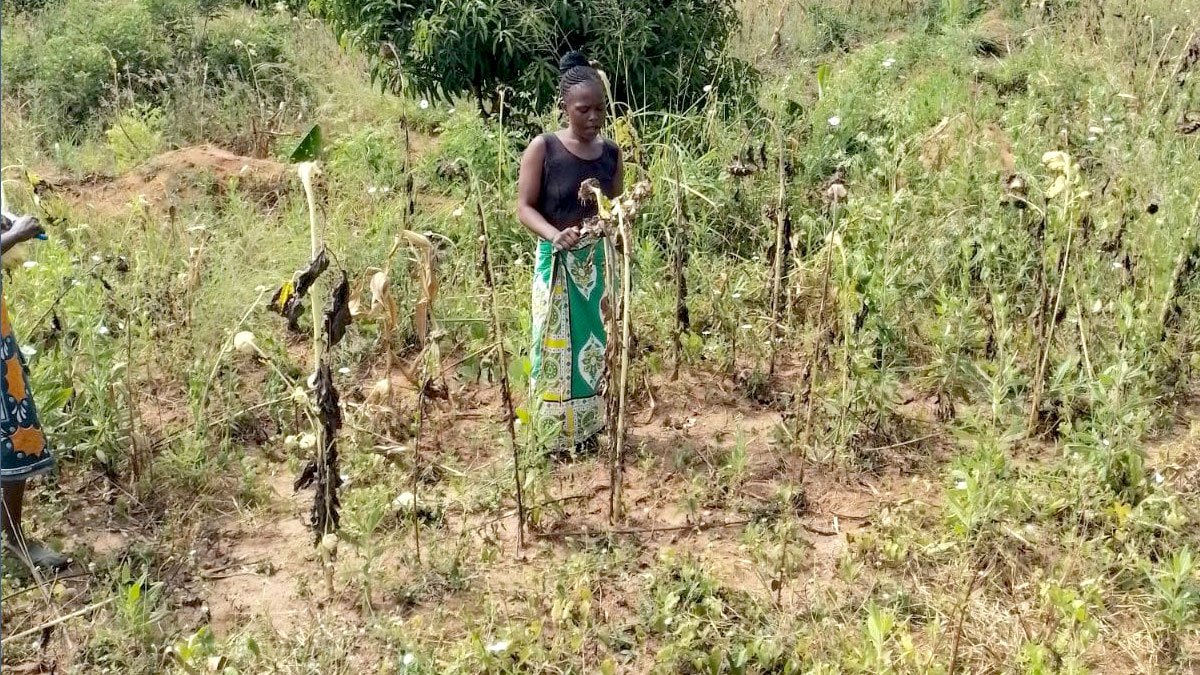
Kitui County faces critical challenges related to land degradation, biodiversity loss, and unsustainable agricultural practices, threatening the environment and farmers’ economic well-being. Smallholder farmers, especially youth and women, are highly dependent on monoculture and chemical inputs, leading to reduced soil fertility, high costs, and vulnerability to climate change. Economic opportunities for rural youth are scarce, further exacerbating the cycle of poverty. The project aims to address these challenges by transitioning sunflower farming to regenerative practices, improving soil health, reducing input costs, and creating sustainable livelihoods for rural farmers.
Five Regional Centers To Boost Farmer Incomes And Improve Soil Health
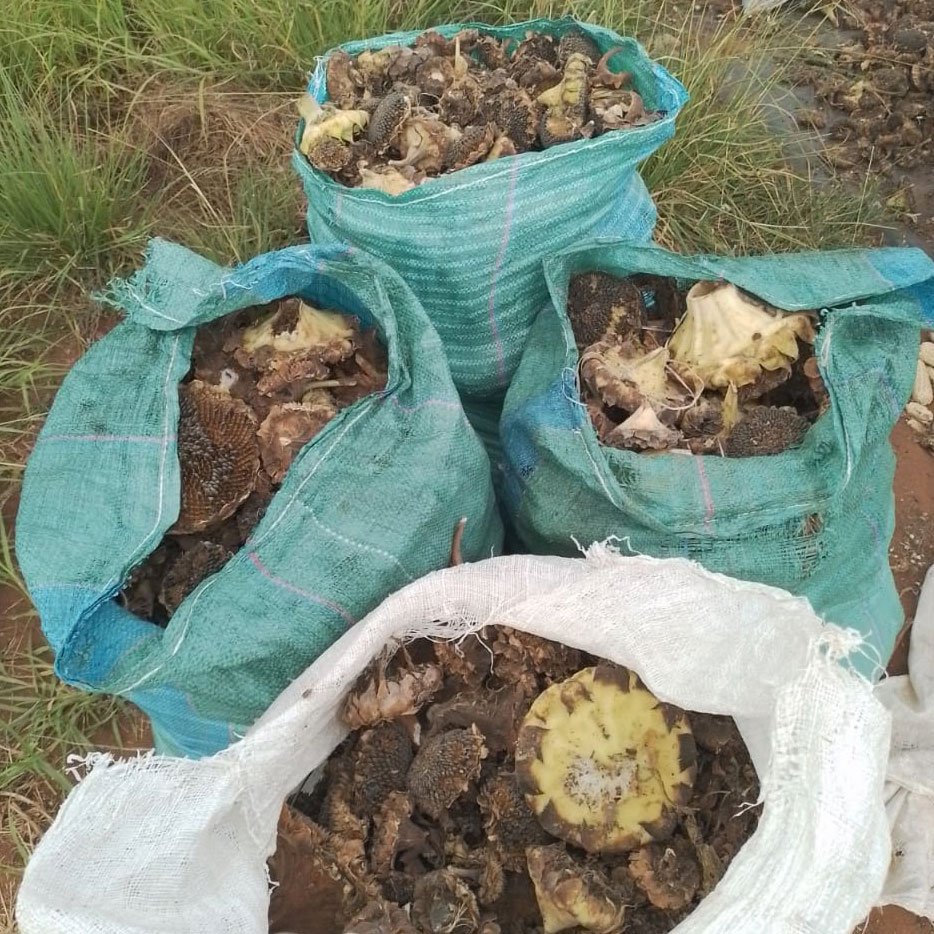
The project will establish five regional centers of excellence, serving as model farms demonstrating regenerative agricultural techniques. Farmers will be trained in soil regeneration, agroecology, and other sustainable farming practices. Sunflowers will be grown using regenerative methods, reducing the use of pesticides and synthetic fertilizers while improving biodiversity and soil health. These practices will boost farmers’ incomes by selling sunflower oil, produced locally by Span Sunflower Company Ltd., and using sunflower cake as livestock feed. The project will also promote youth engagement in agriculture and improve the community’s economic resilience.
Emphasis On Youth And Women’s Involvement
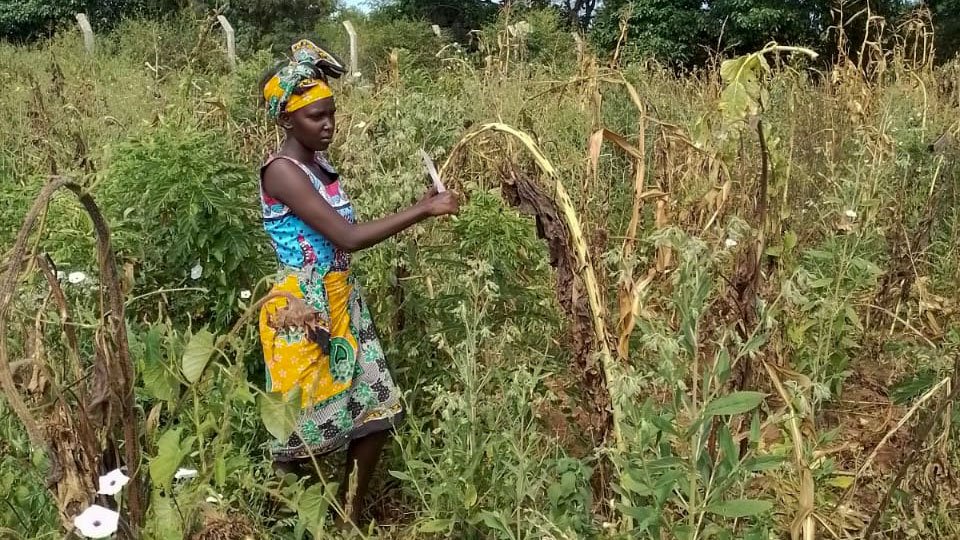
This project aims to inspire a new generation of farmers in Kitui by demonstrating the potential of regenerative agriculture to create sustainable livelihoods. By establishing model farms, the project will provide a platform for knowledge-sharing, equipping local farmers with the skills needed to adopt sustainable practices. The emphasis on youth and women’s involvement will help to create more inclusive and resilient farming communities. As regenerative agriculture improves soil health, biodiversity, and farm productivity, the project will serve as a blueprint for other regions, driving long-term change in rural agricultural practices across Kenya.
Promoting Biodiversity And Improving Soil Health
The project will reduce synthetic fertilizers and pesticides by transitioning to regenerative farming methods, promoting biodiversity and improving soil health. Under regenerative practices, sunflower farming will enhance water retention, reduce soil erosion, and increase biomass production, contributing to carbon sequestration and climate resilience. Pollinators, essential for sunflower production, will thrive in the more biodiverse ecosystems created by these practices. Overall, the project will regenerate degraded lands, helping farmers adopt more environmentally friendly and sustainable practices that benefit both the environment and their livelihoods.
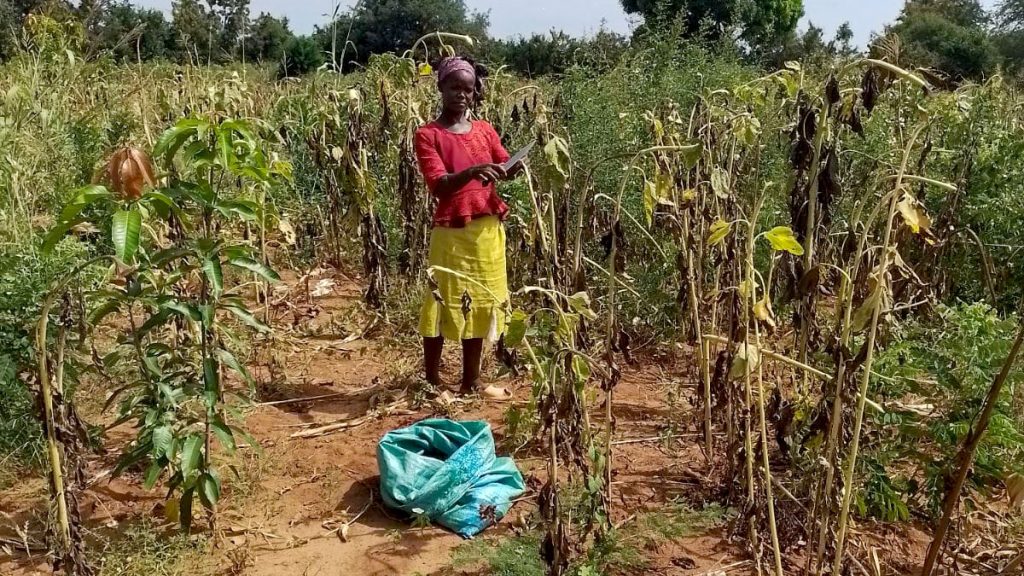
Women Empowerment In Kenya
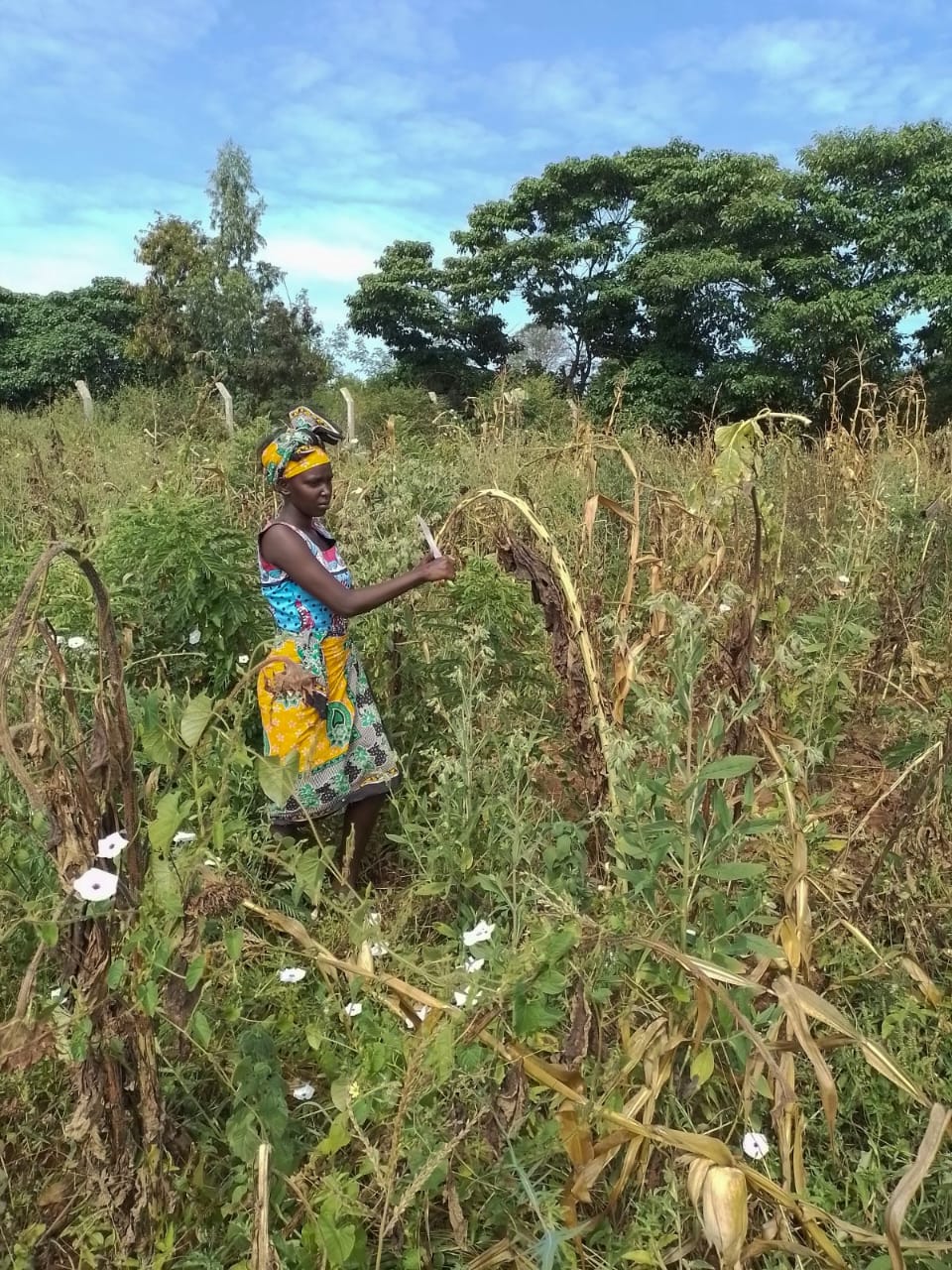
The project focuses on engaging youth and women in agriculture, providing training and support for them to adopt regenerative farming practices. By improving farmers’ incomes through local and regional sunflower oil and livestock feed markets, the project will reduce poverty and create economic opportunities for vulnerable groups. Women, who account for about 70% of rural farmers in Kitui, will significantly benefit from this project. The model farms will function as community learning hubs, allowing farmers to access training, support, and resources to improve their farming techniques and overall well-being.
Providing Farmers With The Tools To Reduce Chemical Inputs
The project will improve farmers’ short- and long-term incomes by enhancing sunflower yield and quality through regenerative practices. The locally processed sunflower oil and sunflower cake used as livestock feed will create additional revenue streams for farmers, making them more economically resilient. The circular nature of the project, in which sunflower cake feeds into HDI’s poultry farming project, will further strengthen the value chain. This economic model provides farmers with the tools to thrive long-term, reducing their dependence on chemical inputs and increasing the sustainability of their farming operations.