Rwanda
Rwanda’s economy has undergone significant growth and transformation over the past few decades, emerging as a notable success story in Africa. Since the early 2000s, the country has sustained robust economic growth, with annual GDP growth rates often exceeding 7%. This impressive performance is attributed to political stability, effective governance, and comprehensive economic reforms. The economy has diversified from being predominantly agricultural to including services and industry, though agriculture still employs a large portion of the population.
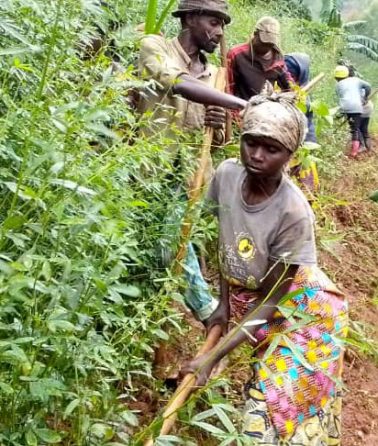
Agriculture remains a vital sector, contributing around 30% of GDP and employing about 70% of the workforce. Major agricultural products include coffee, tea, and pyrethrum. In recent years, the services sector, particularly tourism and financial services, has become a significant contributor to the economy. Kigali, the capital, has been positioned as a regional hub for conferences and tourism. The industrial sector includes construction, mining, and manufacturing, with the government promoting value addition in agriculture and minerals.
Rwanda faces challenges such as poverty and inequality. About 38% of the population still lives below the national poverty line. Being landlocked imposes higher transportation costs and dependency on neighboring countries’ infrastructure and stability. While Rwanda still relies on international aid, it has been reducing this dependency through improved domestic revenue collection.
Looking to the future, Rwanda aims to become a regional technology hub by investing in ICT infrastructure and education. The focus on sustainable development practices ensures environmental conservation while pursuing economic growth.
70%
of people farming
400,000
working in coffee
30%
GDP from agriculture
Projects in country