

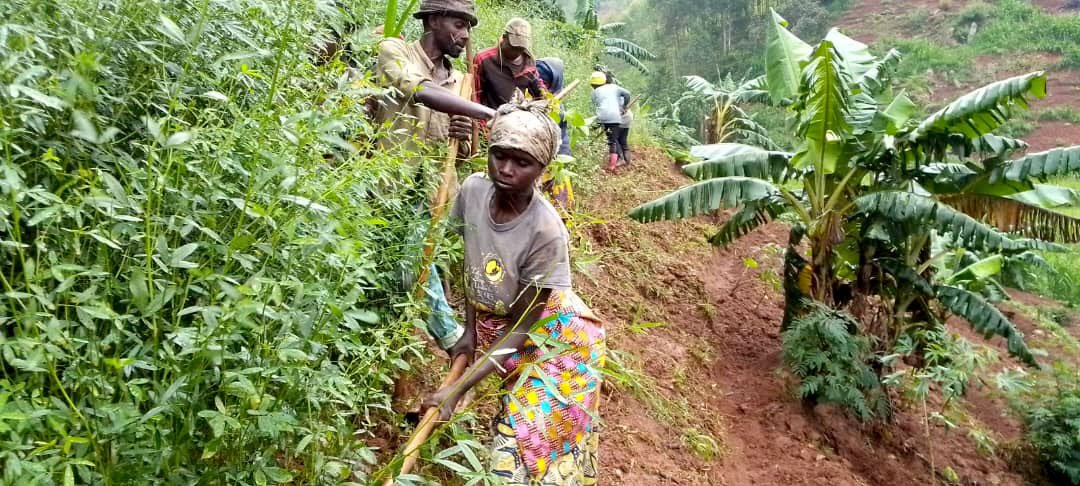
IF4RI, Rwanda
- DefinitionDevising project idea, defining the aim and main components
- DesignSpecifying details such as time-frame, budget, target indicators, project partners and relevant steps to reach the project objectives
- Open to FinancingSearching and securing funding and investment, setting up relevant financing partnerships, and discussing payment modalities
- ImplementationExecution of feasibility studies, context analysis, plot design, planting and setting up facilities and starting with potential capacity-building
- MaintenanceOperational phase (monitoring and evaluation, impact assessments and adjustments, execution of educational programmes and long-term capacity building)
- Scaling UpScaling up phase is when the project it has already shown success by obtaining impact as well as economic results and it's ready to become replicable.
The full title should be: Integrated Farming for Soil Regeneration and Income (IF4RI) in the Southern Province, Muhanga district, of Rwanda
Have you ever wondered how a small farming community can transform its fortunes through sustainable agriculture? This project aims to establish a sustainable model farm focusing on avocados and fodder for dairy cattle on 12 hectares of land owned by 12 households, including Janvier Afrika’s family. Located in a region plagued by poor soil quality, soil erosion, and poverty, the initiative seeks to transform agricultural practices and enhance the community’s economic well-being.
By providing training in regenerative agriculture and promoting the international sale of avocados, the project will boost incomes, create jobs, and support vulnerable groups such as women, youth, and the elderly. Additionally, the model farm will serve as a center for knowledge exchange, helping local farmers improve their productivity and environmental stewardship. This innovative approach addresses immediate challenges and sets a precedent for sustainable agricultural development in the region. Your support can help us achieve these transformative goals and build a resilient community.
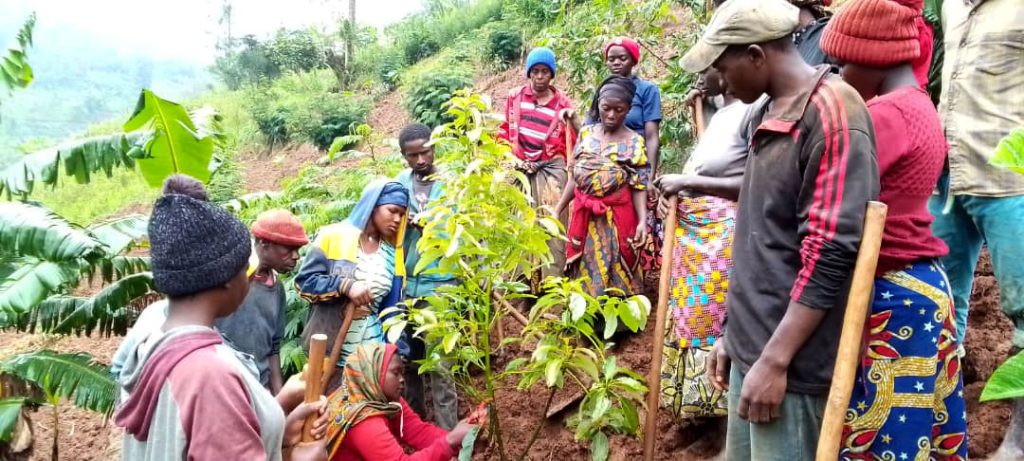
Number of Expected Beneficiaries
The project is designed to benefit a significant portion of the local community. Direct beneficiaries include 12 households. Additionally, 60 more households, approximately 240 people, will receive training and free seedlings of avocado, fodder, and support species. The broader community, about 200 people, will benefit indirectly through training sessions and site visits to the model farm.
Development Challenges
The region faces several critical challenges, including poor soil quality and erosion, leading to declining agricultural productivity. Poverty is prevalent, with many households living below the poverty line and relying on subsistence farming. Furthermore, there are limited economic opportunities, especially for vulnerable groups such as women, youth, and the elderly.
Interventions
To address these challenges, the project will implement a range of interventions. A model farm will be created, focusing on avocados and fodder for dairy cattle. A training center will be developed to provide the community with knowledge of regenerative agriculture and soil regeneration techniques. Economic empowerment will be promoted by facilitating the sale of avocados internationally and other crops locally to improve household incomes. The project will also create jobs, particularly targeting vulnerable groups, with at least 70% of jobs allocated to women. A tree nursery will also be established to provide trees for local farmers, enhancing soil and environmental health.
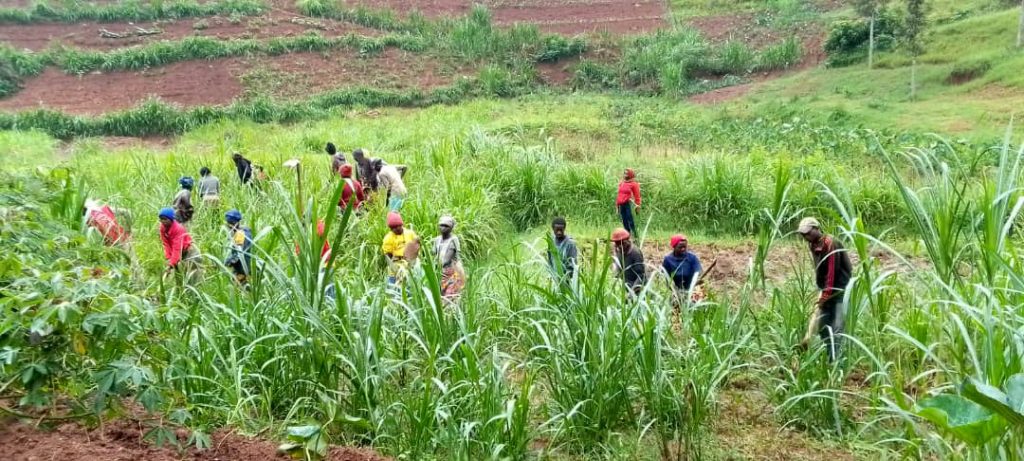
Objective
The primary objective of the project is to create a sustainable model farm that improves soil health, increases agricultural productivity, and enhances the economic well-being of the community. By focusing on regenerative agricultural practices and providing targeted support to vulnerable populations, the project aims to create a replicable model that can be scaled to benefit the wider region.
Expected Impact
The project is expected to have several significant impacts:
Social Impact
The project will facilitate the sharing of regenerative agriculture techniques within the community. It will also enhance the economic conditions of households through the production of commercial commodities like avocados and milk. It will also support vulnerable groups by creating employment opportunities for women, youth, and the elderly.
Economic Impact
The project will create ten permanent jobs and 30 seasonal jobs. It will boost farmers’ income through the international sale of avocados and local sales of other crops. Additionally, better-quality fodder will improve milk production efficiency and reduce costs.
Environmental Impact
The project will enhance soil quality and fertility, increasing land productivity. Measures such as ditches and soil coverage will reduce soil erosion. Biomass production will increase, leading to greater carbon storage and higher organic matter in the soil. Due to increased biodiversity and improved soil health, the agricultural system will become more resilient to climate change. Furthermore, more dairy cows will provide more manure to fertilize crops, reducing the need for chemical fertilizers.
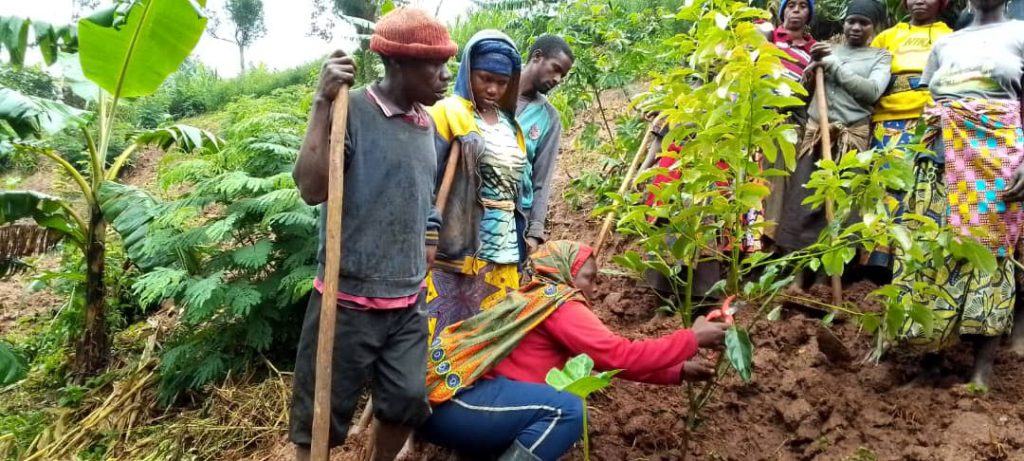
How Can reNature Help?
reNature can assist by providing expertise in designing the model farm and offering technical assistance for implementing regenerative agriculture practices. Financial support in the form of a loan or grant is also needed to develop the model farm and associated training center.
How can You Help?
Join us in transforming the Rwanda agricultural landscape and improving the livelihoods of the community. Your support can help us create a sustainable model farm that enhances soil health, boosts agrarian productivity, and provides economic opportunities for vulnerable groups. By contributing to this project, you invest in a future where regenerative agriculture empowers local farmers, combats poverty, and promotes environmental resilience.
- Donate: Your financial support will directly contribute to the development of the model farm, procurement of high-milk-producing cows, market research, and essential training programs for farmers.
- Partner with Us: Collaborate by providing technical expertise, market connections, or additional resources to help us achieve our goals.
- Spread the Word: Share our mission with your network to raise awareness and attract more supporters to our cause.


