A Regenerative Cotton Initiative: Banikoara, Benin
- DefinitionDevising project idea, defining the aim and main components
- DesignSpecifying details such as time-frame, budget, target indicators, project partners and relevant steps to reach the project objectives
- Open to FinancingSearching and securing funding and investment, setting up relevant financing partnerships, and discussing payment modalities
- ImplementationExecution of feasibility studies, context analysis, plot design, planting and setting up facilities and starting with potential capacity-building
- MaintenanceOperational phase (monitoring and evaluation, impact assessments and adjustments, execution of educational programmes and long-term capacity building)
- Scaling UpScaling up phase is when the project it has already shown success by obtaining impact as well as economic results and it's ready to become replicable.
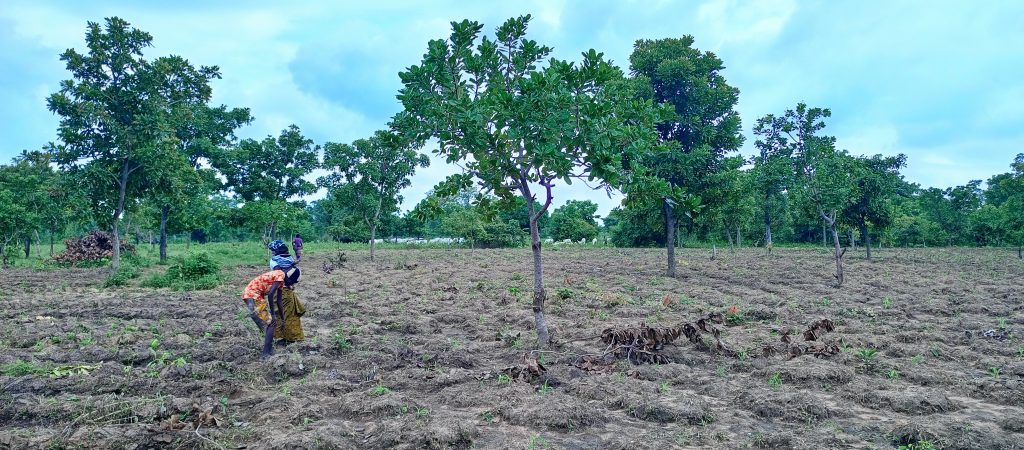
The Regenerative Cotton Initiative in Banikoara, Benin, is setting a new standard for sustainable cotton farming. Through regenerative agriculture and strategic reforestation across 100 hectares of cotton fields, this project aims to breathe life back into degraded landscapes, promote biodiversity, and improve the livelihoods of local farmers.
Creating a Regenerative Agriculture Model
This initiative seeks to shift conventional cotton farming towards a regenerative model, balancing environmental recovery with economic growth. By planting forest patches within cotton fields, the project aims to boost soil health, enhance water retention, and foster biodiversity. These practices are designed to combat soil degradation and make agriculture more resilient against climate and market challenges.
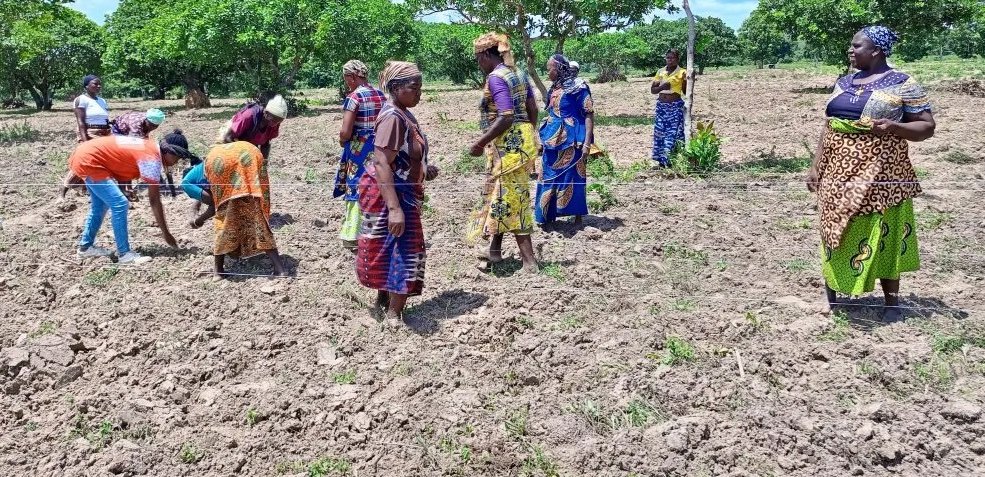
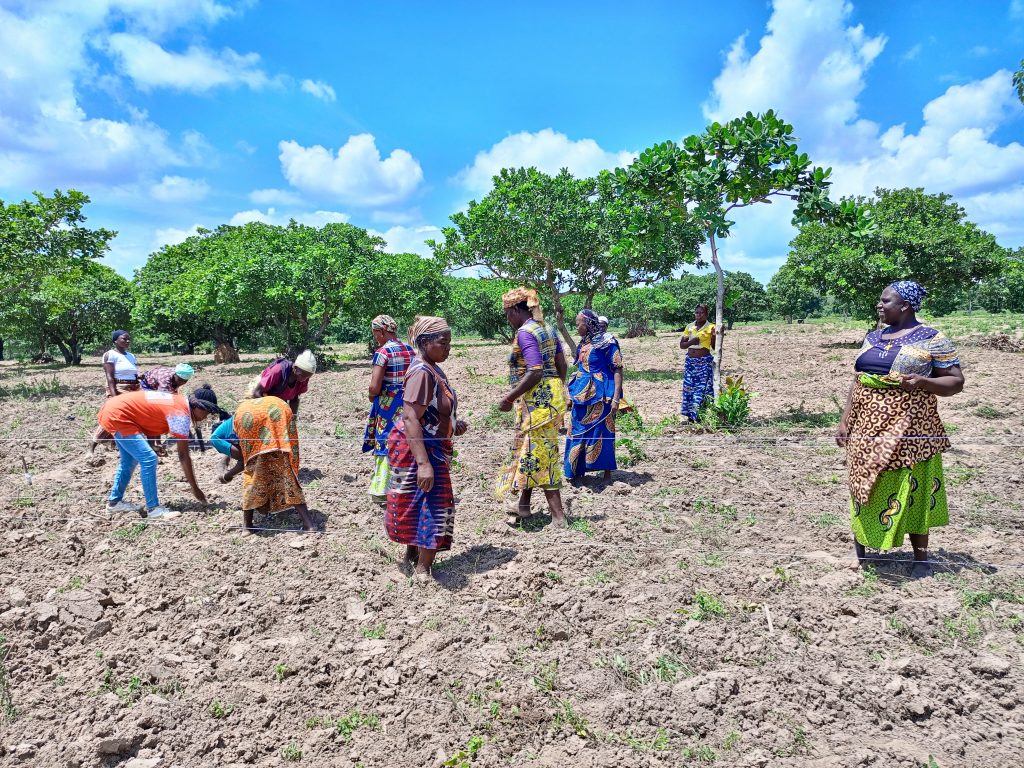
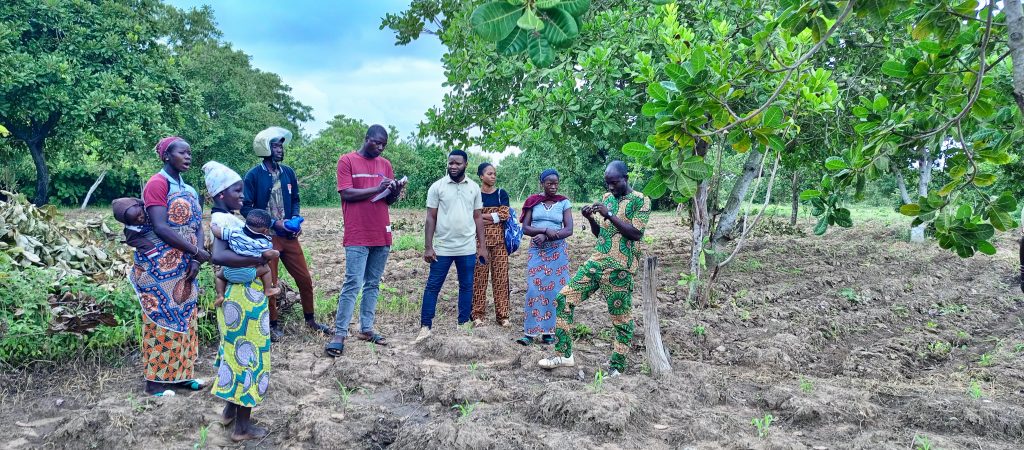
At the core of this transformation is a commitment to training 10 local farmers in regenerative techniques, including tree planting and crop diversification. By cultivating cotton sustainably, these farmers will be equipped to maintain a stable income while contributing to a healthier ecosystem.
Restoring Landscapes and Boosting Biodiversity
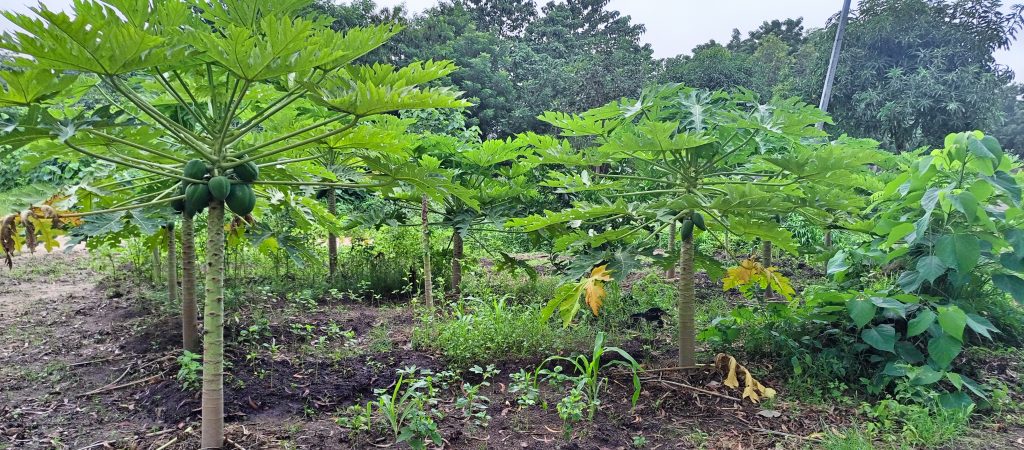
By blending reforestation with cotton farming, this initiative envisions a productive yet ecologically balanced landscape. The project’s tree-planting efforts will strengthen soil and water resources, providing a ripple effect that benefits both the environment and farming productivity. By restoring degraded land, creating wildlife habitats, and enhancing climate resilience, this project builds an ecosystem where agriculture and nature thrive together.
The long-term vision is to develop a scalable model for regenerative cotton farming in Benin, sparking inspiration for similar projects across the region.
Addressing Development Challenges
Farmers in Banikoara face considerable challenges, from deteriorating soil to limited access to stable markets. The Regenerative Cotton Initiative tackles these issues head-on, promoting diversified farming systems that offer alternative income sources, such as forestry, alongside cotton production. The initiative also supports farmers with targeted training, empowering them with skills and knowledge to improve their practices and sustain their livelihoods.
Boosting Livelihoods and Connecting to Markets
By providing the farmers with the skills and support they need to improve their income through sustainable practices, farmers can create additional income streams, making them more resilient to external shocks and market volatility.
This initiative will also focus on strengthening local market connections, ensuring that farmers can continue growing cotton while exploring new income opportunities from forestry.
Social and Economic Impact
By involving 10 farmers in this regenerative agriculture program, the project will foster community cohesion and empower farmers to become stewards of the land. Through sustainable practices, farmers will improve their income, gain access to microfinance, and have the opportunity for long term growth and development.
Environmental Impact
The reforestation component of this project plays a crucial role in healing the landscape. Tree planting within cotton fields will reduce soil degradation, improve water retention, and contribute to overall ecosystem health. The project’s agroforestry approach further supports biodiversity and strengthens the environment’s resilience to climate change.
The Regenerative Cotton Initiative is more than just a farming project; it is a model for a sustainable future. By combining reforestation with forward-thinking agricultural practices, this initiative offers a blueprint for environmental and economic growth that other regions can follow. This transformative approach to cotton farming is set to rejuvenate landscapes, empower farmers, and build a resilient, sustainable agricultural model for generations to come.