

Africa Farmer’s Frontline
- DefinitionDevising project idea, defining the aim and main components
- DesignSpecifying details such as time-frame, budget, target indicators, project partners and relevant steps to reach the project objectives
- Open to FinancingSearching and securing funding and investment, setting up relevant financing partnerships, and discussing payment modalities
- ImplementationExecution of feasibility studies, context analysis, plot design, planting and setting up facilities and starting with potential capacity-building
- MaintenanceOperational phase (monitoring and evaluation, impact assessments and adjustments, execution of educational programmes and long-term capacity building)
- Scaling UpScaling up phase is when the project it has already shown success by obtaining impact as well as economic results and it's ready to become replicable.
Africa Farmer’s Frontline (AFF) is a youth-led initiative working with smallholder farmers, women, and refugees in Kiryandongo District. The project aims to establish a 5-hectare regenerative agriculture demonstration farm that showcases agroforestry, organic crop production, mushroom cultivation, and beekeeping.
The demonstration farm will function as a training and innovation hub, helping farmers transition away from soil-degrading monocropping toward diversified regenerative systems. By combining trees, crops, and value-added products, the project promotes resilient farming practices that improve food security, biodiversity, and farmer livelihoods.
Beyond production, the initiative aims to strengthen farmer knowledge, market access, and cooperative marketing, allowing smallholders to increase bargaining power and stabilize incomes.
With strong social engagement and community leadership, Africa Farmer’s Frontline intends to build a scalable model farm for regenerative agriculture in Uganda, demonstrating how climate-smart farming can restore ecosystems while creating economic opportunity.
Why is soil degradation threatening local farmers?
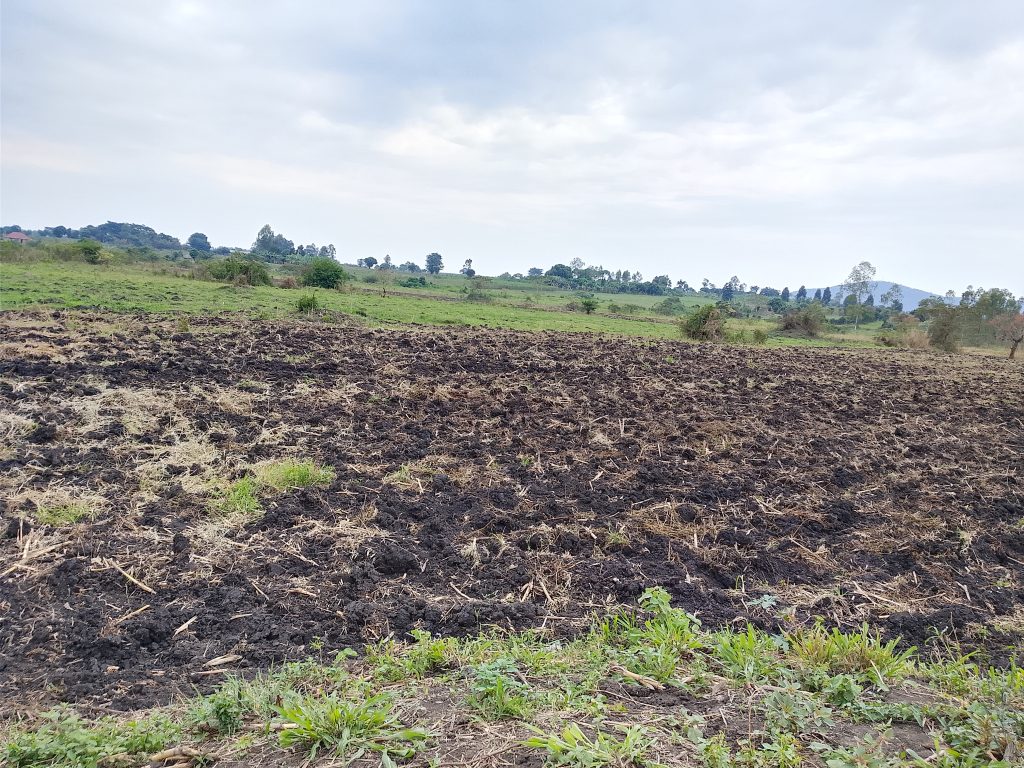
In many parts of Uganda, maize monocropping and deforestation have significantly degraded soil fertility. Farmers often rely on chemical inputs to maintain yields, but these practices gradually weaken soil structure, reduce biodiversity, and increase production costs.
In Kiryandongo District, these challenges are compounded by rural poverty and youth unemployment, which limit farmers’ ability to invest in sustainable practices. Many smallholder farmers have little access to training, modern regenerative techniques, or diversified income opportunities.
The consequences are clear: declining yields, unstable incomes, and landscapes that become increasingly vulnerable to drought and climate shocks. Without alternatives, farmers often continue unsustainable practices simply to survive economically.
Restoring soil health and ecosystem resilience is therefore essential—not only for the environment, but also for food security, community resilience, and long-term economic stability. Farmers need practical examples that demonstrate how regenerative systems can work in their local context.
How can regenerative farming transform this community?
Africa Farmer’s Frontline addresses these challenges by establishing a regenerative agriculture demonstration farm that integrates agroforestry, organic crop production, mushroom cultivation, and beekeeping.
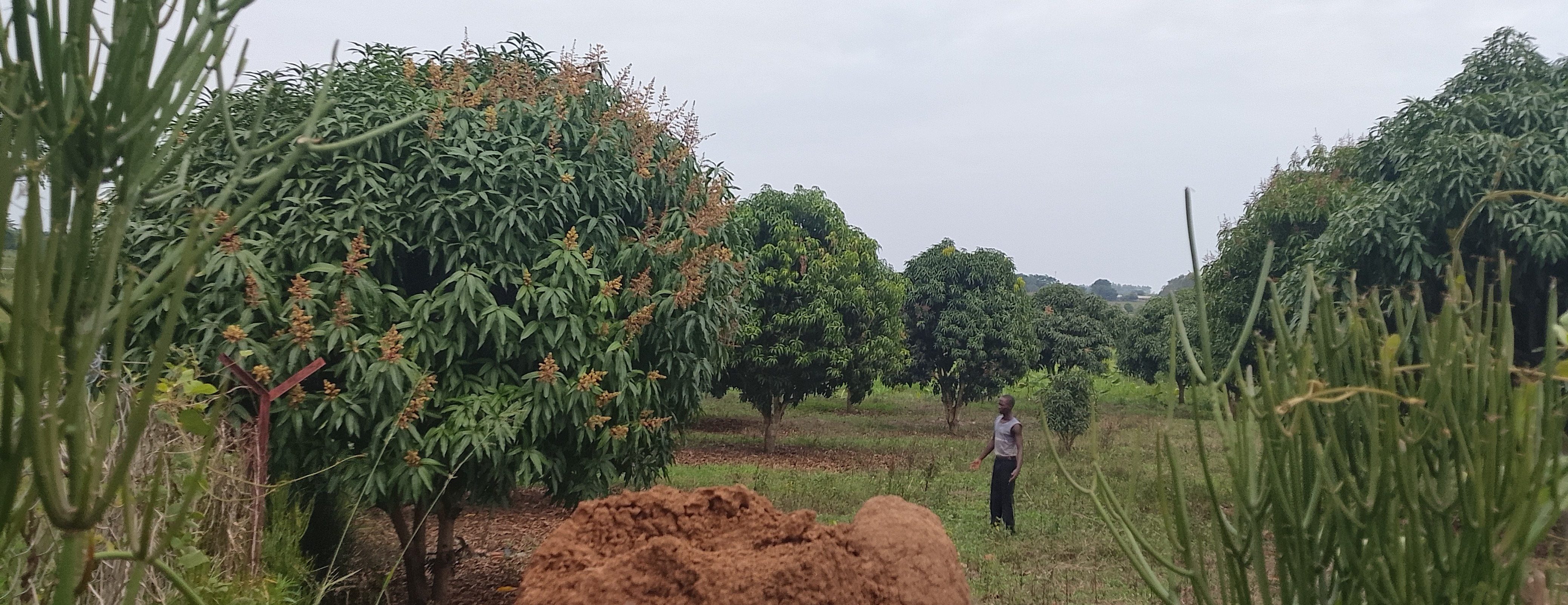
The farm will serve as a hands-on learning center, where more than 50 farmers can receive training in soil restoration, tree integration, organic farming practices, and sustainable value chains. Agroforestry systems will combine maize with fruit trees such as avocado, mango, and jackfruit, creating productive landscapes that improve soil fertility while generating multiple income streams.
In addition to crops, the project includes mushroom production and honey harvesting, both of which provide high-value products that require limited land. These enterprises diversify farmer income while strengthening ecological functions such as pollination.
By demonstrating practical regenerative techniques and building farmer capacity, the project aims to create a replicable model that can expand across the wider farming community.
Can regenerative agriculture restore soil and biodiversity?
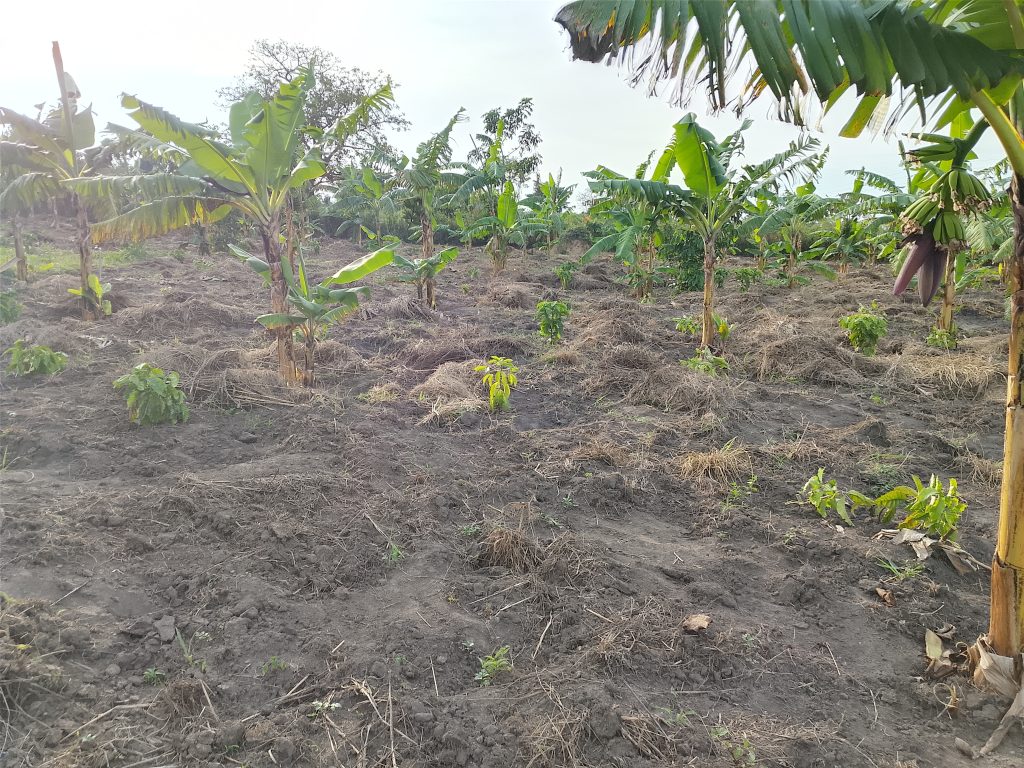
Yes. The project’s agroforestry approach is designed to regenerate soils and rebuild ecological health across the farm landscape.
Trees integrated with crops improve soil structure, increase organic matter, and enhance water retention. Their roots stabilize the soil while their canopy creates microclimates that protect crops from heat stress. At the same time, organic farming practices reduce chemical dependency and help restore beneficial soil microorganisms.
The presence of diverse tree species and flowering plants also creates habitats for pollinators and beneficial insects, increasing biodiversity while supporting crop productivity.
Together, these practices contribute to carbon sequestration, healthier soils, and more resilient agricultural ecosystems.
How does the project empower farmers and communities?
The Africa Farmer’s Frontline initiative places community empowerment at its core.
By training youth, women, and refugee farmers in regenerative agriculture, the project creates opportunities for skill development and local leadership. Farmers gain practical knowledge that they can apply directly to their own fields, allowing them to improve yields while reducing dependency on expensive chemical inputs.
The demonstration farm also encourages collaboration among farmers, strengthening social networks and cooperative learning. As farmers adopt regenerative practices, the benefits extend beyond individual plots, contributing to improved food security and environmental stewardship across the region.
In a community facing limited employment opportunities, the project offers a pathway for youth engagement in sustainable agribusiness.
Can diversified farming increase farmer incomes?
Diversification is central to the project’s economic strategy. Instead of relying solely on maize production, the farm integrates fruit trees, honey production, and mushroom cultivation, creating multiple revenue streams throughout the year.
These products are sold in local markets in Kigumba and nearby towns. In the future, the initiative aims to develop value-added products within their crop yields. Such products can reach regional markets while increasing profit margins.
Through cooperative marketing and training in value chains, farmers can strengthen their bargaining power and reduce post-harvest losses. Over time, this approach is expected to increase household incomes while improving financial resilience for participating farmers.