

Aloe Secundiflora Value Chain & Landscape Restoration Project
- DefinitionDevising project idea, defining the aim and main components
- DesignSpecifying details such as time-frame, budget, target indicators, project partners and relevant steps to reach the project objectives
- Open to FinancingSearching and securing funding and investment, setting up relevant financing partnerships, and discussing payment modalities
- ImplementationExecution of feasibility studies, context analysis, plot design, planting and setting up facilities and starting with potential capacity-building
- MaintenanceOperational phase (monitoring and evaluation, impact assessments and adjustments, execution of educational programmes and long-term capacity building)
- Scaling UpScaling up phase is when the project it has already shown success by obtaining impact as well as economic results and it's ready to become replicable.
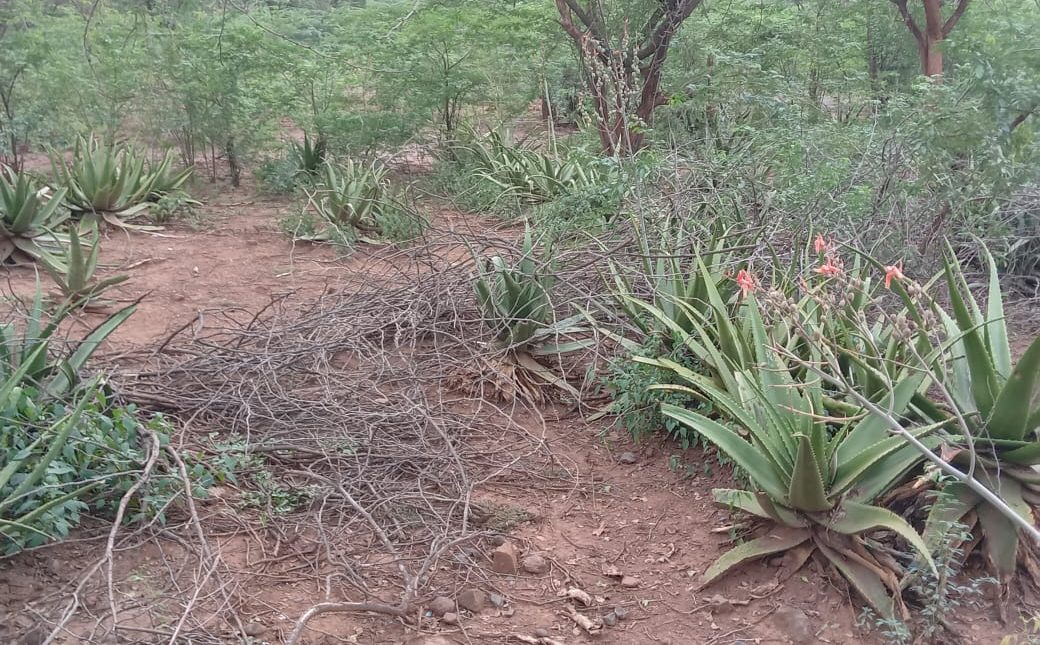
The Aloe Secundiflora Value Chain & Landscape Restoration Project empowers the Endorois Indigenous community in Baringo County to regenerate degraded landscapes while building resilient local economies. Across an initial 5-hectare Model Farm, the project is set to establish aloe nurseries and agroforestry systems.
In a region heavily affected by climate change, land degradation, and poverty, this initiative provides a nature-based solution that integrates aloe cultivation with honey production, cereals, pulses, and livestock systems. By combining restoration with enterprise development, the project reduces pressure on forests, strengthens biodiversity, and creates dignified income opportunities for youth and women.
Why Is Baringo’s Landscape Under Pressure?
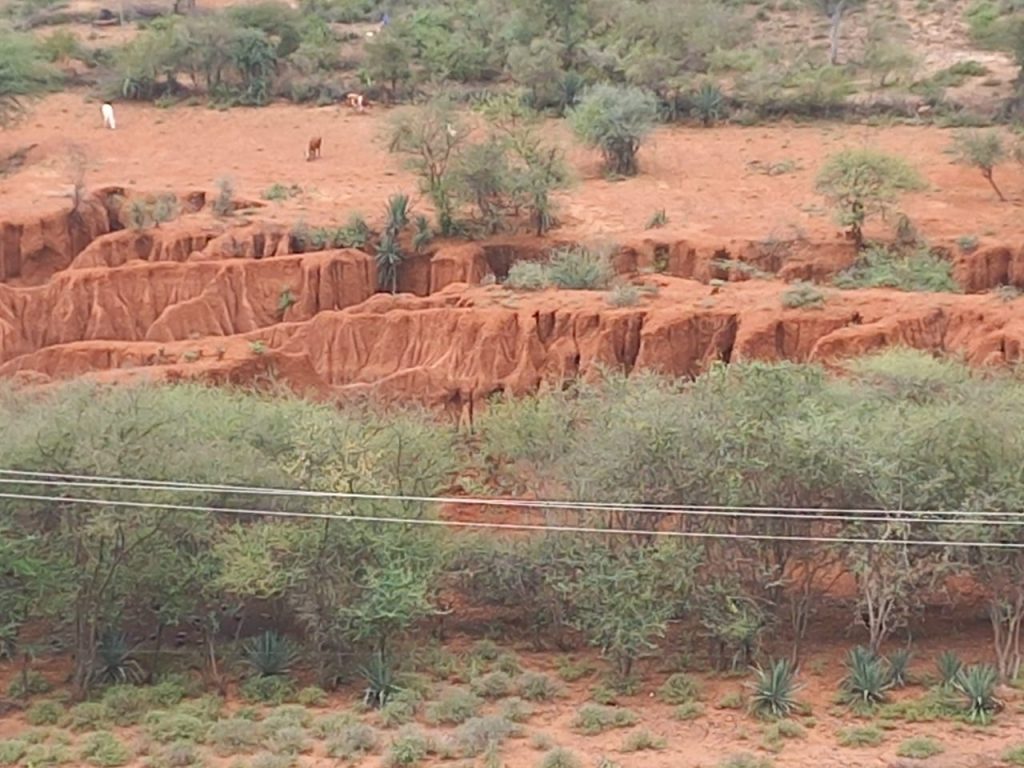
Baringo County faces escalating environmental and social challenges. Climate change has disrupted rainfall patterns and reduced water availability, directly threatening livestock, the primary livelihood in the region. Communities are increasingly relying on charcoal burning, firewood sales, and unsustainable harvesting of timber wood. This cycle of poverty and environmental degradation has led to severe land erosion, diminishing the forest resources. At the same time, aloe populations are under threat from indiscriminate harvesting.
Without regenerative alternatives, both ecosystems and livelihoods will continue to deteriorate. A system change is urgently needed, one that restores the land while generating stable, climate-resilient income streams.
How Can Aloe Restore Land and Livelihoods?
The project introduces a regenerative agroforestry model centered around Aloe secundiflora, transforming it from a threatened wild resource into a cultivated driver of restoration and income. Through nursery establishment, structured farm planting, and farmer group organization, communities shift from unsustainable harvesting to planned production systems that protect natural aloe populations.
The 5-hectare Model Farm will serve as a practical demonstration site, designed for replication across 500 hectares and scalable to thousands of farmers. Aloe will be intercropped with cereals and pulses to improve food security, maintain permanent soil cover, and enhance soil fertility. Integrated beekeeping will increase pollination and honey yields. This integrated system can strengthen ecosystems while building diversified, climate-resilient livelihoods.
How Will Communities Benefit Socially?
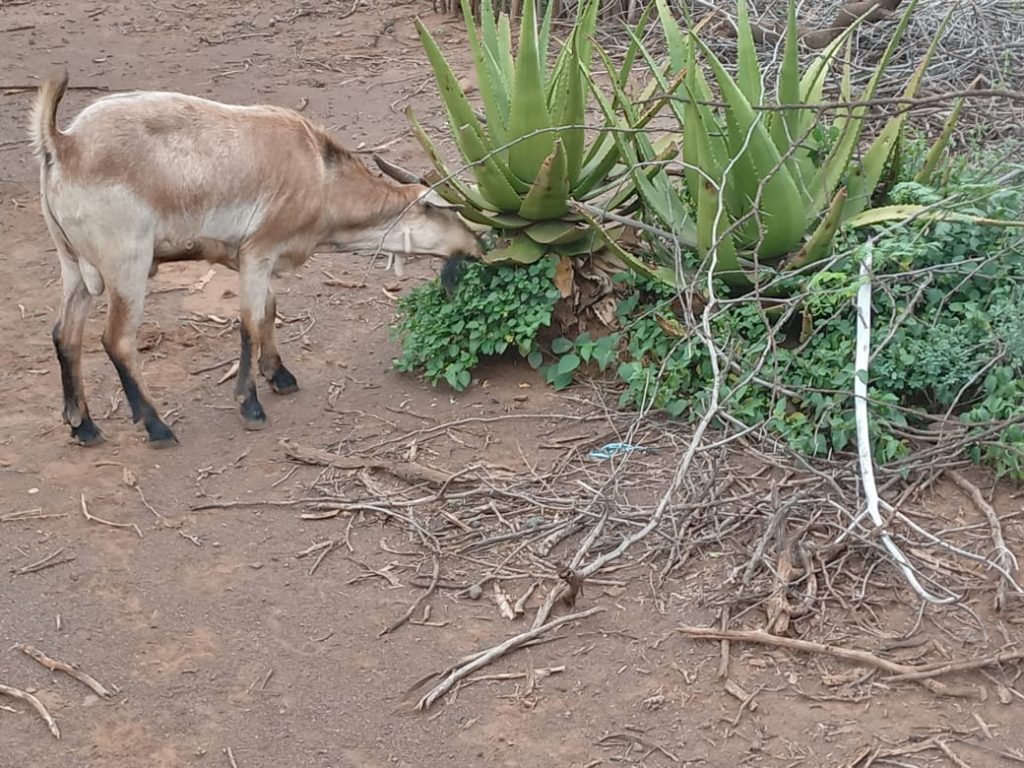
For generations, communities in Baringo County have relied on the surrounding landscapes for food, medicine, grazing, and income. As environmental pressures increase, many households face growing uncertainty around livelihoods and natural resource availability. This project supports locally led efforts to restore degraded land while strengthening community resilience and economic opportunity.
By organizing farmer groups, expanding access to aloe cultivation, and supporting regenerative farming practices, the initiative creates opportunities for knowledge sharing, local entrepreneurship, and more stable incomes. Around 2,000 people are expected to benefit directly, with an additional 1,000 indirectly benefiting through healthier ecosystems and increased local economic activity. The project also supports women and youth through participation in aloe production, honey processing, and value chain development. By building on Indigenous knowledge and land stewardship practices, the initiative strengthens community connections to the landscape while creating pathways for long-term resilience and self-determined development.
A Regenerative Future Rooted in Indigenous Stewardship
The Aloe Secundiflora Value Chain & Landscape Restoration Project demonstrates how Indigenous leadership and regenerative agriculture can work hand in hand. By transforming aloe from a threatened wild resource into a cultivated engine of restoration and prosperity, the Endorois community is building a resilient future.
With reNature’s technical support and facilitation of grant funding for nursery establishment and system design, this initiative has the potential to restore hundreds of hectares, create dignified livelihoods, and establish a scalable model for landscape regeneration across Kenya’s drylands.