

Coffee Agroforestry Expansion – Central Aceh
- DefinitionDevising project idea, defining the aim and main components
- DesignSpecifying details such as time-frame, budget, target indicators, project partners and relevant steps to reach the project objectives
- Open to FinancingSearching and securing funding and investment, setting up relevant financing partnerships, and discussing payment modalities
- ImplementationExecution of feasibility studies, context analysis, plot design, planting and setting up facilities and starting with potential capacity-building
- MaintenanceOperational phase (monitoring and evaluation, impact assessments and adjustments, execution of educational programmes and long-term capacity building)
- Scaling UpScaling up phase is when the project it has already shown success by obtaining impact as well as economic results and it's ready to become replicable.
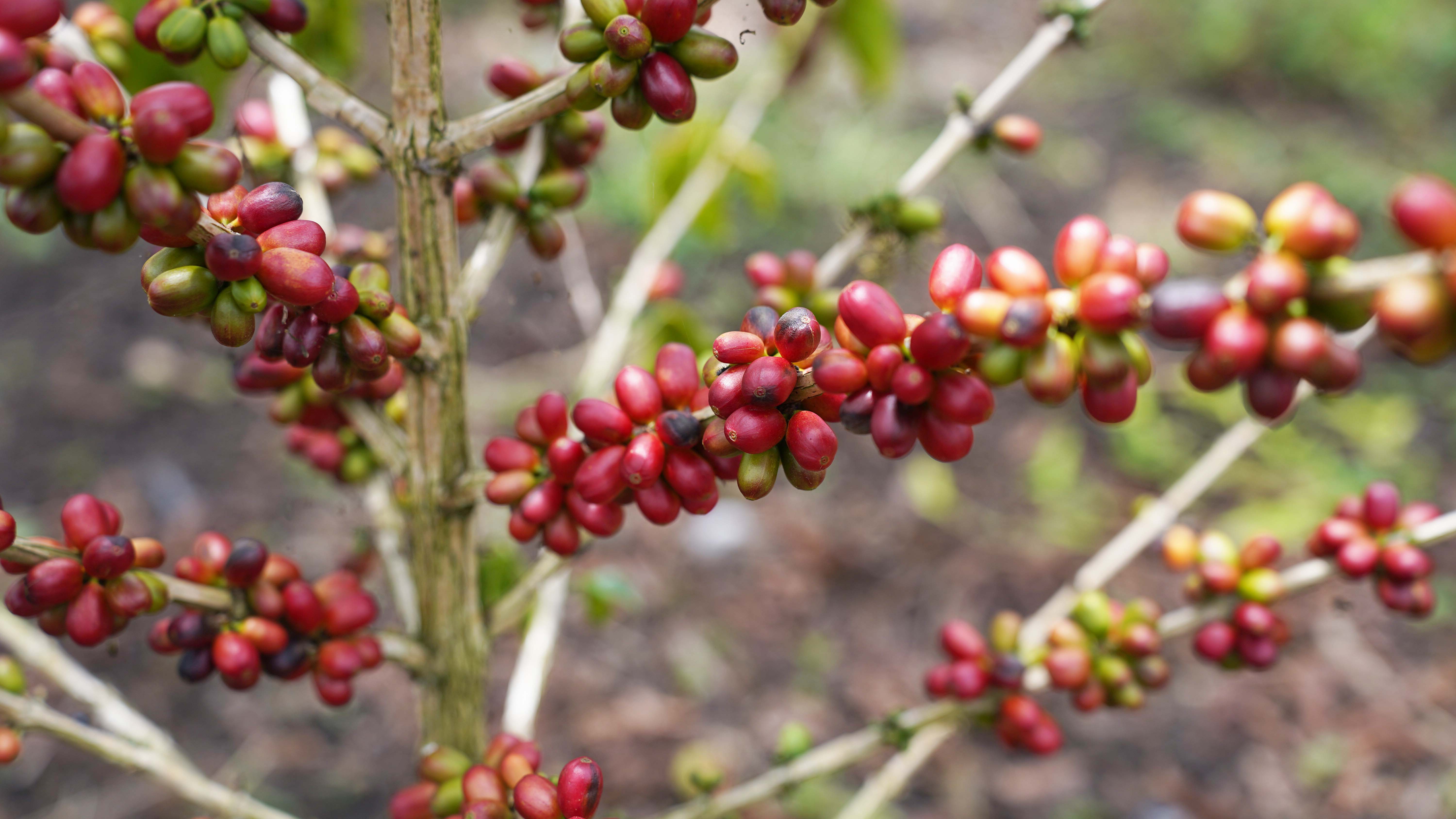
Yayasan Konservasi Pesisir Indonesia (YAKOPI) aims to expand an existing 50-hectare coffee agroforestry system into a 100-hectare regenerative landscape in Central Aceh. The project will restore degraded land while supporting 105 farmers through diversified, shade-grown Arabica coffee production. By combining coffee with fruit, timber, and nitrogen-fixing trees, the model improves soil health, biodiversity, carbon sequestration, and farm resilience. The initiative also strengthens local livelihoods by linking farmers to value-added coffee processing, branding, and sales channels. With land secured and community agreements in place, the project is ready to scale. reNature can support YAKOPI with agroforestry design, monitoring frameworks, Model Farm development, and access to funding and market visibility.
Can coffee restore Aceh’s degraded landscapes?
Central Aceh faces growing pressure from excessive land clearing, deforestation, and unsustainable coffee farming practices. Many farmers depend on coffee for income, yet conventional production can leave soils exposed, reduce biodiversity, and weaken long-term productivity. Poverty remains a key social and economic challenge, making it difficult for communities to shift toward more resilient farming systems without technical and financial support.
At the same time, Aceh’s climate, landscape, and farming culture offer strong potential for regenerative coffee production. Agroforestry provides a practical pathway: farmers can continue producing coffee while restoring tree cover, improving soil fertility, and diversifying income through fruit and other tree crops. Scaling this model requires nurseries, planting support, monitoring systems, and quality control so that restoration and business growth move forward together.
How will agroforestry transform coffee farming?
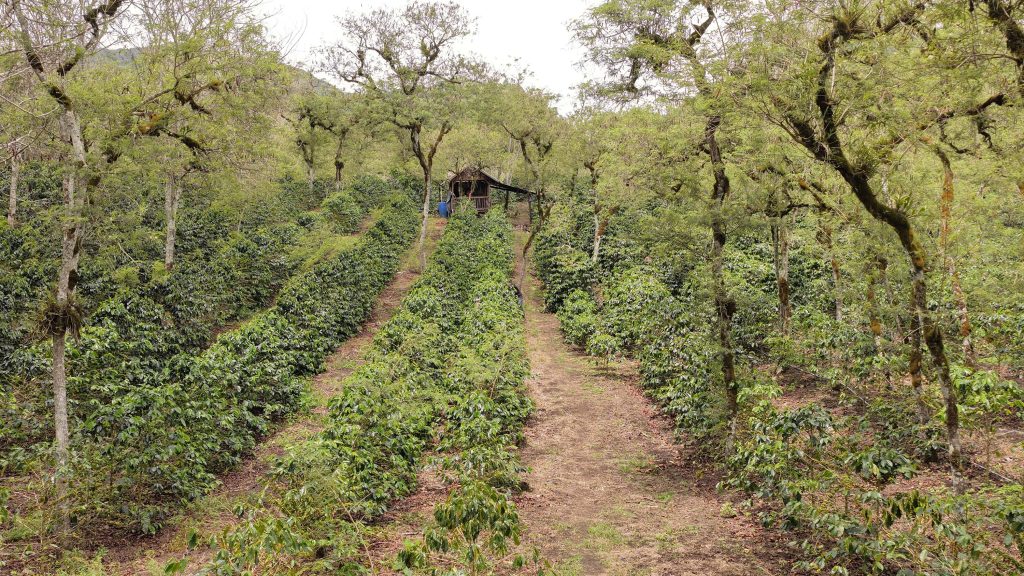
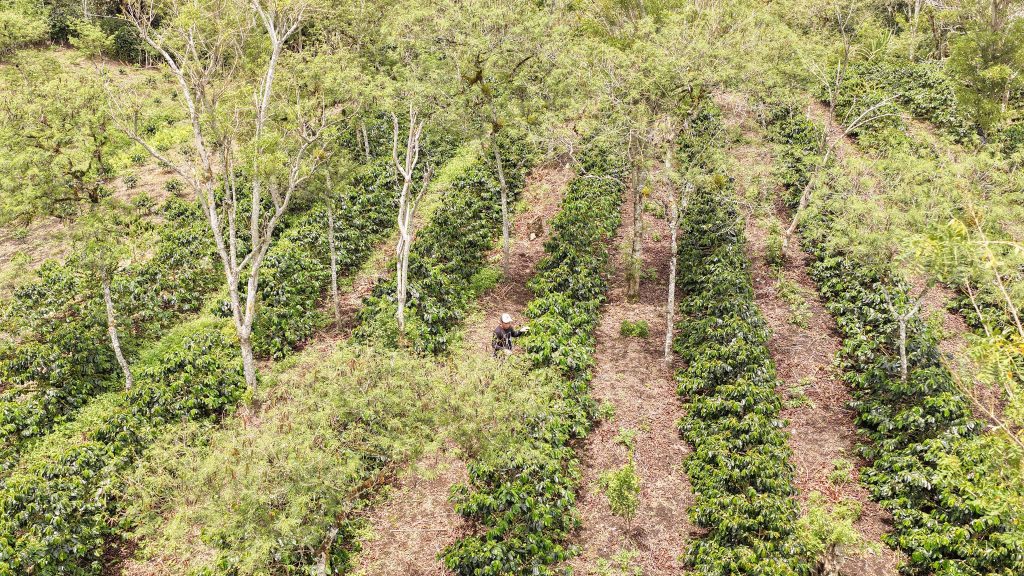
The project will expand YAKOPI’s existing agroforestry area from 50 hectares to 150 hectares through community-based implementation. Arabica coffee will be grown under a multistrata canopy of shade, fruit, timber, and support species including avocado, durian, petai, leucaena, coconut, rubber, and areca nut. This design reduces pressure on forests while creating a more productive and biodiverse farming system.
A 3–5 hectare model farm can help test, demonstrate, and refine regenerative practices before wider replication. reNature’s role can include agroforestry design, monitoring and evaluation, technical guidance, and project validation. By combining ecological restoration with coffee business development, the project can become a scalable example of how regenerative agriculture supports both landscapes and livelihoods.
Can shade-grown coffee capture carbon?
Yes. Coffee agroforestry increases carbon sequestration by integrating trees into productive farmland. Shade trees, fruit trees, and support species help rebuild biomass, improve soil structure, and reduce land degradation. The system also supports biodiversity by creating layered habitats and reducing the need for further land clearing. Over time, this approach can restore ecosystem functions while maintaining coffee production.
Who benefits from this transition?
The project directly supports coffee farmers, workers, and their families by improving farm productivity, food security, and income diversity. Around 210 people are expected to benefit directly, with others benefiting indirectly through stronger local value chains and community spillover effects. By working through farmer groups and village agreements, YAKOPI can ensure that restoration is locally owned and socially durable.
How does this strengthen farmer income?
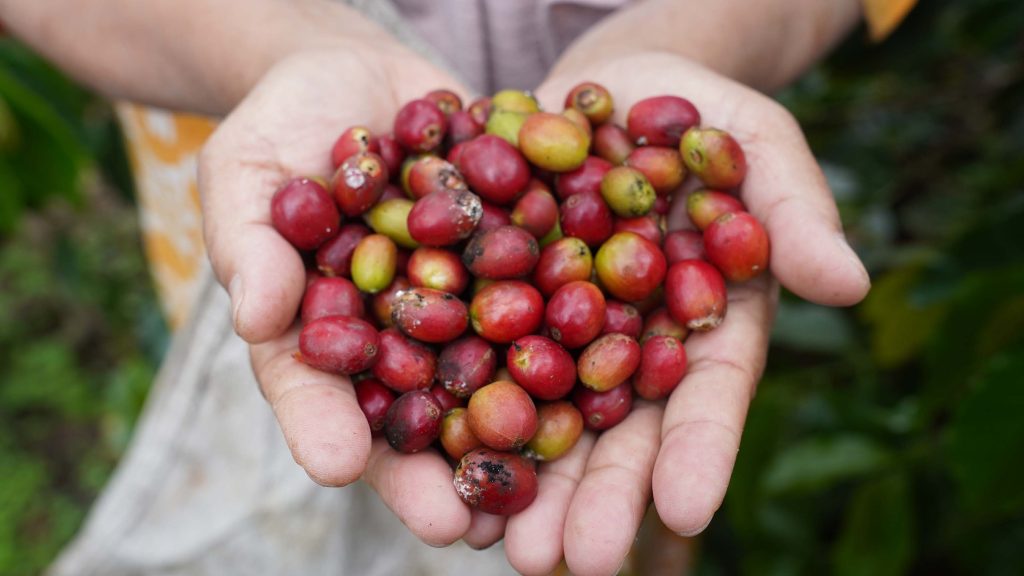
The project strengthens income by combining high-quality Arabica coffee with diversified agroforestry outputs such as fruit and other tree crops. YAKOPI’s existing coffee value chain includes processing, branding, and sales of roasted and ground coffee through local markets, coffee shops, traders, and partner companies. Funding will help scale production, improve quality control, and develop the coffee business further.
From restoration to resilient landscapes
This project offers a strong opportunity to scale regenerative coffee farming in Central Aceh. By restoring degraded land, increasing tree cover, and improving farmer income, YAKOPI can demonstrate how coffee landscapes can become more resilient, productive, and biodiverse. With reNature’s support, the expansion can become a practical model for community-led agroforestry restoration in Indonesia.