

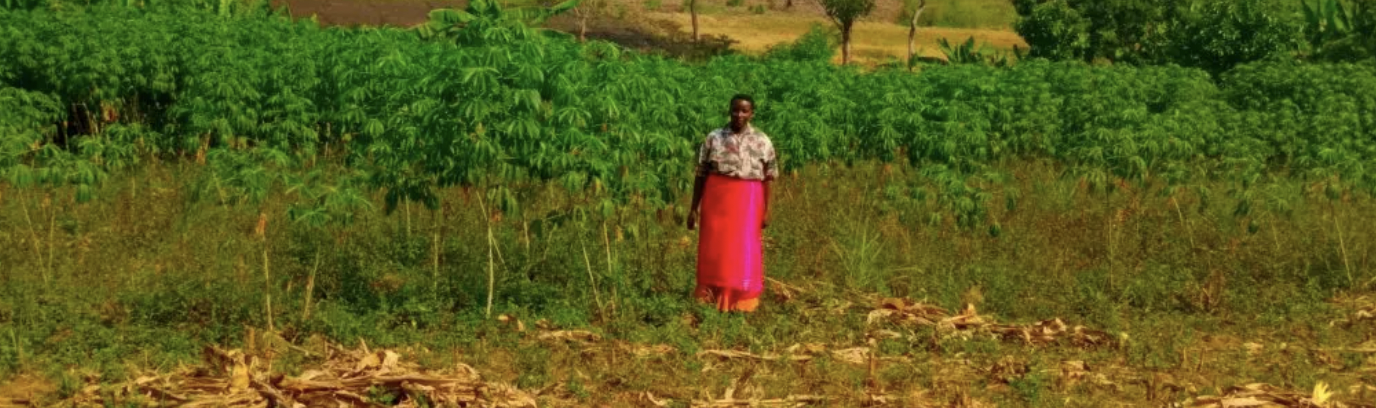
Empowering Woman Farmers: A Path to Climate Smart Agriculture, Uganda
- DefinitionDevising project idea, defining the aim and main components
- DesignSpecifying details such as time-frame, budget, target indicators, project partners and relevant steps to reach the project objectives
- Open to FinancingSearching and securing funding and investment, setting up relevant financing partnerships, and discussing payment modalities
- ImplementationExecution of feasibility studies, context analysis, plot design, planting and setting up facilities and starting with potential capacity-building
- MaintenanceOperational phase (monitoring and evaluation, impact assessments and adjustments, execution of educational programmes and long-term capacity building)
- Scaling UpScaling up phase is when the project it has already shown success by obtaining impact as well as economic results and it's ready to become replicable.
In Uganda’s Western Region, agriculture is the cornerstone of life for most households. Yet, despite their hard work, many smallholder farmers—especially women—struggle to escape the cycles of poverty and food insecurity. Faced with rapidly degrading soils and a changing climate, these women are caught in a difficult reality: their traditional farming methods are no longer enough to sustain their families or protect the land they rely on. This project is set to change this by introducing innovative, sustainable farming techniques that will transform both livelihoods and landscapes.
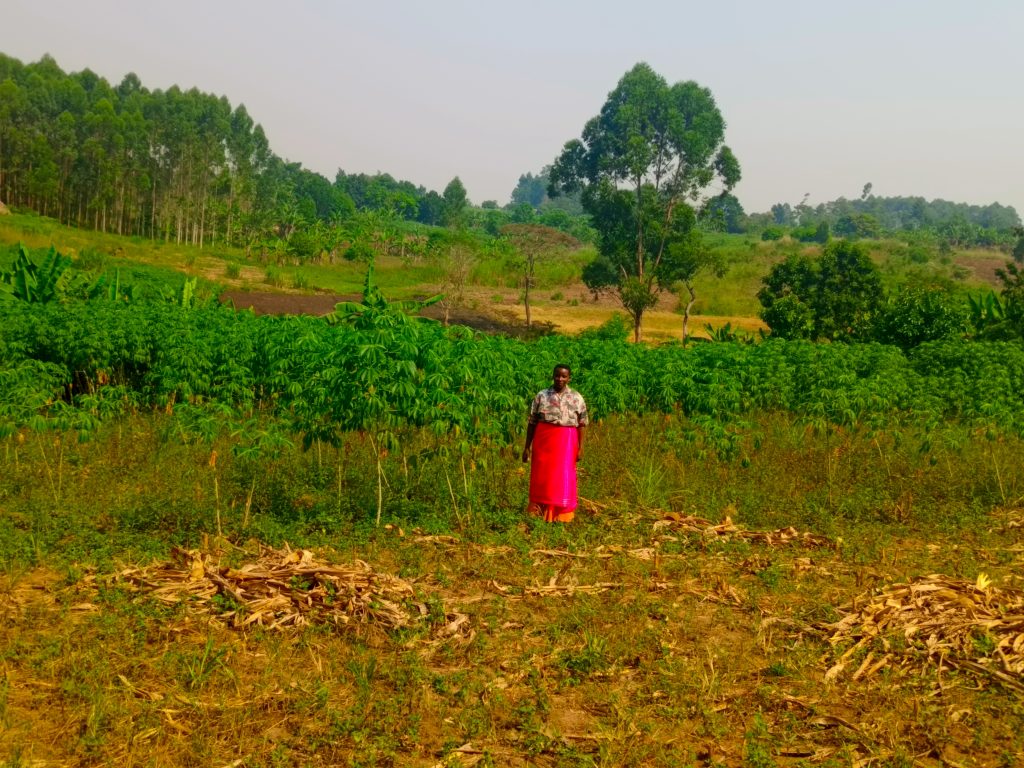
Facing the Challenge: Soil Degradation and Climate Vulnerability
The land in Western Uganda is degraded, with soil erosion, deforestation, and declining crop yields becoming common challenges. Women farmers are particularly vulnerable to these conditions, as they often lack access to modern agricultural tools, resources, and training that could improve their productivity. The result is a vicious cycle of poverty, where poor land conditions lead to low yields, and low yields deepen economic hardships.
In response to these challenges, this project offers a lifeline. The project aims to equip 500 women farmers with the knowledge, skills, and tools they need to adopt climate smart farming techniques that will restore the land, increase resilience to climate change, and improve food security for their families and communities.
Creating a Model for Change: Climate Smart Farming in Action
The project centers around the creation of five model farms, each 0.5 hectares in size, that will serve as demonstration and training hubs for women farmers. These farms will showcase a variety of regenerative and climate-smart techniques, including agroforestry, crop rotation, and integrated water management. By visiting these model farms, women will gain hands on experience in applying these practices to their own farms.
Agroforestry, for example, will introduce trees alongside crops, improving soil health by preventing erosion and increasing water retention. Crop rotation will reduce pest pressures and improve soil fertility over time, while sustainable water management practices, such as rainwater harvesting, will ensure that water is used efficiently, even during periods of drought. Through these techniques, women will learn how to rebuild the health of their soil, ensuring that their farms remain productive and resilient to climate related stresses.
Building Sustainable Livelihoods: Income Diversification and Food Security
The project is designed not only to improve environmental outcomes but also to transform the economic landscape for women farmers in the region. Traditionally, many of these women rely on single crops, such as maize or rice, for both subsistence and income. However, these crops are vulnerable to both market fluctuations and environmental challenges, making it difficult for women to achieve financial stability.
To address this, the project introduces a diversified farming approach. Grains like maize and rice will still be central commodities, providing reliable short term income and food security. But by incorporating timber, vegetables, and cattle into their farming systems, women will gain access to additional income streams. Timber, in particular, offers a long term investment: while the trees mature, they will not only generate future income but also help restore degraded land by providing shade, preventing erosion, and enhancing biodiversity.
Vegetables, meanwhile, will provide both food for local consumption and opportunities for income generation through local markets. Cattle, integrated into the system, will contribute to sustainable farming by providing organic manure, which will enhance soil fertility and reduce reliance on chemical fertilizers. This diversified approach will help women build more resilient farms that can withstand both economic and environmental shocks, providing them with the security they need to lift their families out of poverty.
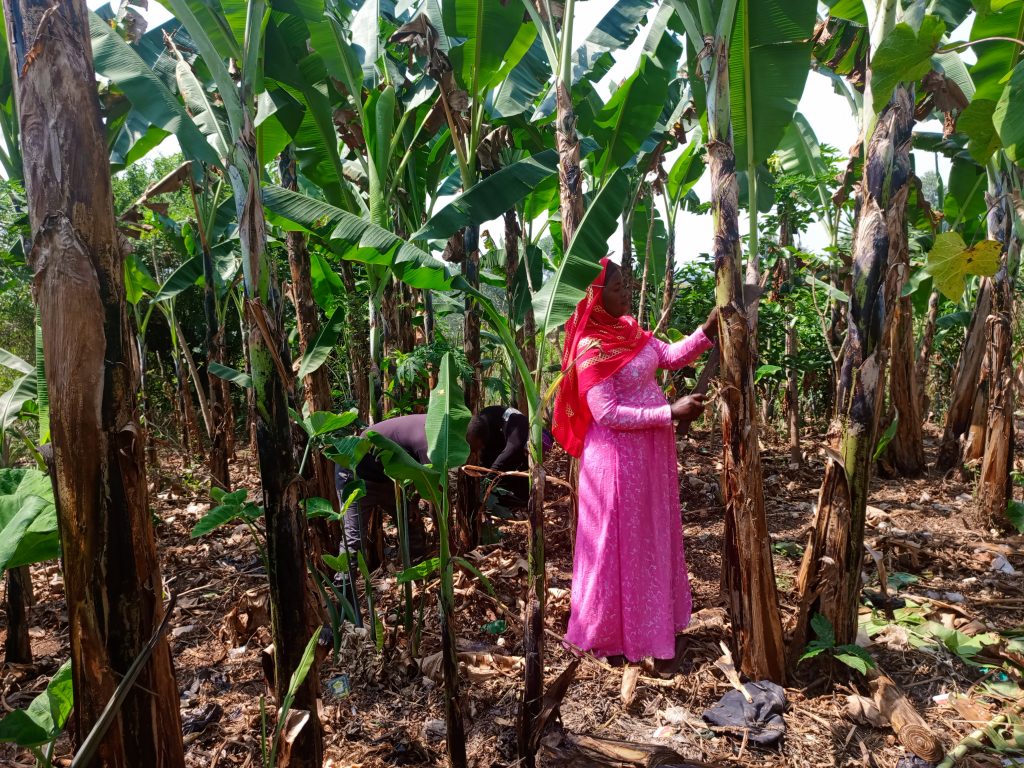
Empowering Women: Leadership in Agriculture
This project is as much about social change as it is about environmental and economic transformation. Women play a crucial role in agriculture, yet they are often excluded from leadership roles and decision making processes within their communities. This project seeks to change that by positioning women as leaders and innovators in climate smart agriculture.
The ripple effect of this empowerment is expected to reach beyond the direct beneficiaries, impacting an additional 5,000 community members as women spread the lessons they’ve learned from the model farms. By placing women at the forefront of the project, the initiative aims to foster greater gender equality and create stronger, more resilient communities. The skills and confidence gained through their participation in the project will empower these women to become not only better farmers but also community leaders and advocates for sustainable agriculture.
Restoring Ecosystems: A Vision for Environmental Regeneration
In addition to its social and economic goals, the project has a strong environmental focus. Unsustainable farming practices in Uganda have contributed to widespread deforestation and soil degradation, threatening the long term productivity of the land. This project aims to reverse these trends by promoting practices that enhance soil health, conserve water, and increase biodiversity.
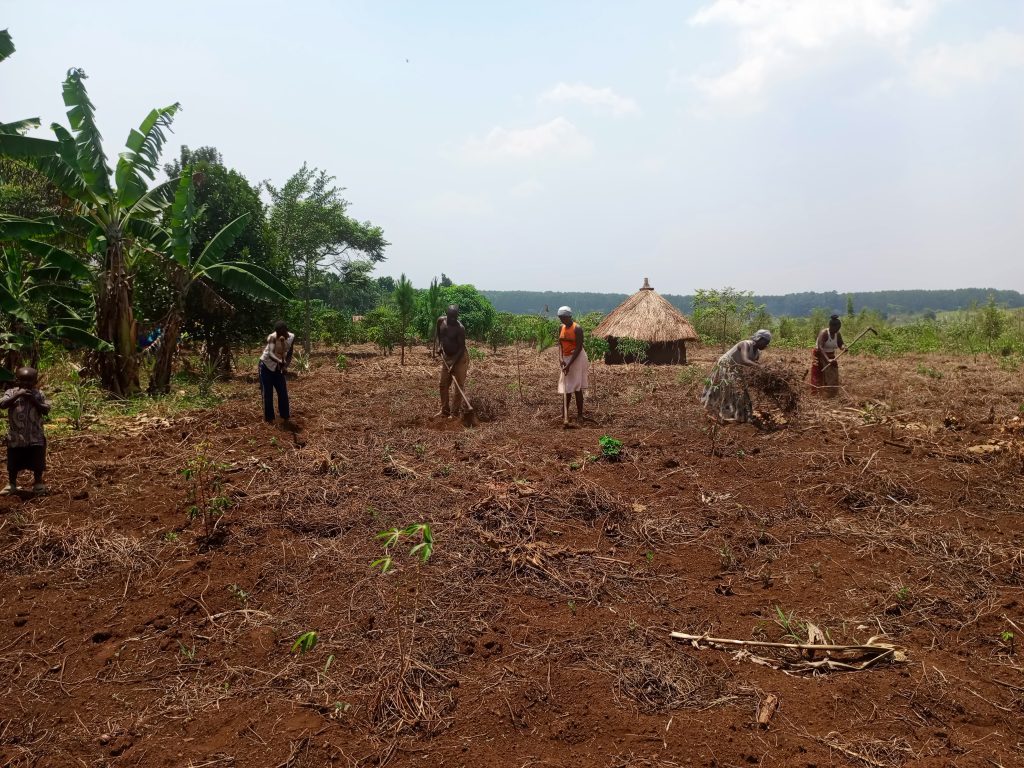
A Model for the Future: Scaling Impact Across Uganda
This initiative is not just a localized intervention—it is a model for change that can be replicated across Uganda and beyond. By focusing on women as agents of change and emphasizing the importance of climate smart farming practices, the project offers a blueprint for improving food security, reducing poverty, and restoring ecosystems in regions facing similar challenges.
As the project progresses, the success of the model farms will inspire other farmers in the region to adopt these sustainable practices. The long term vision is to expand the impact of the project across 140,000 hectares of land, ensuring that more communities can benefit from climate smart agriculture. By creating resilient, productive farms and empowering women to lead the way, this project will help secure a sustainable future for generations to come.


