

Farming Against the Odds, Kenya
- DefinitionDevising project idea, defining the aim and main components
- DesignSpecifying details such as time-frame, budget, target indicators, project partners and relevant steps to reach the project objectives
- Open to FinancingSearching and securing funding and investment, setting up relevant financing partnerships, and discussing payment modalities
- ImplementationExecution of feasibility studies, context analysis, plot design, planting and setting up facilities and starting with potential capacity-building
- MaintenanceOperational phase (monitoring and evaluation, impact assessments and adjustments, execution of educational programmes and long-term capacity building)
- Scaling UpScaling up phase is when the project it has already shown success by obtaining impact as well as economic results and it's ready to become replicable.
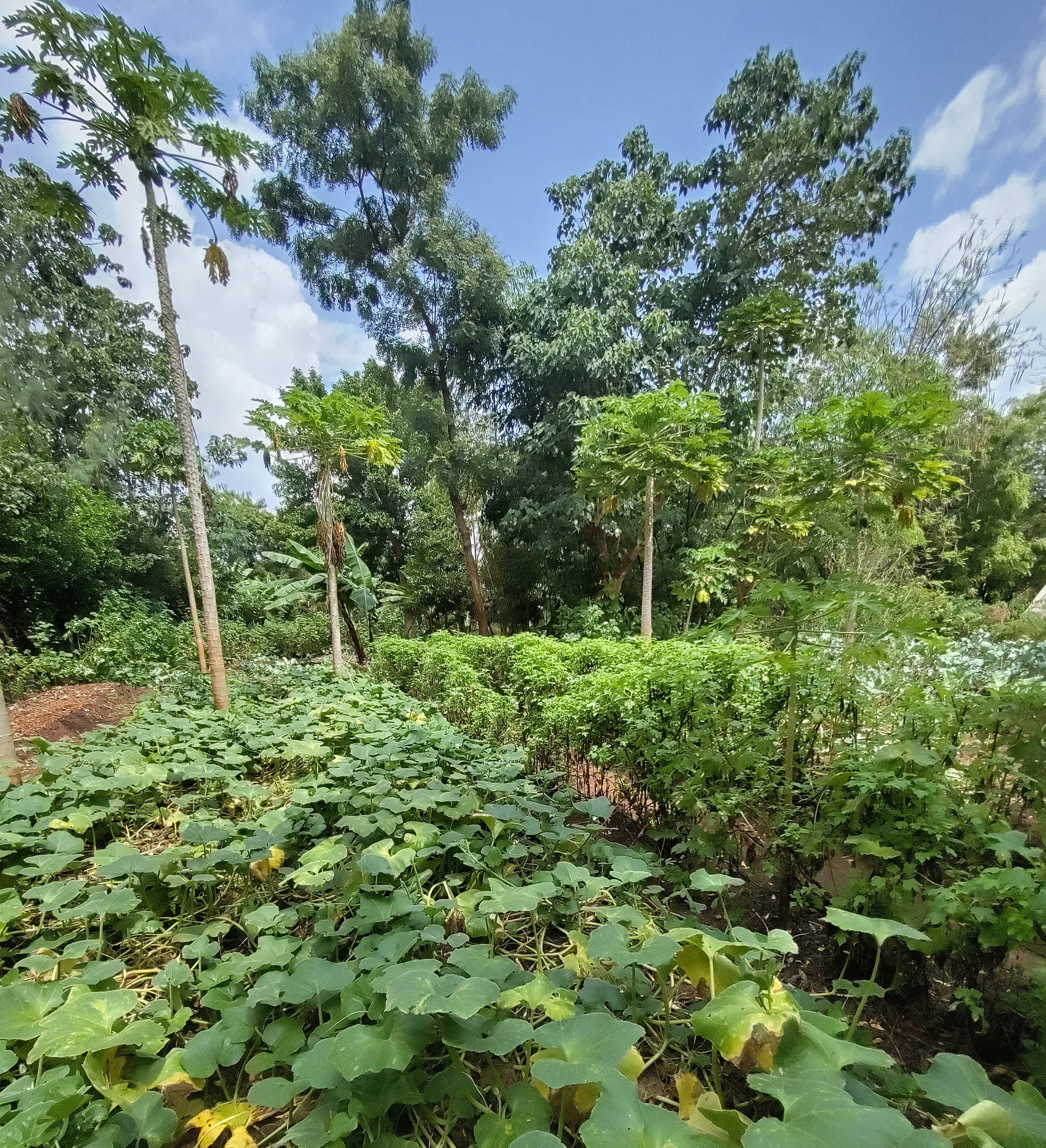
In the arid and semi arid lands (ASAL) of Kenya, farming has become an increasingly unpredictable struggle. Unrelenting climate shifts, soil degradation, and poor land use practices have turned once productive landscapes into barren stretches of land. Many smallholder farmers in these regions rely on livestock grazing, further exacerbating desertification. However, an innovative agroforestry project, spearheaded by ReNature and The Green Intelligence in collaboration with local partners, is offering a new path forward – one rooted in resilience, sustainability, and economic opportunity.
Strengthening Livelihoods and Ecosystems
Unlike traditional crops that suffer from extreme weather fluctuations, trees provide a stable source of income while restoring the land. By integrating both indigenous and high value productive trees into the farming system, this initiative offers a long-term solution to climate instability and poverty.
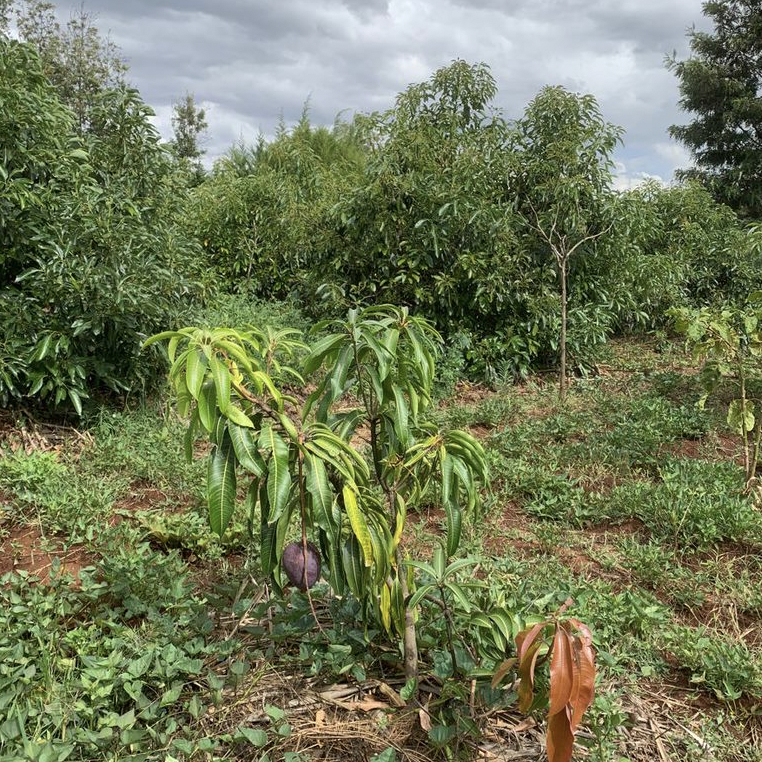
The project will establish two model farms on either side of Mount Kenya, strategically positioned to address unique environmental challenges on both ends. These farms will serve as training hubs, seedling nurseries, and market access points for farmers in the region. The initiative prioritizes a mix of 60% indigenous trees – including Croton Megalocarpus, Cordia Africana, Marahamua Lutea, and Grevillea Robusta – alongside 40% productive trees such as avocado, macadamia, moringa, and mango. Beneath the canopy, crops like ginger and turmeric will further enhance biodiversity and income potential.
A Holistic Approach to Regeneration
The project is not just about planting trees – it’s about creating an ecosystem where people and nature thrive together, while ensuring thriving income streams.
- Environmental Impact: The agroforestry model will improve soil fertility, boost water retention, and combat erosion. By establishing nurseries with native and endangered tree species, the initiative promotes large scale biodiversity restoration while actively sequestering carbon.
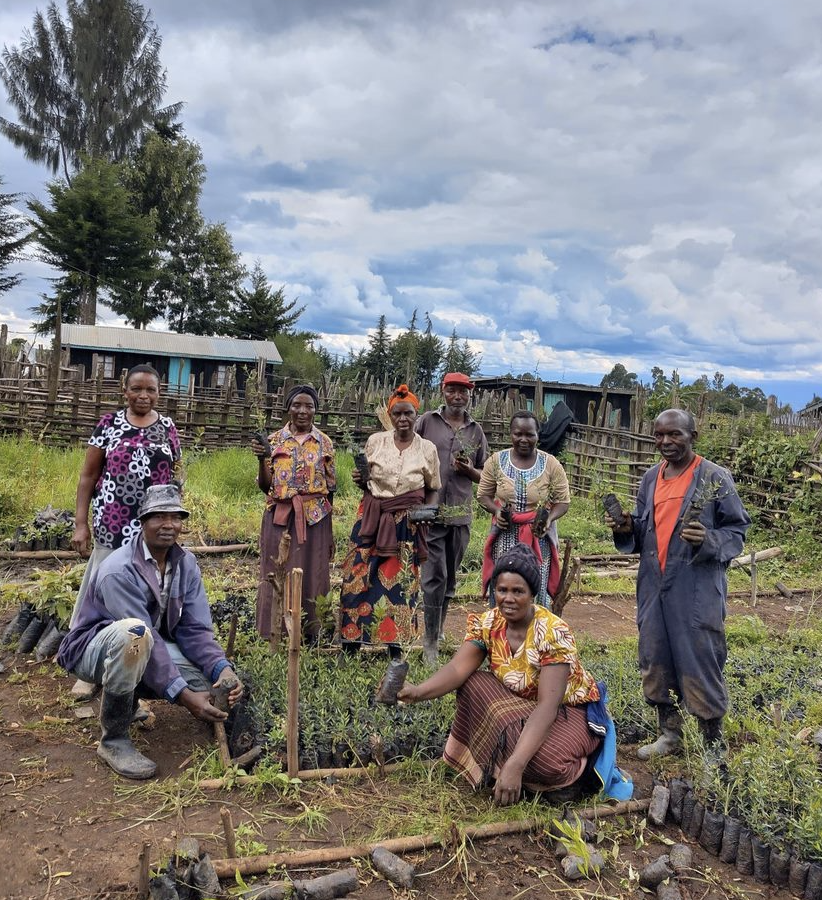
- Social Impact: By providing hands on training and model farms, this initiative empowers local farmers with knowledge and resources. Working in partnership with dry land agricultural students from Tharaka University, farmers will receive ongoing technical support, ensuring they successfully integrate agroforestry into their livelihoods.
- Economic Impact: The project focuses on turning trees into profit generating assets for farmers. High value tree crops such as macadamia and avocado will open new income streams, while the model farm will also serve as an aggregation hub, equipped with solar dryers for local processing. This will add value at the source, enabling farmers to jointly access markets, reduce dependency on multiple middlemen, secure better prices, and create local jobs.
Technology Driven Impact
One of the most exciting aspects of this initiative is its integration of technology. Through a dedicated mobile application, farmers will be able to register their planted trees, track their growth, and receive incentives for proper tree care. The app will also offer training modules and facilitate direct engagement between donors and farmers, ensuring transparency and measurable impact. Donors will be able to monitor how much carbon is being stored thanks to their contributions, making environmental restoration a shared effort.
A Vision for the Future
With a starting area of 4 hectares and an ambition to expand across 5,000 hectares, this project has the potential to impact over 10,000 farmers. By proving that sustainable agroforestry is not only possible but profitable, ReNature and The Green Intelligence aim to create a ripple effect that transforms Kenya’s ASAL landscapes.
Through collaboration with local communities, institutions, and private sector partners, the initiative lays the foundation for a self sustaining model that could be replicated across other climate vulnerable regions.
Join the Movement
Desertification doesn’t have to be the end of the story – it can be the beginning of a regenerative movement. By supporting and scaling agroforestry, we can restore ecosystems, build resilient communities, and create economic opportunities for smallholder farmers.
This isn’t just about planting trees; it’s about planting the future.