Mango
Known as the “king of fruits,” Mangifera indica is a tropical staple with a vibrant, juicy flavor that’s loved globally. But mangoes are more than just a delicious treat. Originally from South Asia, mangoes have journeyed across continents and are now finding their place in sustainable agriculture. As farmers turn to eco friendly practices, mangoes are proving to be a valuable crop in regenerative farming.
The Importance of Mangoes
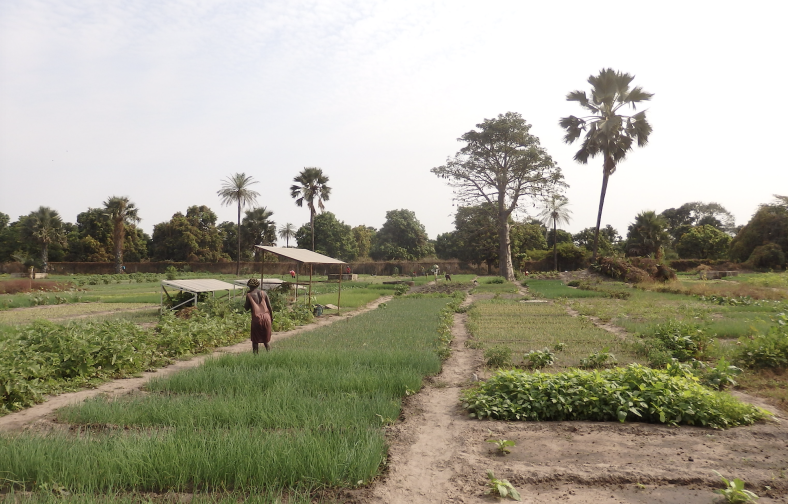
Mangoes are among the world’s most widely enjoyed fruits, creating a strong market for them. But it’s not just about taste; mango trees bring unique benefits that make them ideal for regenerative agriculture. These trees are perennials, meaning they can produce fruit every year with the right care. Their broad canopies provide natural shade, helping to cool the soil, reduce water evaporation, and create a better environment for other crops or livestock that might be sharing the land.

Mango trees also work well in agroforestry. In these setups, mangoes boost biodiversity, improve soil quality, and support local economies. Their high market value offers farmers a steady income while reducing the need for synthetic fertilizers and pesticides.
One of the mango tree’s superpowers is its deep root system. These roots reach far into the soil, accessing nutrients and moisture that other plants can’t, which keeps the soil fertile over time. As mango leaves fall and decompose, they naturally enrich the soil, adding organic matter that helps prevent erosion and increases water retention. With this self-sustaining cycle, mango orchards are better equipped to withstand drought and extreme weather.
Many mango farmers also use cover crops to hold soil moisture and prevent weeds, creating a thriving ecosystem underground. In some cases, they even add livestock to graze, fertilizing the soil naturally and creating a holistic setup where trees, crops, and animals all support each other.
Challenges and Innovations
Mango farming isn’t without its challenges. Growing mangoes in dry regions can put pressure on local water resources, and pests like fruit flies can threaten yields. However, regenerative methods like intercropping can help maintain soil health without synthetic fertilizers. This diversity also helps keep pests in check naturally.
Farmers are also trying new techniques like mulching and drip irrigation to conserve water. By using compost and organic mulches, mango growers can enrich the soil and reduce water use, supporting both productivity and the environment.
The demand for mangoes worldwide offers a unique chance for regenerative farming to shine. Sustainable practices in mango growing aren’t just producing delicious fruit but creating a whole ecosystem that supports both the planet and local communities. Imagine mango farms as lush, biodiverse spaces with interconnected plants and animals, sustaining the soil and people alike.
Projects in commodity


Articles in commodity

All you want to know about soil health