

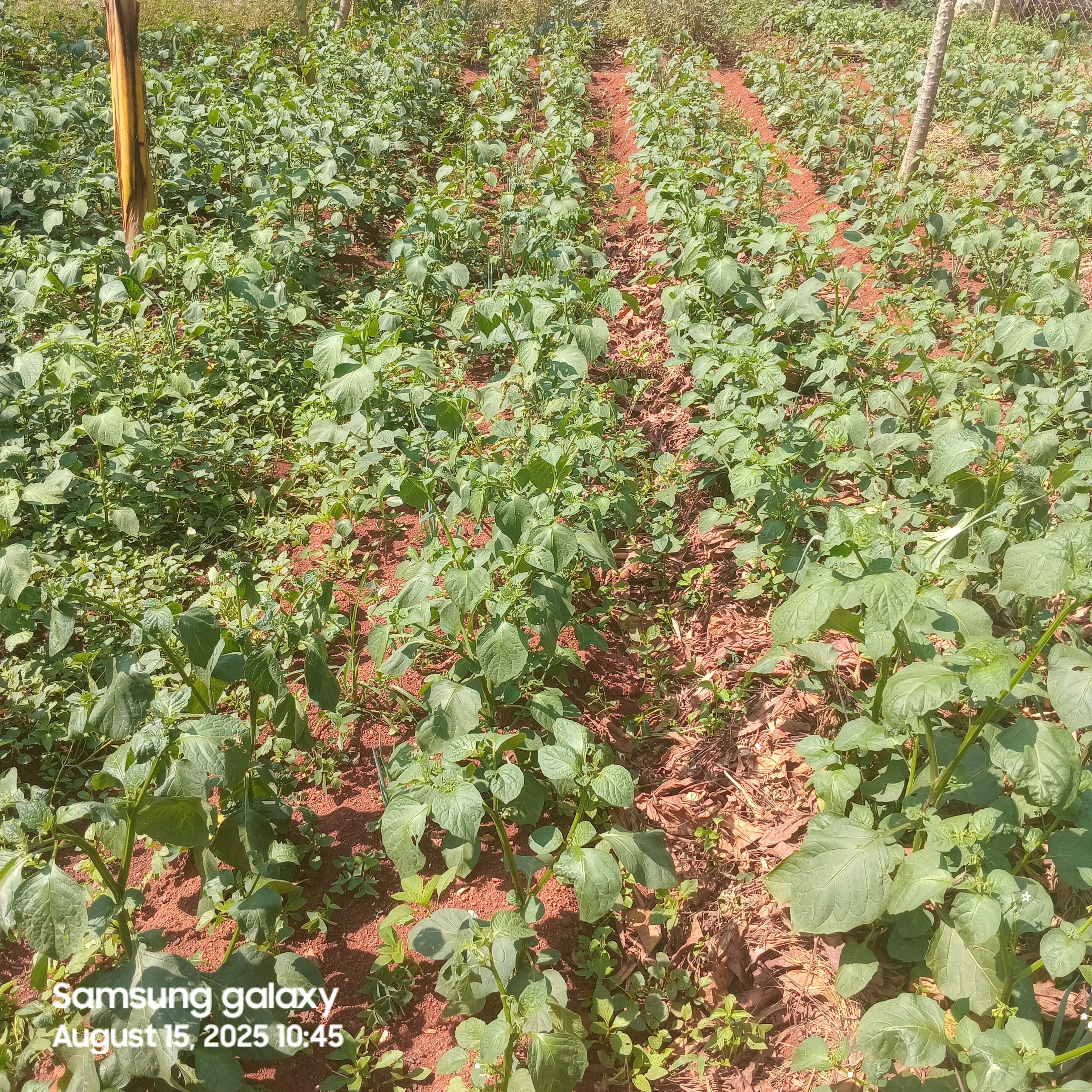
Neemcare Regenerative Learning & Community Farm
- DefinitionDevising project idea, defining the aim and main components
- DesignSpecifying details such as time-frame, budget, target indicators, project partners and relevant steps to reach the project objectives
- Open to FinancingSearching and securing funding and investment, setting up relevant financing partnerships, and discussing payment modalities
- ImplementationExecution of feasibility studies, context analysis, plot design, planting and setting up facilities and starting with potential capacity-building
- MaintenanceOperational phase (monitoring and evaluation, impact assessments and adjustments, execution of educational programmes and long-term capacity building)
- Scaling UpScaling up phase is when the project it has already shown success by obtaining impact as well as economic results and it's ready to become replicable.
Neemcare Regenerative Learning & Community Farm is a community-driven agroecology initiative located in Nandi County, Kenya. Founded by Hoseah Kiptoo in collaboration with Lelwak Stars Community Based Organization (CBO), the project combines organic vegetable production, neem-based bio-pesticide development, agroforestry, and permaculture practices within a regenerative model farm. Beyond food production, the initiative serves as a community training and mentorship platform supporting vulnerable students, young people, and local farmers. Both of these characteristics outline the concept of reNature’s Model Farm.
Revenue generated from vegetable sales and neem-based products is reinvested into educational support, entrepreneurship programs, tree-planting activities, and agroecology training. The project currently works directly with 22 farmers and indirectly impacts around 1,000 community members through knowledge-sharing and environmental restoration activities.
Together with Lelwak Stars Community Based Organization (CBO), the initiative organizes approximately six community workshops and school outreach programs annually. These activities engage secondary school students, out-of-school youth, farmers, and community members through life-skills mentorship, environmental awareness campaigns, tree-planting activities, school agricultural projects, and entrepreneurship training. The programs are implemented in collaboration with schools, Boards of Management, agricultural extension officers, and local authorities to strengthen long-term community impact.
How Can Agroecology Fight Rural Poverty?
In many rural communities across Nandi County, poverty, food insecurity, and environmental degradation remain major challenges for farming households. Smallholder farmers often rely on expensive chemical inputs that reduce soil fertility over time while limiting biodiversity and increasing production costs. Limited access to training, infrastructure, and financial support further restricts opportunities for young people and vulnerable families to improve their livelihoods.
Climate variability and declining ecosystem health have also affected agricultural productivity in the region. Many farmers struggle to maintain stable incomes while balancing the rising costs of farming inputs and education for their children. Vulnerable students frequently lack access to school materials, uniforms, and mentorship opportunities that could improve their future prospects.
Many young people also lack access to mentorship opportunities, practical entrepreneurship training, and environmental education that could help them create sustainable livelihoods within their own communities. At the same time, local ecosystems continue to experience biodiversity loss due to unsustainable agricultural practices and deforestation. Without practical regenerative farming examples and locally adapted training systems, communities face difficulties transitioning toward more sustainable and resilient food production models that can support both people and nature in the long term.
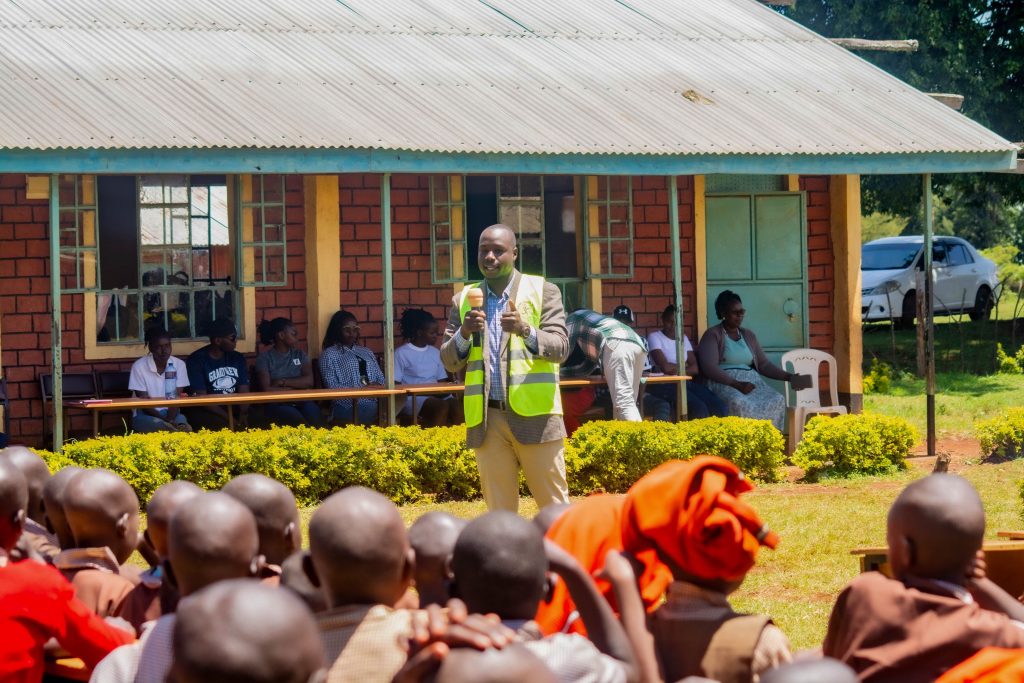
Building Regenerative Farms and Future Leaders
Neemcare Regenerative Learning & Community Farm addresses these interconnected challenges by combining regenerative agriculture with community empowerment and education. The farm produces organic vegetables using homemade neem-based bio-pesticides that reduce dependence on synthetic chemicals while promoting healthier soils and ecosystems. Agroforestry and permaculture principles are integrated into the farming system to improve biodiversity, increase resilience, and restore long-term soil fertility.
The initiative also functions as a hands-on training and mentorship platform where farmers, students, and young people learn practical agroecology, entrepreneurship, environmental stewardship, and sustainable farming techniques through workshops, school outreach programs, and community demonstrations.
Approximately six workshops and school engagement programs are organized annually, each reaching between 20 and 50 participants. Activities include life-skills mentorship, tree planting, school-based agricultural projects, environmental awareness campaigns, and support initiatives focused on vulnerable students and girls’ empowerment. Participatory learning methods and long-term collaboration with schools and local stakeholders help ensure measurable and sustainable impact.
By strengthening local capacities and creating practical examples of regenerative farming, the project demonstrates how agriculture can become both environmentally restorative and socially inclusive. The initiative aims to scale its impact by formalizing a permaculture training school and expanding farm infrastructure, allowing more farmers and youth to participate in regenerative agriculture while improving food security and livelihoods across the region.
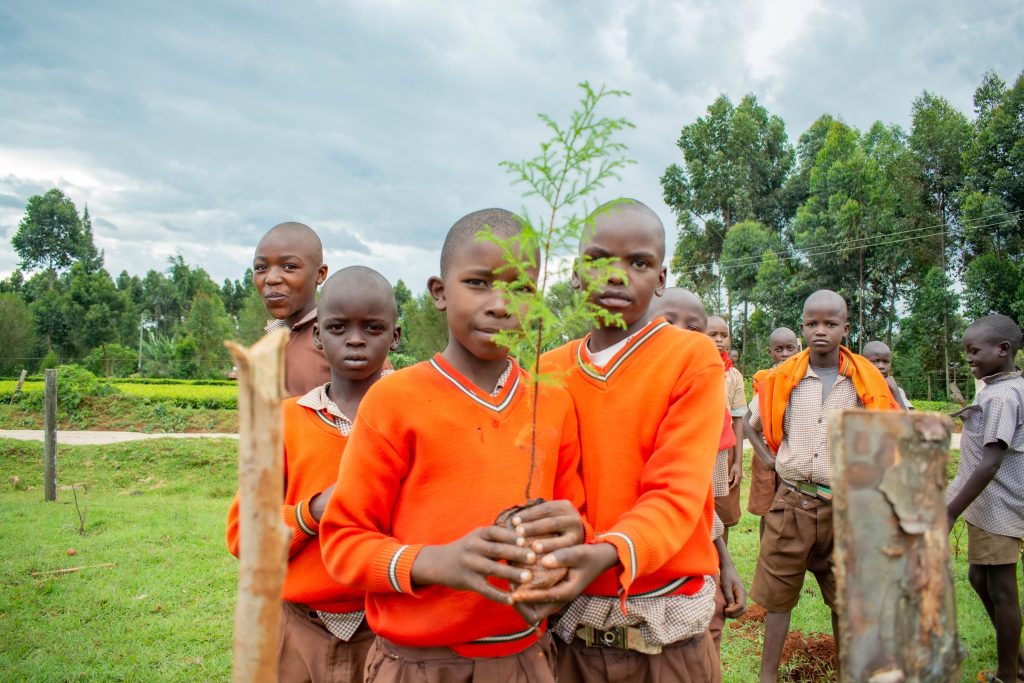
Can Biodiversity Be Restored Through Farming?
Neemcare Regenerative Learning & Community Farm demonstrates how regenerative farming can actively contribute to biodiversity restoration. By integrating agroforestry, organic vegetable production, and neem-based bio-inputs, the project reduces the use of harmful synthetic pesticides and encourages healthier ecological interactions within the farm landscape.
Tree planting activities help restore degraded areas while improving soil structure, water retention, and habitat diversity. The use of organic practices supports beneficial insects, microorganisms, and pollinators that are essential for resilient food systems. Through permaculture design and sustainable land management, the project contributes to long-term soil fertility and ecosystem regeneration while promoting climate-smart agricultural practices adapted to local conditions.
How Does Training Strengthen Communities?
The social impact of Neemcare Solutions and Lelwak Stars CBO extends far beyond food production by creating structured opportunities for education, mentorship, and youth empowerment within local communities.
Income generated from farming activities helps provide educational support such as school uniforms, fees, and learning materials for vulnerable children in the community. The project also strengthens social cohesion by creating a shared learning environment where farmers exchange experiences and develop regenerative farming skills together. School outreach activities strengthen relationships between farmers, students, teachers, local administration, and agricultural extension officers, creating stronger community networks and long-term collaboration.
By empowering young people with practical agricultural and business knowledge, the initiative contributes to stronger, more resilient rural communities capable of addressing future environmental and economic challenges.
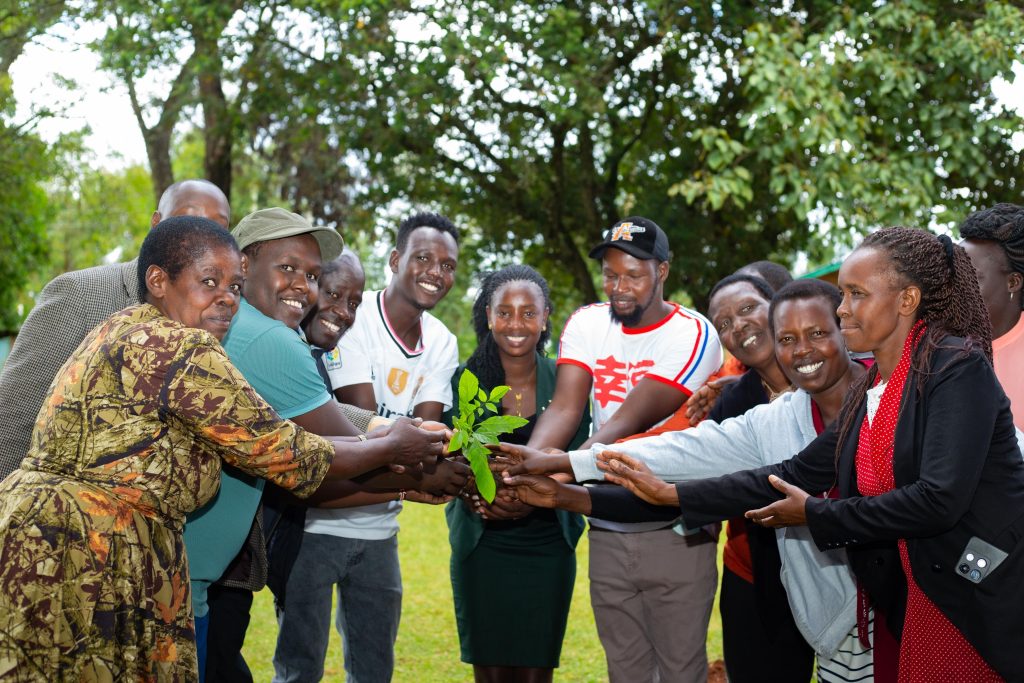
Can Regenerative Farming Improve Livelihoods?
Neemcare Regenerative Learning & Community Farm creates economic opportunities by combining organic vegetable production with value-added neem-based bio-pesticide activities. The project generates income through local market sales while reducing dependence on expensive external farm inputs, improving profitability for participating farmers.
As the initiative expands its training capacity, more farmers and young people will gain access to agroecology and entrepreneurship skills that can help diversify household incomes and strengthen local food systems. The project’s integrated business model reinvests farm revenue into training and community support programs, creating positive economic spill-over effects throughout the region.
With additional financial and technical support, the initiative has strong potential to scale its regenerative impact while improving long-term economic resilience for farming households and vulnerable youth.
Growing Regeneration Through Community Action
Neemcare Regenerative Learning & Community Farm is an inspiring example of how regenerative agriculture can address environmental, social, and economic challenges simultaneously. Despite operating on a small scale, the initiative has already created a meaningful impact through organic food production, biodiversity restoration, farmer training, youth mentorship, and community outreach.
Its combination of regenerative farming, school outreach, entrepreneurship mentorship, and environmental education creates a holistic community development model with strong long-term potential. By strengthening its farm infrastructure and establishing a formal permaculture training school, the project can become a regional lighthouse for agroecology and community-led regeneration in Kenya.
Through collaboration, investment, and knowledge exchange, the initiative has the potential to empower more farmers, restore ecosystems, and create lasting opportunities for vulnerable communities while building a more sustainable and resilient future.