

Regenerating the Amazon Through Community Cacao
- DefinitionDevising project idea, defining the aim and main components
- DesignSpecifying details such as time-frame, budget, target indicators, project partners and relevant steps to reach the project objectives
- Open to FinancingSearching and securing funding and investment, setting up relevant financing partnerships, and discussing payment modalities
- ImplementationExecution of feasibility studies, context analysis, plot design, planting and setting up facilities and starting with potential capacity-building
- MaintenanceOperational phase (monitoring and evaluation, impact assessments and adjustments, execution of educational programmes and long-term capacity building)
- Scaling UpScaling up phase is when the project it has already shown success by obtaining impact as well as economic results and it's ready to become replicable.
This project aims to regenerate degraded Amazonian landscapes in San José del Fragua, Caquetá, through cacao-based agroforestry systems. Led by CORDESPA in partnership with reNature, the initiative works with four Indigenous and campesino communities—many transitioning from illegal coca cultivation to regenerative cacao production. Native species such as açaí and cupuaçu will be integrated with cacao to create biodiverse and productive systems. The project also aims to revitalize community nurseries, strengthening local leadership with a strong focus on women and Indigenous governance. By connecting restored farms to nearby protected areas, this project supports ecological recovery, economic autonomy, and long-term peacebuilding in a region shaped by conflict and deforestation.
At the Crossroads of Deforestation and Conflict
San José del Fragua lies at the fragile frontier between the Amazon rainforest and expanding agricultural land. Decades of cattle ranching, illegal coca cultivation, gold mining, and logging have accelerated deforestation, degraded soils, contaminated water sources, and fragmented ecosystems. These extractive activities have weakened forest cover and disrupted river systems essential for biodiversity and local livelihoods. At the same time, the region continues to face the social and economic consequences of Colombia’s armed conflict, including fragile governance, limited market access, and persistent poverty. Although the 2016 peace agreement opened pathways to transition away from illicit crops, insufficient public investment has left communities to drive change with minimal support.
Regenerative agriculture offers a practical pathway forward. By diversifying incomes beyond extractive practices, it can rebuild ecosystems while strengthening local economies. In Caquetá, regeneration is not only an environmental solution, but a strategy for long-term stability, resilience, and peace.
From Degraded Land to Regenerative Model Farms
The initiative begins with a 20-hectare pilot Model Farm that will be co-developed with the cacao growers’ collective of San José del Fragua, representing approximately 80 farming families. The farm will serve as a learning place where regenerative cacao systems will be designed and tested, integrating cacao with native fruit trees, timber species, food crops, and soil restoration practices.
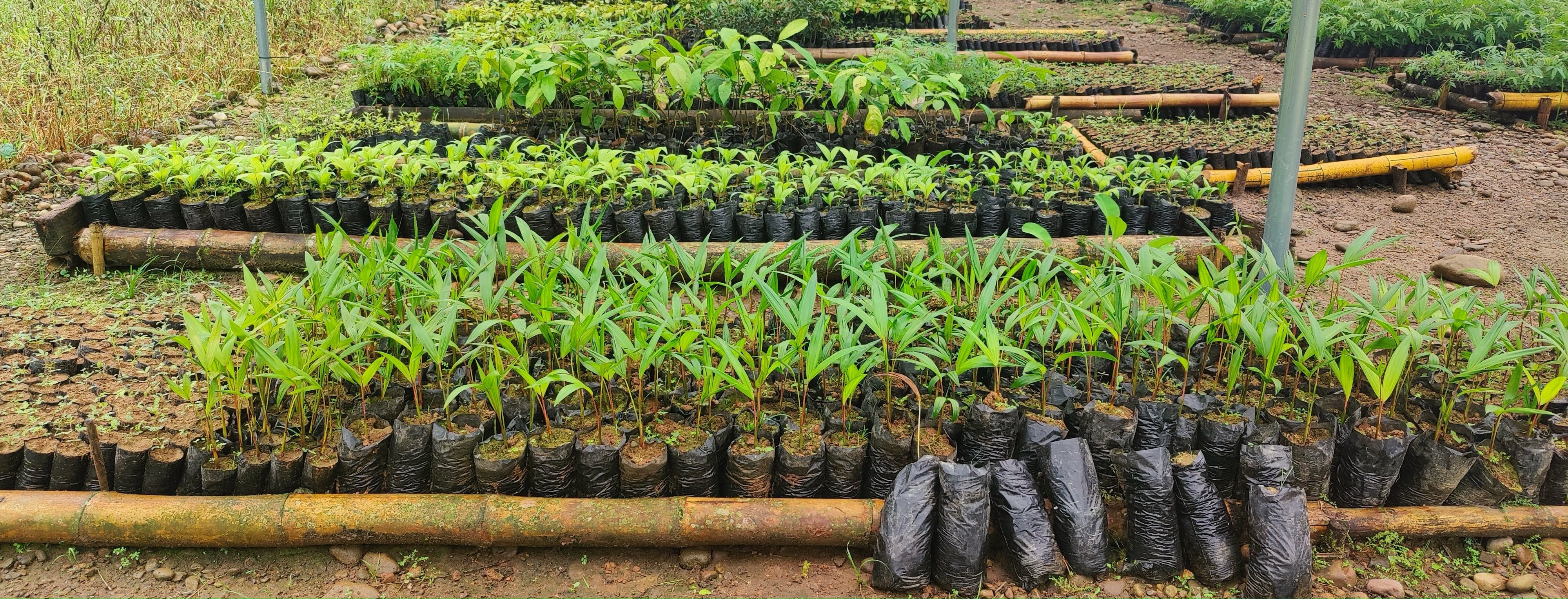
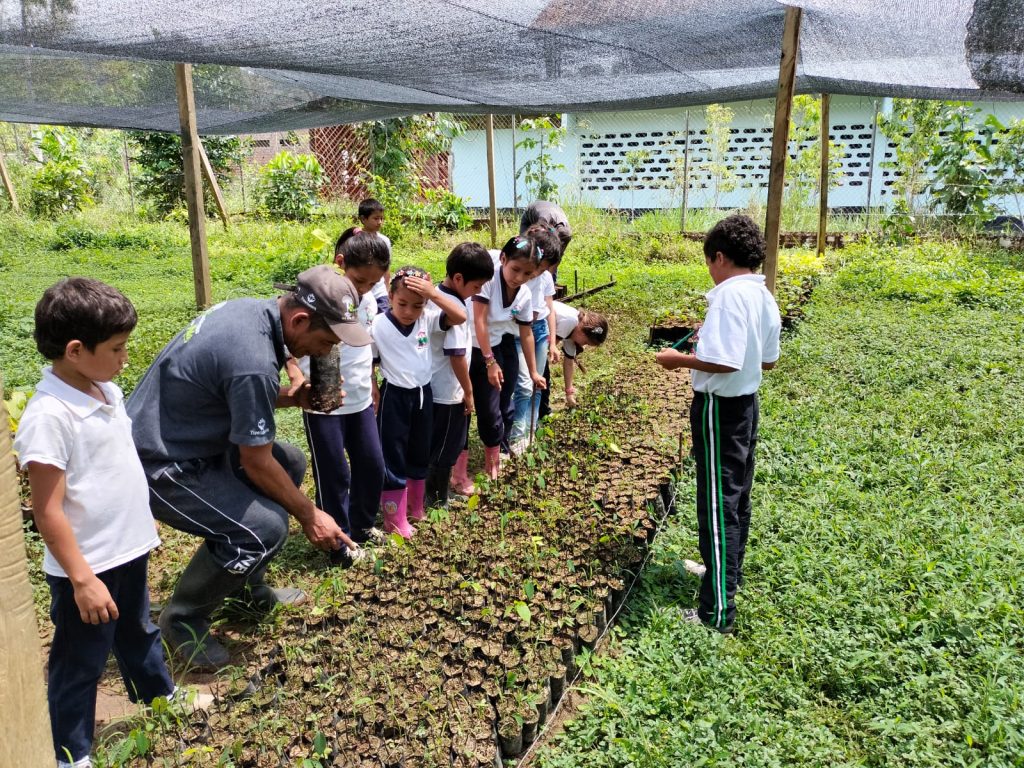
Community nurseries will be revived to produce diverse native seedlings and function as decentralized training centers. All capacity-building activities will be open to the broader community. Implemented on degraded pasture, the project adheres to zero-deforestation principles and aligns with EU deforestation-free supply chain standards. The pilot project will lay the groundwork for scaling regenerative agroforestry across up to 300 hectares in the region.
Reconnecting Forests and Restoring Ecological Balance
The project restores degraded land by establishing cacao-based agroforestry corridors that reconnect fragmented ecosystems and link with the Alto Fragua Indi Wasi National Natural Park and surrounding Civil Society Nature Reserves. These corridors strengthen ecological connectivity in the Amazonian foothills.
Community nurseries will propagate native tree species, while regenerative soil practices will improve organic matter, water retention, and long-term fertility. Traditional systems such as the Chagra will be integrated to reinforce Indigenous land stewardship. Together, these interventions will enhance biodiversity, reduce erosion, protect watersheds, and contribute to climate mitigation through increased carbon sequestration.
Livelihoods that Support Stability and Peace
Working across four communities, this project will strengthen social cohesion in a post-conflict setting, while building resilient local economies. Shared nurseries, open-access training, and collective governance structures will foster collaboration among Indigenous groups, campesino families, and women-led associations.
Diversified agroforestry systems will increase productivity and reduce dependence on single crops. Strengthened farmer organizations will improve collective commercialization and market positioning for deforestation-free cacao and associated products. By generating stable and legal income streams, this initiative makes regenerative agroforestry a viable long-term alternative to coca cultivation, illegal mining, and other extractive activities.
Regeneration as a Pathway to Lasting Peace
Rooted in CORDESPA’s long-standing presence in Amazonian communities, this initiative demonstrates that regeneration can be locally led, inclusive, and durable. By supporting families transitioning from conflict-affected and degraded lands to regenerative cacao agroforestry, the project connects ecological restoration with peacebuilding and economic dignity.
It offers a scalable, community-owned model that restores forests, strengthens cultural identity, and creates viable, deforestation-free livelihoods—contributing to lasting stability and resilience across the Colombian Amazon.