

Revitalize and Protect Top Soil, Cameroon
- DefinitionDevising project idea, defining the aim and main components
- DesignSpecifying details such as time-frame, budget, target indicators, project partners and relevant steps to reach the project objectives
- Open to FinancingSearching and securing funding and investment, setting up relevant financing partnerships, and discussing payment modalities
- ImplementationExecution of feasibility studies, context analysis, plot design, planting and setting up facilities and starting with potential capacity-building
- MaintenanceOperational phase (monitoring and evaluation, impact assessments and adjustments, execution of educational programmes and long-term capacity building)
- Scaling UpScaling up phase is when the project it has already shown success by obtaining impact as well as economic results and it's ready to become replicable.
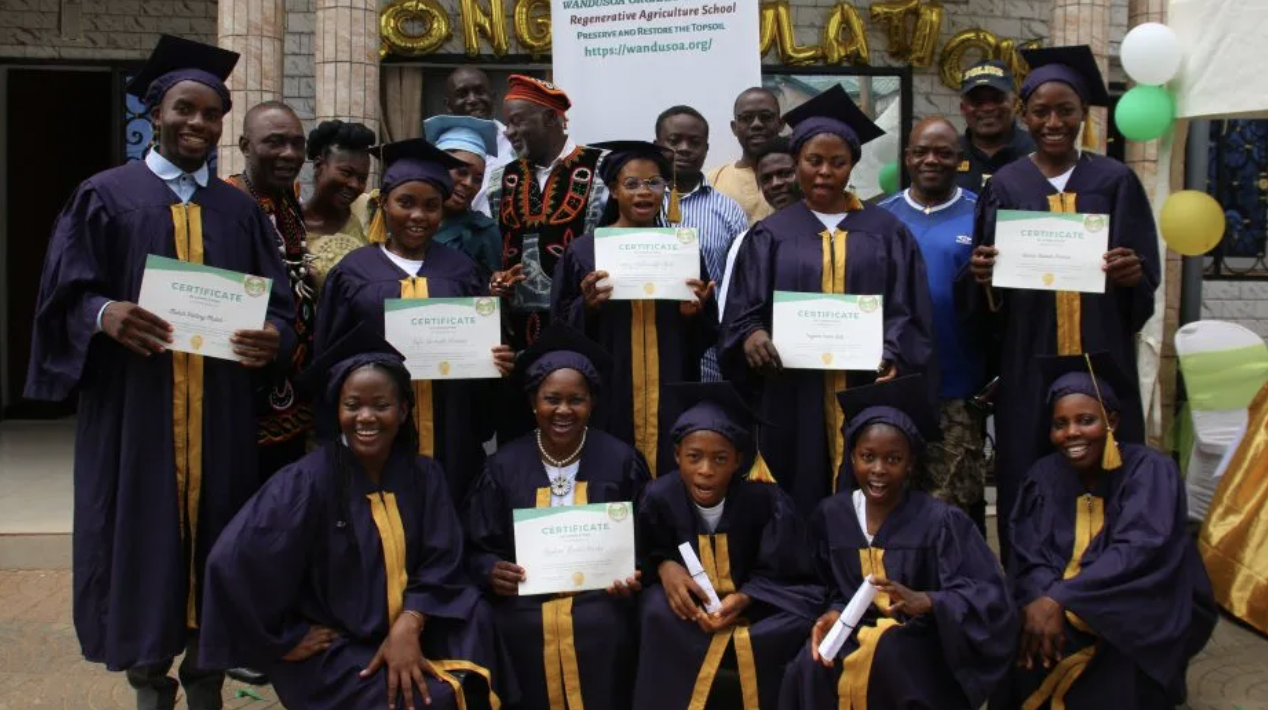
The Revitalize and Protect TopSoil Cameroon initiative is focused on restoring soil vitality and promoting regenerative agriculture on a 10-hectare farm in central Cameroon. The project aims to not only boost food security, and enhance livelihoods, but also to empower marginalized youth through hands on education in sustainable agriculture by incorporating agroforestry, permaculture, and organic farming methods.
Developing a Regenerative Agriculture Model
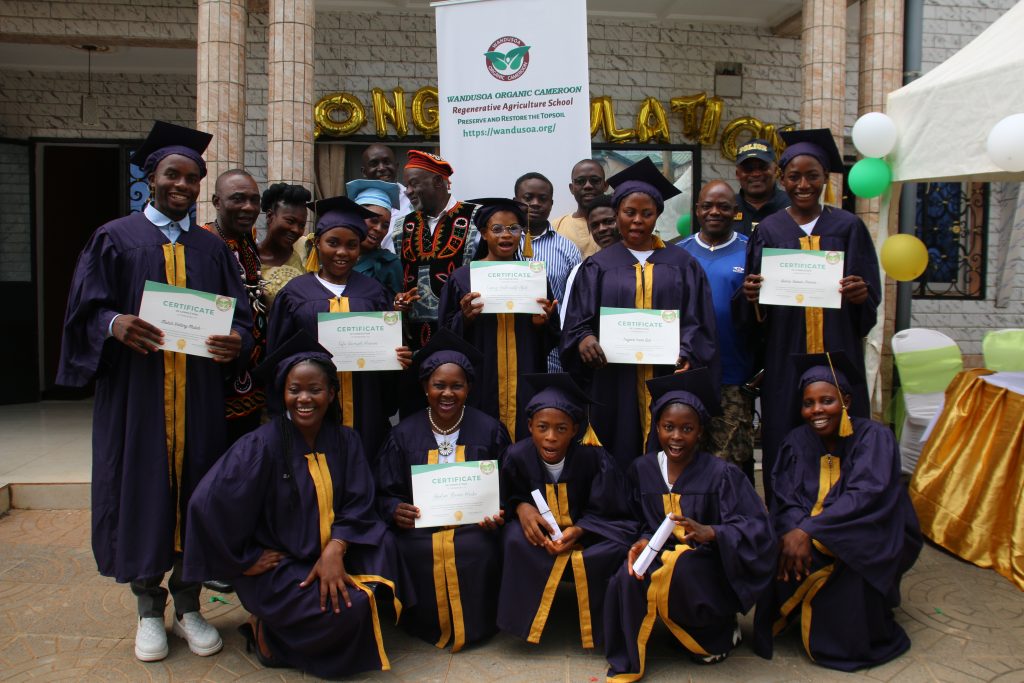
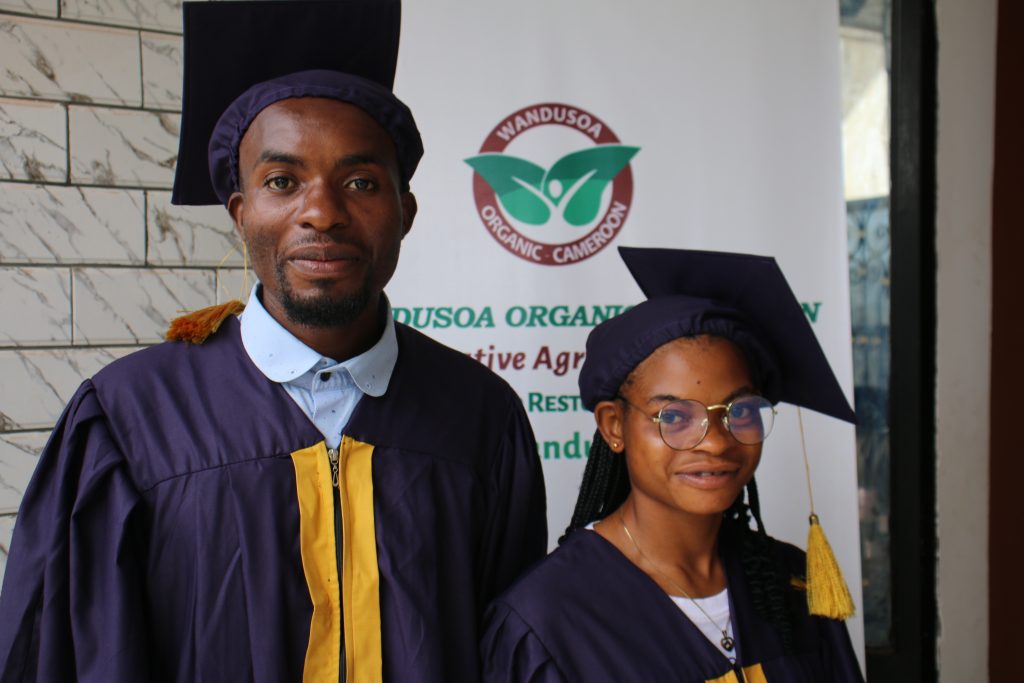
At the heart of this initiative is a regenerative agriculture school that offers both academic and practical training. Students receive instruction in traditional subjects like Mathematics and English while gaining hands on experience in agroforestry, beekeeping, and livestock rearing. This “learning by doing” model equips participants with the skills needed for success in the regenerative agriculture industry, whether through employment or entrepreneurship. On campus small businesses produce and sell organic goods, providing income for the school and giving students real world business experience.
Restoring Ecosystems and Enhancing Biodiversity
The project aims to improve soil health and biodiversity by adopting agroforestry and organic farming. Planting trees alongside crops enhances yields and helps restore local ecosystems. This food forest model illustrates how agriculture can be vital in regenerating landscapes and addressing climate change.
Tackling Development Challenges
Farmers in Cameroon face the pressing issues of soil degradation, unsustainable farming practices, and limited market access. This project addresses these challenges by training farmers in regenerative methods and offering access to a revolving fund. The holistic approach fosters economic development by creating a sustainable local food economy, providing alternatives to poverty, and promoting resilience.
Strengthening Livelihoods and Market Access
A key focus of the project is to help farmers access larger regional and international markets by scaling up production and offering technical support. This is expected to create stable income streams, enhance economic security, and lay the groundwork for long term growth.
Social and Economic Impact
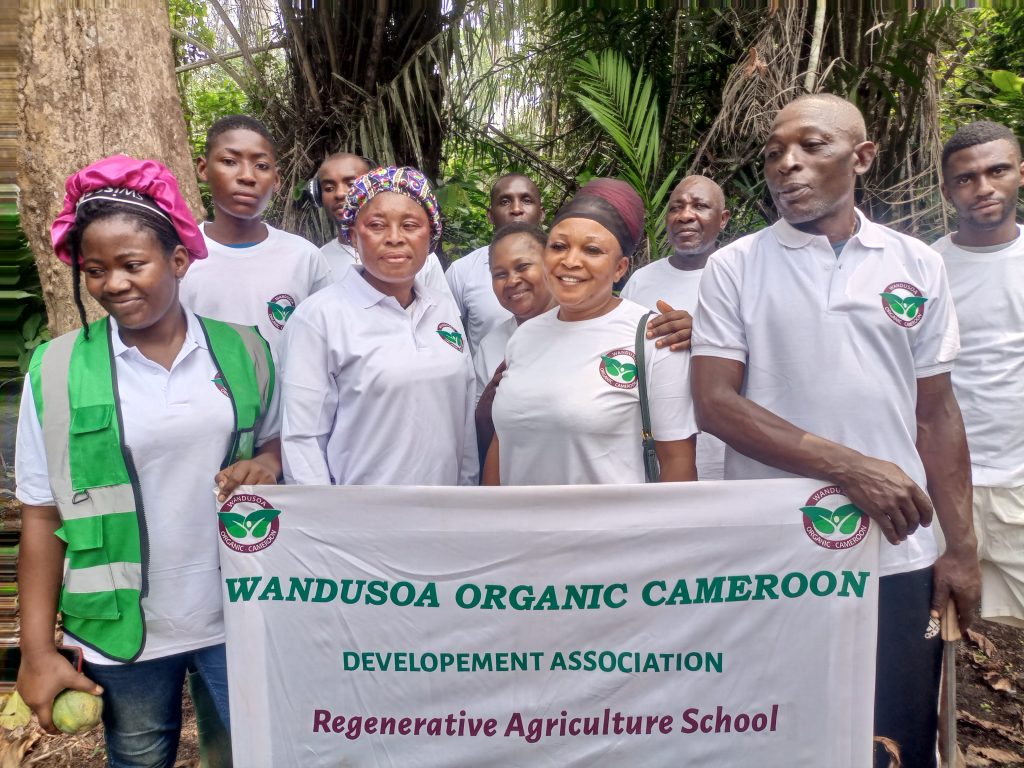
The initiative empowers communities by providing training that builds leadership and promotes education. Farmer cooperatives are developed and equipped with tools for sustainability, enhancing social cohesion, and offering economic alternatives to rural areas. These efforts aim to create lasting social change by fostering resilience and inclusivity.
Environmental Impact
The project’s agroforestry practices will improve soil quality, increase biodiversity, and boost carbon sequestration. The initiative reduces deforestation, enhances water retention, and restores ecosystems by planting trees alongside crops, showcasing how regenerative agriculture can contribute to climate change mitigation.
A Vision for the Future
The Revitalize and Protect TopSoil Cameroon project envisions a future where regenerative agriculture sustains communities and restores the environment. Focusing on agroforestry, education, and market connectivity, the project aims to inspire the widespread adoption of regenerative practices throughout the region. This initiative is poised to transform Cameroon’s agricultural landscape, promoting environmental restoration, social empowerment, and economic development.
Conclusion
The Revitalize and Protect TopSoil Cameroon project offers a transformative approach to farming in the region. Promoting regenerative agriculture, environmental restoration, and farmer empowerment aims to improve livelihoods, restore ecosystems, and create a sustainable agricultural model for the future. Helping farmers diversify their income and adopt resilient practices, this initiative will contribute to long-term economic and environmental sustainability in Cameroon.