

Revitalizing the Caatinga in Piauí, Brazil
- DefinitionDevising project idea, defining the aim and main components
- DesignSpecifying details such as time-frame, budget, target indicators, project partners and relevant steps to reach the project objectives
- Open to FinancingSearching and securing funding and investment, setting up relevant financing partnerships, and discussing payment modalities
- ImplementationExecution of feasibility studies, context analysis, plot design, planting and setting up facilities and starting with potential capacity-building
- MaintenanceOperational phase (monitoring and evaluation, impact assessments and adjustments, execution of educational programmes and long-term capacity building)
- Scaling UpScaling up phase is when the project it has already shown success by obtaining impact as well as economic results and it's ready to become replicable.
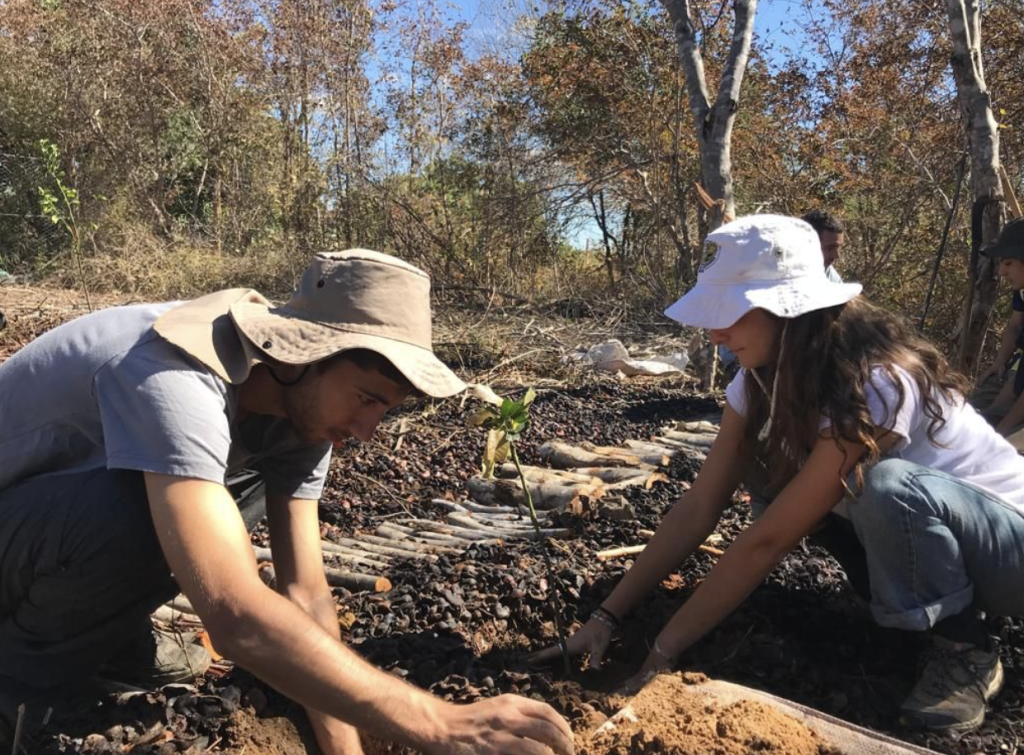
By restoring 1000 hectares of degraded land through agroforestry, this project aims to regenerate the native forest, enhance biodiversity, and support local communities through sustainable practices like beekeeping and cashew farming. With the participation of local farmers, this initiative is fostering resilience and creating a model for sustainable development in the region.
The Challenge: Deforestation and Soil Degradation
The Caatinga biome is a unique ecosystem, home to a wide variety of plant and animal species. However, it has suffered from extensive deforestation and land degradation, leading to reduced biodiversity and poor soil health. For the communities in Piauí, this has meant declining agricultural productivity and economic instability. This project addresses these interconnected challenges by focusing on the restoration of native trees and the introduction of sustainable farming practices.
The Solution: Agroforestry for Regeneration
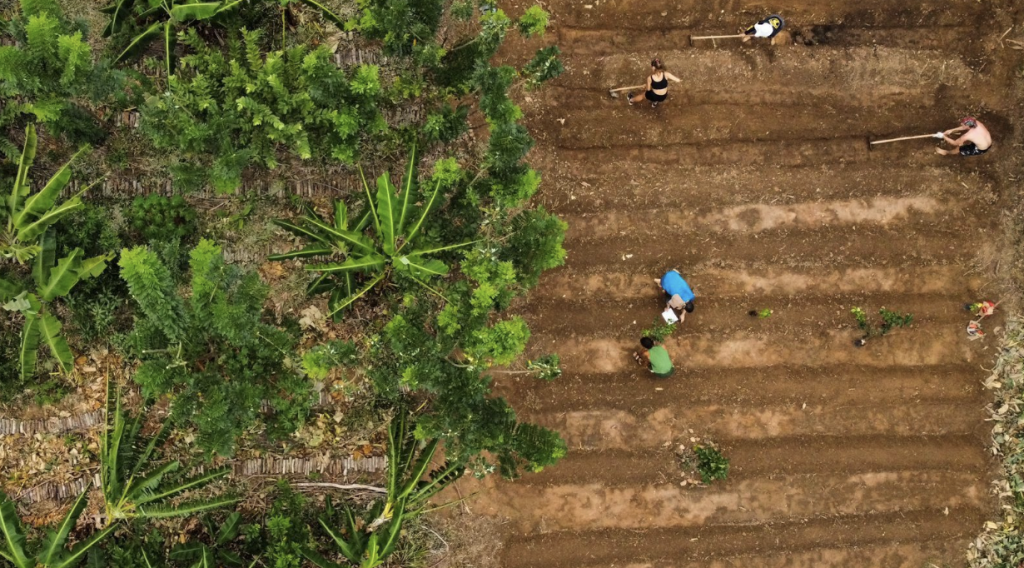
Agroforestry, the integration of trees and crops, is at the core of the project. By planting native tree species alongside cashews and other crops, the project seeks to improve soil health, prevent erosion, and create more resilient farming systems. The reforestation efforts will help the soil retain moisture and provide shade, which is crucial in the semi arid climate of the Caatinga.
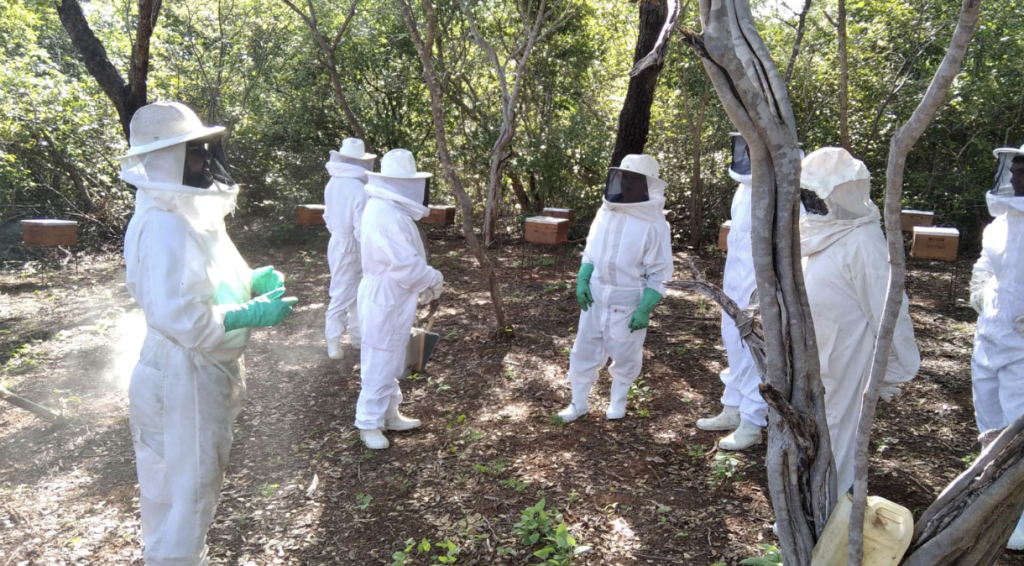
In addition to the environmental benefits, agroforestry offers economic opportunities. Farmers are being trained in sustainable agricultural techniques that improve yields and promote biodiversity. The project directly involves 28 local families, with plans to expand beekeeping initiatives to 250 more, providing alternative income sources through honey production.
Building Livelihoods: Beekeeping and Cashew Farming
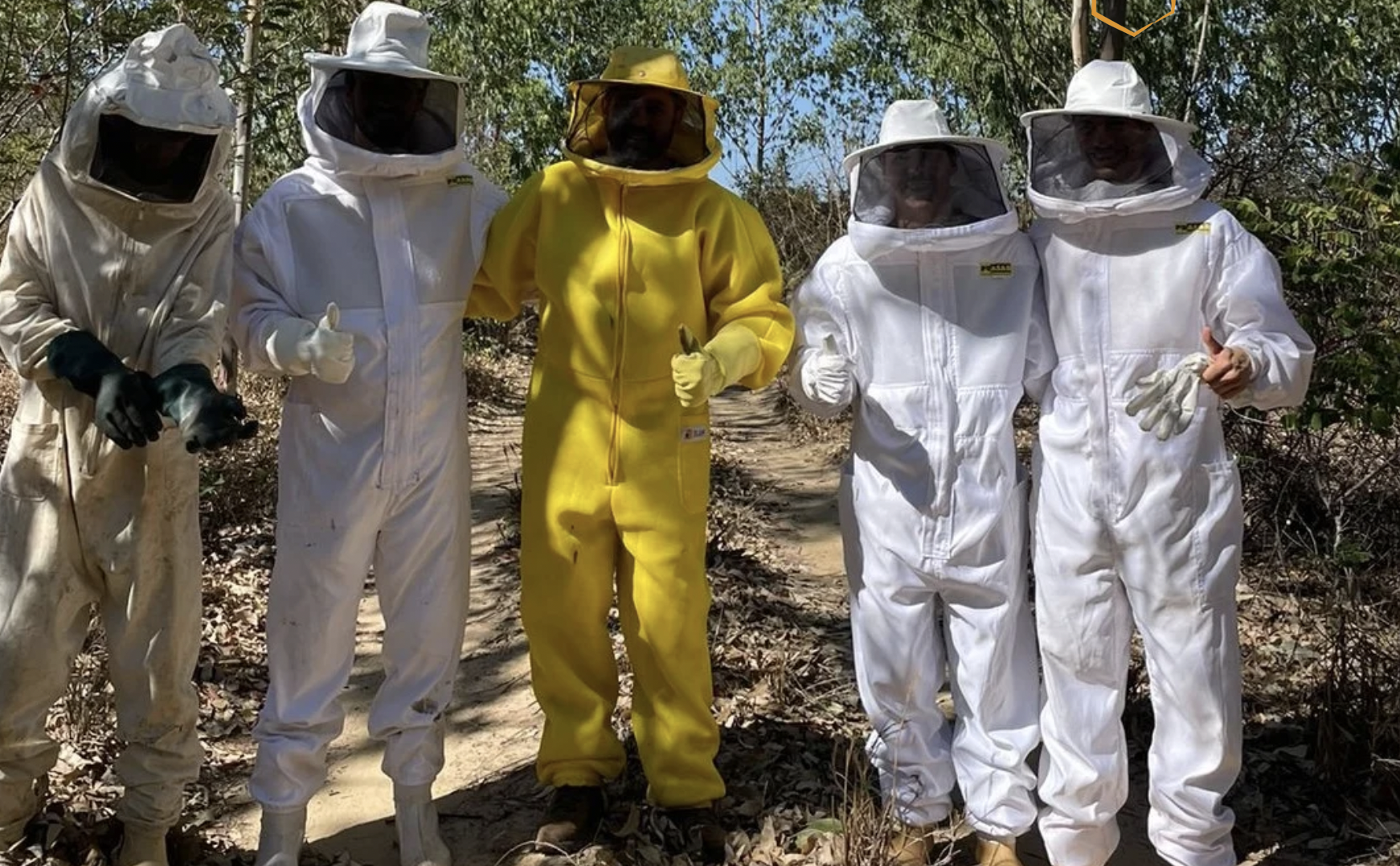
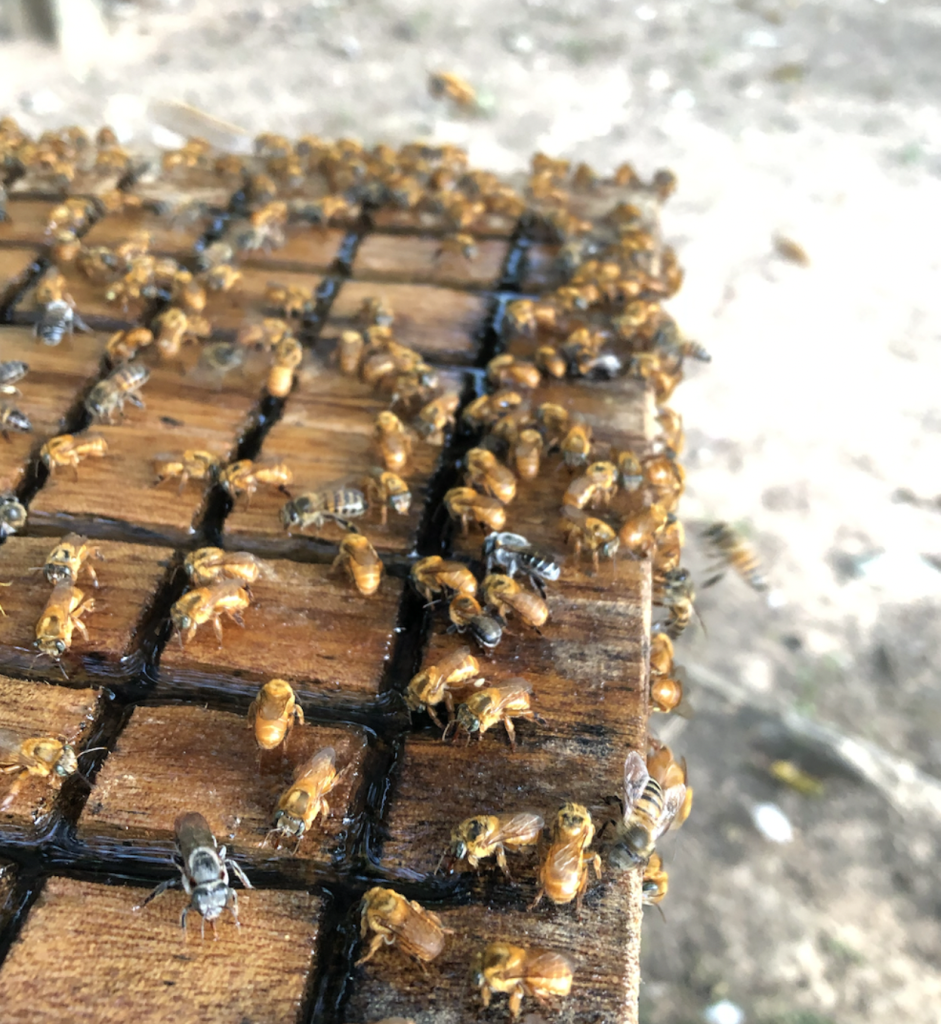
Honey and cashews are central to the project’s economic strategy. Beekeeping, in particular, is a sustainable practice that boosts local biodiversity while generating income for farmers. By supporting the production and processing of honey and cashews, the project helps farmers diversify their income streams, reducing their dependence on traditional farming methods that contribute to soil degradation.
Small processing industries are being developed to add value to these products, creating a self sustaining economic model for the community. This approach not only improves livelihoods but also strengthens the local economy, ensuring long term financial stability.
A Broader Vision: Sustainable Development and Environmental Restoration
This project is more than just an environmental initiative – it’s a model for sustainable development that combines ecological restoration with community empowerment. By focusing on training, knowledge-sharing, and market connections, the project creates opportunities for farmers to adopt sustainable practices and improve their economic resilience.
The reforestation efforts are crucial for the long term health of the Caatinga biome. Native trees help restore the soil, improve water retention, and create habitats for wildlife, contributing to the overall biodiversity of the region. As the project grows, it has the potential to expand across additional hectares, offering a scalable solution for environmental and economic challenges in similar regions.
Conclusion
These efforts demonstrate how sustainable agricultural practices can benefit both the environment and local communities. By combining agroforestry, beekeeping, and cashew farming, the project is restoring degraded lands, enhancing biodiversity, and providing economic opportunities for farmers in the Caatinga biome. This initiative offers a practical, replicable model for sustainable development in Brazil, with the potential to be scaled to other regions facing similar challenges.


