

Transforming Avocado Farming in Kenya
- DefinitionDevising project idea, defining the aim and main components
- DesignSpecifying details such as time-frame, budget, target indicators, project partners and relevant steps to reach the project objectives
- Open to FinancingSearching and securing funding and investment, setting up relevant financing partnerships, and discussing payment modalities
- ImplementationExecution of feasibility studies, context analysis, plot design, planting and setting up facilities and starting with potential capacity-building
- MaintenanceOperational phase (monitoring and evaluation, impact assessments and adjustments, execution of educational programmes and long-term capacity building)
- Scaling UpScaling up phase is when the project it has already shown success by obtaining impact as well as economic results and it's ready to become replicable.
For centuries, Kenya’s rich highlands have been a cradle of agricultural abundance. From the days when communities traded indigenous grains and livestock along ancient trade routes, farming has been the lifeblood of the nation – a source of identity, resilience, and economic vitality. But in recent decades, a new crop has taken root in Kenya’s soil, one that is reshaping rural economies and putting the country on the global map: avocado.
Also known as the “green gold”, avocado first arrived to Kenya in the early 20th century, brought by colonial settlers who introduced the fruit from Central America. Initially grown in small quantities for local consumption, avocados remained in the shadows of tea, coffee, and maize. As global demand for avocados skyrocketed in the 21st century, Kenya’s potential as an avocado producer came into focus.
However, the popularity of avocado has resulted in deforestation, and the popularized monocultures have been depleting soil nutrition as well as increasing pest risks. Investors aiming for profit have been focusing on practices that improve the quantity of yields at a quick rate, which have damaged the soil health.
Thus, as reNature, we are collaborating with I Choose a Tree Initiative Africa in order to take a step towards supporting the lands and communities of Kenya. With the right support, smallholder farmers have the power to restore the land, strengthen their communities, and create sustainable income for the future.
This project seeks to equip farmers with practical, scalable regenerative solutions. By combining traditional knowledge with innovative agroforestry techniques, farmers will improve soil health, diversify crops, and build resilience in the face of climate shocks.
The Vision
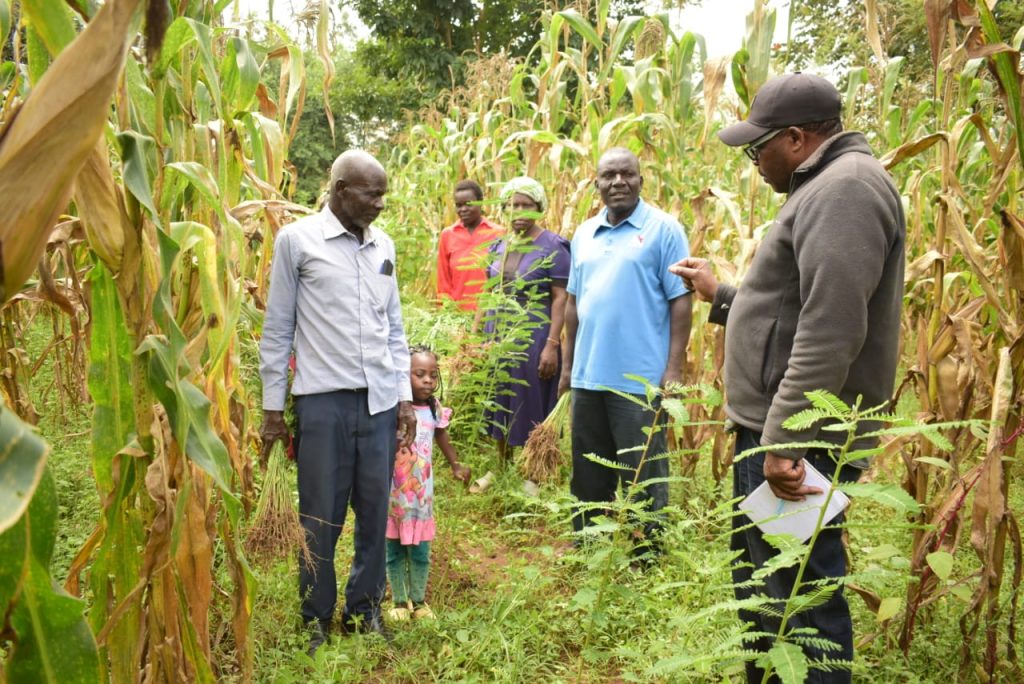
This initiative aims to directly support 200 farmers in its first year, with an anticipated snowball effect reaching over 1,000 more through established community networks. By the end of the third year, up to 2,400 farmers and their families could benefit from this regenerative approach as knowledge, techniques, and successes spread across the region.
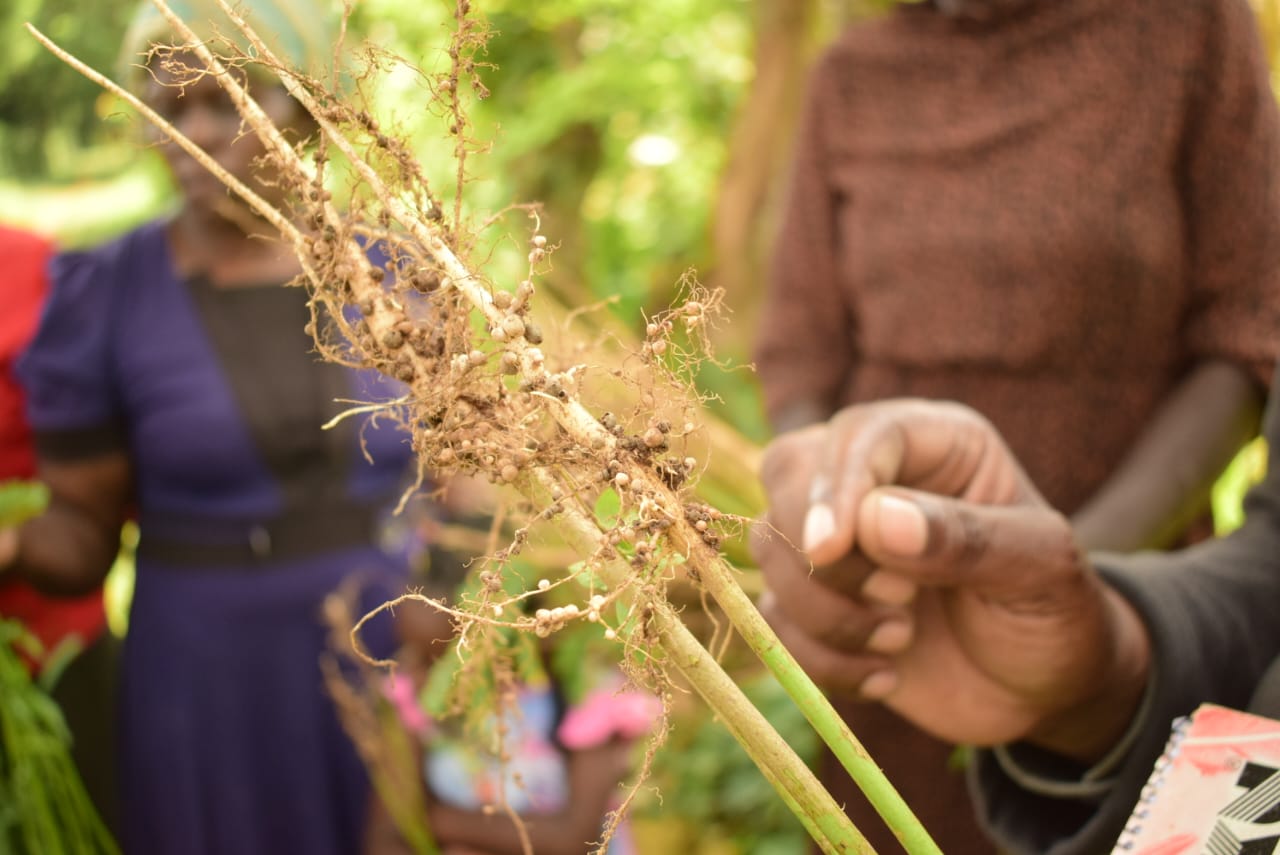
By integrating high-value crops like avocados alongside timber and fodder species, farmers will be able to restore degraded land while building dependable and diversified income streams. As part of the agroforestry systems, nitrogen-fixing trees and shrubs – like Sesbania sesban – will be promoted and planted alongside avocados. These trees naturally enrich the soil by restoring nitrogen levels, reducing the need for synthetic fertilizers. In addition, cover crops will be planted to protect and stabilize the soil, suppress weeds, and further enhance soil fertility. Together, these practices ensure that avocado cultivation not only sustains but actively restores the land over time.
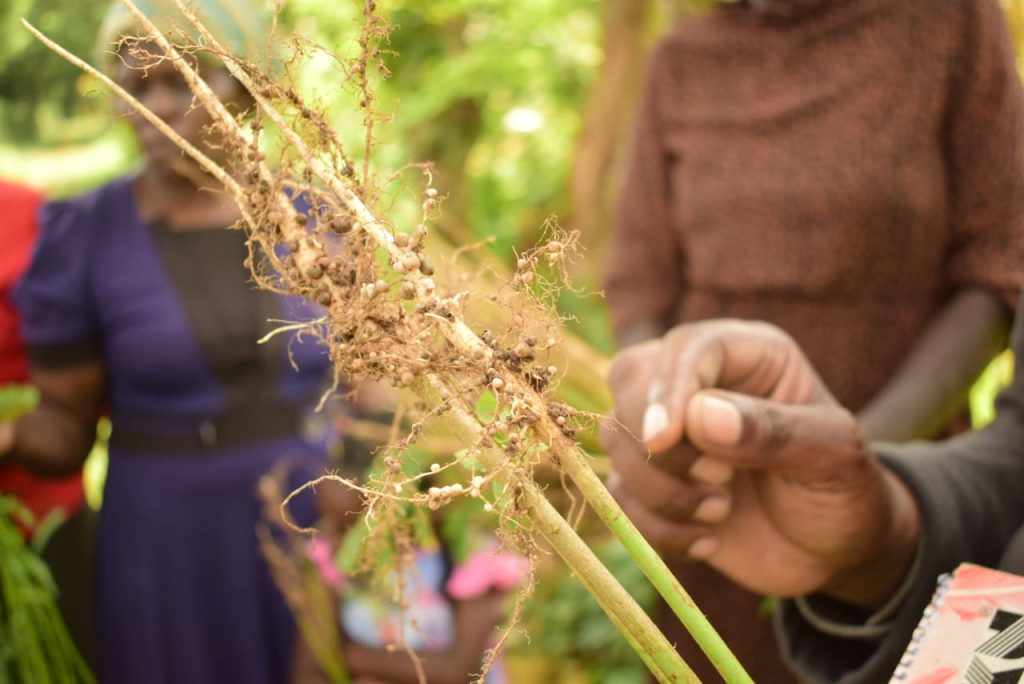
Our model farms will serve as hands on learning hubs where farmers can further implement regenerative practices as pilot projects. With 162 hectares of land available, the project is set to expand the principles of regeneration practiced on the model farms throughout the land.
Environmental Benefits
Diversified farming systems will enrich biodiversity and enhance soil health. Shade trees and organic mulch will improve water retention, reducing vulnerability to droughts and strengthening irrigation methods. Regenerative practices will help stabilize ecosystems and restore long-term land productivity.
Social Benefits
Strengthened farmer cooperatives will promote collaboration and collective success. Enhanced food security will lead to healthier, more self-reliant communities, while tailored training programs will empower farmers with lasting skills and knowledge.
Economic Benefits
Improved avocado yields and diversified cropping systems will generate sustainable income streams. We also aim to better the market access in order to boost profitability and financial security for the community.
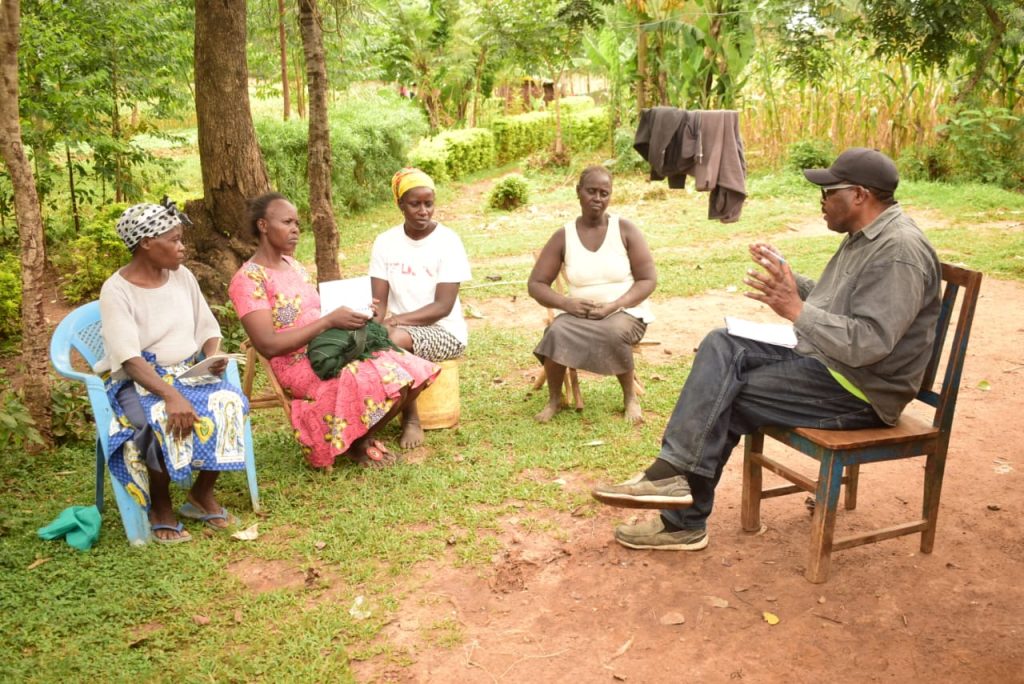
By restoring soils, empowering farmers, and strengthening communities, this project offers a new perspective on avocado farming.
This initiative is currently open to partnerships and funding to bring its vision to life. By investing in regenerative avocado agroforestry, you help create thriving communities, restore vital landscapes, and build lasting prosperity for the community and their ancestral lands.