

Upscaling regenerative agriculture in North Eastern Uganda
- DefinitionDevising project idea, defining the aim and main components
- DesignSpecifying details such as time-frame, budget, target indicators, project partners and relevant steps to reach the project objectives
- Open to FinancingSearching and securing funding and investment, setting up relevant financing partnerships, and discussing payment modalities
- ImplementationExecution of feasibility studies, context analysis, plot design, planting and setting up facilities and starting with potential capacity-building
- MaintenanceOperational phase (monitoring and evaluation, impact assessments and adjustments, execution of educational programmes and long-term capacity building)
- Scaling UpScaling up phase is when the project it has already shown success by obtaining impact as well as economic results and it's ready to become replicable.
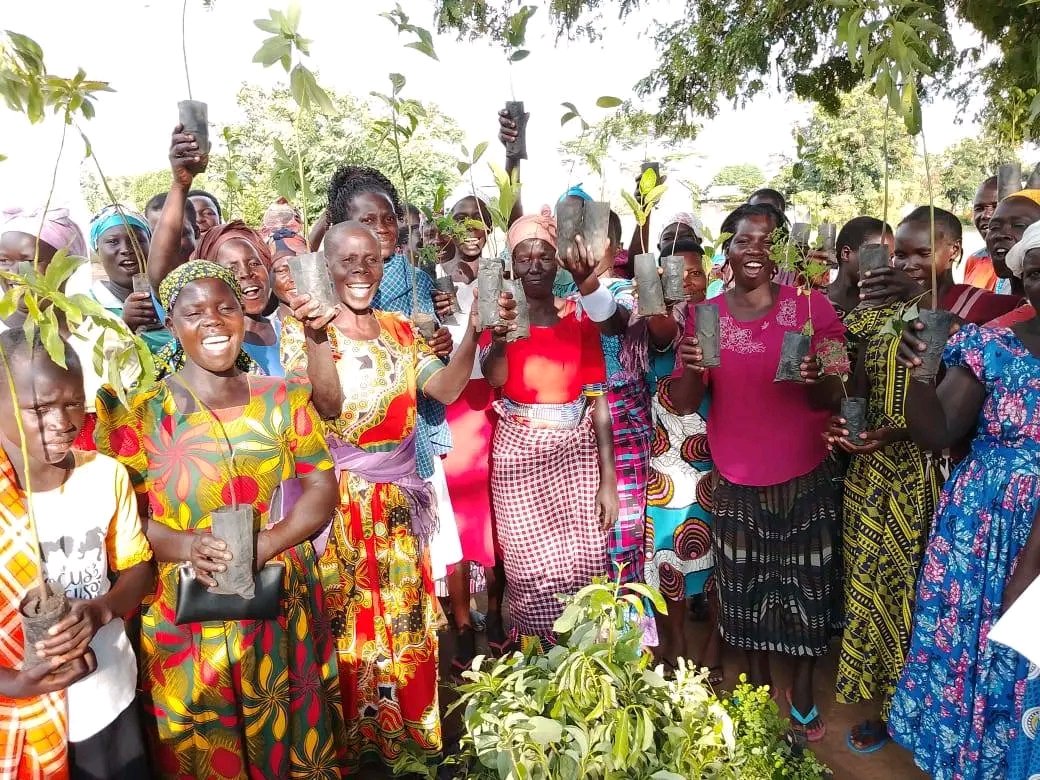
North Eastern Uganda is a region where most households rely on smallholder, rain-fed farming. Climate variability, degraded soils, and limited access to finance, land, and technical support place increasing pressure on rural livelihoods. AYOLO Farmers and Training Consults Ltd, a grassroots organisation founded in 2011, works directly with farmers across the region to address these challenges through practical, regenerative approaches. Today, AYOLO supports more than 1,300 farmers across 30 groups.
In partnership with reNature, AYOLO will establish a 6-hectare regenerative Model Farm in Kapelebyong. The site will serve as a hands-on learning hub where farmers come together to work, experiment, and learn from one another while scaling agroforestry, soil restoration, and climate-resilient production.
Can smallholders adapt to drought and degraded soils?
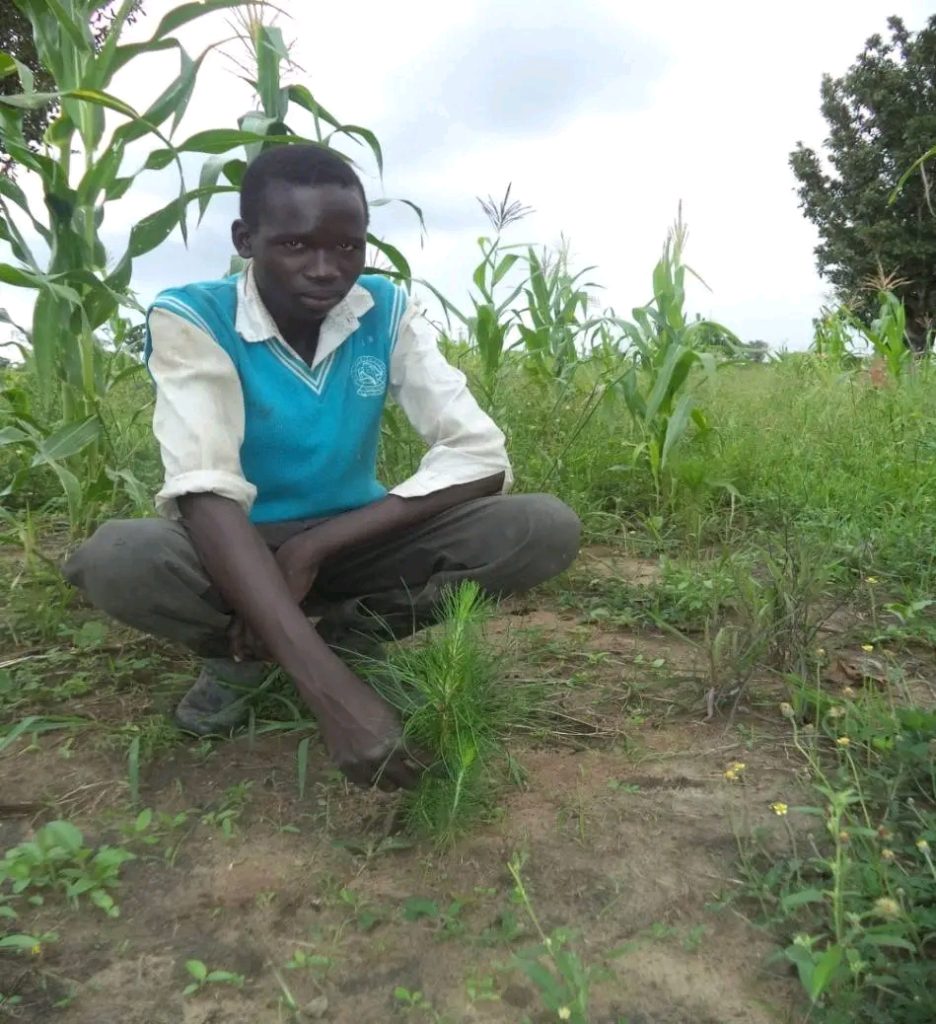
Agriculture in North Eastern Uganda is increasingly shaped by prolonged dry spells, erratic rainfall, and declining soil fertility. Years of intensive tillage, monocropping, and vegetation loss have reduced soil structure and water-holding capacity, leaving farms vulnerable during dry seasons. With agriculture largely rain-fed, even short interruptions in rainfall can disrupt planting and harvest cycles.
Many farmers want to change how they farm but lack access to practical demonstrations that show how regenerative practices work under local conditions. As climate pressures intensify, these constraints threaten food security, incomes, and the long-term viability of smallholder farming systems.
What solution can restore soils and livelihoods?
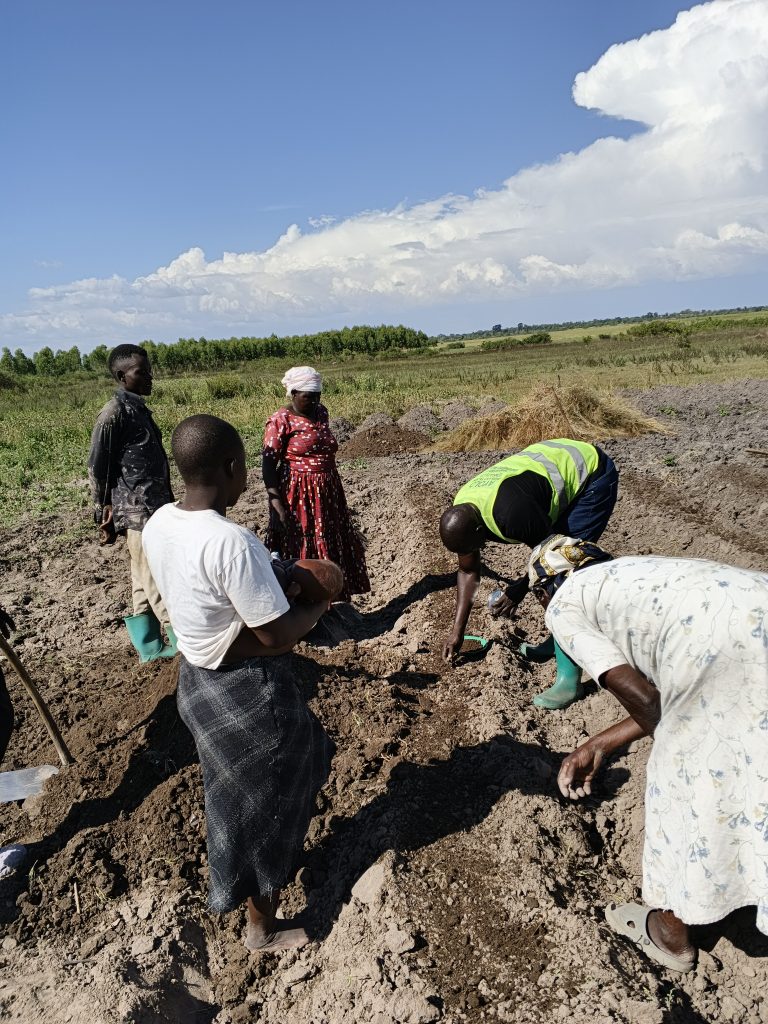
AYOLO and reNature will co-design and implement a Regenerative Agriculture Model Farm and Capacity Building School in Kapelebyong. On the ground, farmers will see and work with diversified systems that integrate onions and bananas intercropped with cover crops such as beans, maize, pumpkins, and watermelons. These annual crops will be combined with fruit trees including mango, jackfruit, and avocado, alongside nitrogen-fixing and timber species. Soil regeneration practices—such as composting, mulching, biochar application, contouring, and water harvesting—will be applied and refined through hands-on work days, where farmer groups take part in activities such as compost preparation, swale construction, and planting.
The Model Farm will be strategically located to serve farmer groups across the region, with an expected reach of more than 3,000 farmers. In addition to the main site, trained farmers will establish smaller satellite demonstration plots on volunteered land within their communities, allowing learning to continue beyond the farm itself.
How will this project restore ecosystems?
The farm design brings together trees, crops, soil cover, and livestock in a multi-layered system that reflects how natural ecosystems function. Trees improve soil structure and microclimates, ground cover protects against erosion, and livestock waste is composted and returned to the soil. Over time, these practices rebuild soil organic matter, improve water infiltration, and increase on-farm biodiversity, restoring ecological function across a highly climate-exposed landscape.
How will the project empower communities?
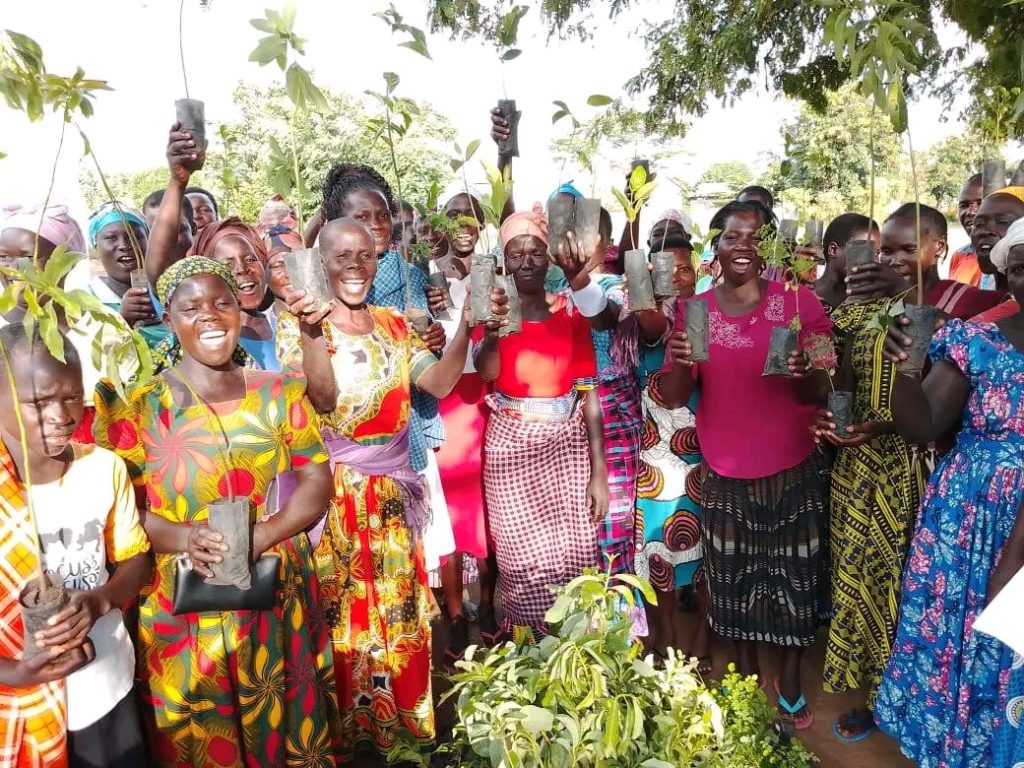
Learning at the Model Farm is practical and participatory. Farmers attend training sessions and work together in the land, returning to their farms with techniques they have already applied themselves. Follow-up support helps farmers adapt what they learned to their own plots and share it with neighbours. This approach strengthens local leadership and builds a network of farmers who act as reference points for regenerative agriculture in their communities.
What are the economic benefits for farmers?
The Model Farm is designed to generate short-, medium-, and long-term income streams through diversified crops, tree products, and improved productivity. Healthier soils reduce input costs and stabilise yields, while crop diversity spreads risk and improves household food supply. AYOLO is also exploring regenerative value chains and local organic markets, enabling farmers to sell produce grown without synthetic inputs and improve income stability.
What is the long-term vision?
The Kapelebyong Model Farm will serve as a regional anchor for regenerative agriculture in North Eastern Uganda. Building on AYOLO’s existing network of 30 farmer groups and expanding to an estimated 120 groups, the project scales impact while remaining firmly farmer-led. As implementation progresses, learning from the site will inform replication across the region, contributing to a practical, locally grounded model for regenerative agriculture in Uganda and beyond.


