Cassava
Cassava, also known as manioc or yuca, is a resilient root crop with deep cultural and agricultural significance across tropical regions. Indigenous to South America, cassava has been a staple in the diets of millions, where it plays a vital role in ensuring food security and supporting local economies.

Nutritional Powerhouse and Economic Asset
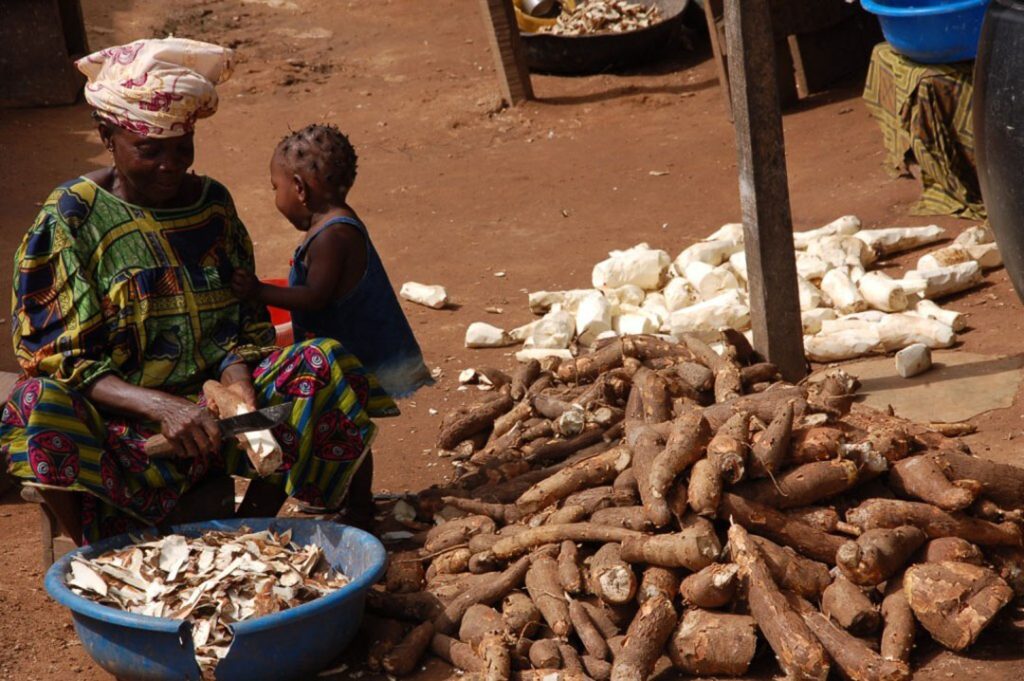
Cassava is rich in carbohydrates, making it a crucial energy source in regions prone to food insecurity. It is versatile in its consumption, whether boiled, fried, or processed into flour, starch, or tapioca. Beyond its dietary contributions, cassava is economically valuable due to its low input costs and adaptability. Its by products, such as cassava peels, can be used for animal feed, further increasing its utility in farming communities.
The starch from cassava is widely used in industrial applications, including in the production of biofuels, paper, and textiles, which opens up opportunities for smallholder farmers to tap into diverse markets.
Enhancing Soil Health and Biodiversity
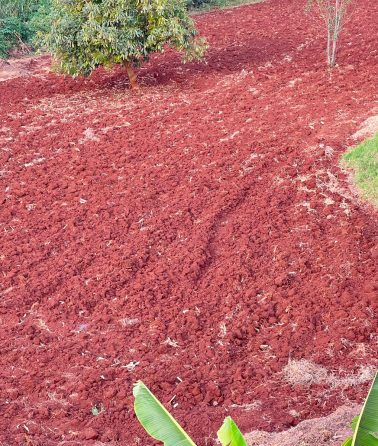
Cassava’s robust root system plays a key role in regenerative agriculture. The plant helps prevent soil erosion, especially on sloped or degraded land. By growing in poor soils where other crops may struggle, cassava acts as a soil cover, protecting land from degradation and supporting soil regeneration. Its organic matter can be returned to the soil, further enhancing fertility and promoting nutrient cycling.
Integrating cassava into agroforestry systems also supports biodiversity by creating a microenvironment that can support other crops, trees, and wildlife, improving the overall health of farming ecosystems.
Climate Resilience and Adaptability
One of cassava’s greatest strengths is its ability to thrive in poor soils and under harsh conditions, including drought. Its drought tolerance makes it a key crop in regions facing increasingly unpredictable weather patterns due to climate change. Cassava can survive for long periods without water, offering food security even during prolonged dry seasons, making it indispensable in semi arid and tropical climates.
Ideal for Sustainable Farming Systems
Cassava’s low input requirements make it ideal for smallholder farmers, allowing them to grow a productive crop without relying on chemical fertilizers or intensive irrigation. It can be intercropped with legumes, trees, or cereals, fostering biodiversity and optimizing land use. This makes it a cornerstone in sustainable farming systems focused on improving productivity while reducing environmental impact.
Empowering Smallholder Farmers
Cassava is a lifeline for smallholder farmers across the tropics. Its resilience, combined with its high market demand, provides farmers with a reliable income stream. Cassava’s ability to be processed into a variety of products – from flour to biofuel- means it has diverse market potential, supporting both local food systems and international trade.
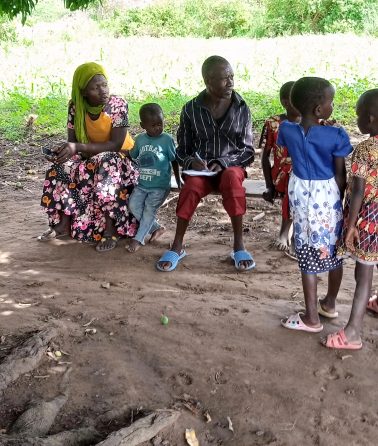
At reNature, we support farmers in integrating cassava into regenerative farming systems. By promoting the cultivation of cassava, we aim to enhance food security, diversify incomes, and regenerate degraded lands, creating a sustainable future for communities that depend on this crop.