

Greenloop Foundation: Agriculture for Life & WASH Initiative
- DefinitionDevising project idea, defining the aim and main components
- DesignSpecifying details such as time-frame, budget, target indicators, project partners and relevant steps to reach the project objectives
- Open to FinancingSearching and securing funding and investment, setting up relevant financing partnerships, and discussing payment modalities
- ImplementationExecution of feasibility studies, context analysis, plot design, planting and setting up facilities and starting with potential capacity-building
- MaintenanceOperational phase (monitoring and evaluation, impact assessments and adjustments, execution of educational programmes and long-term capacity building)
- Scaling UpScaling up phase is when the project it has already shown success by obtaining impact as well as economic results and it's ready to become replicable.
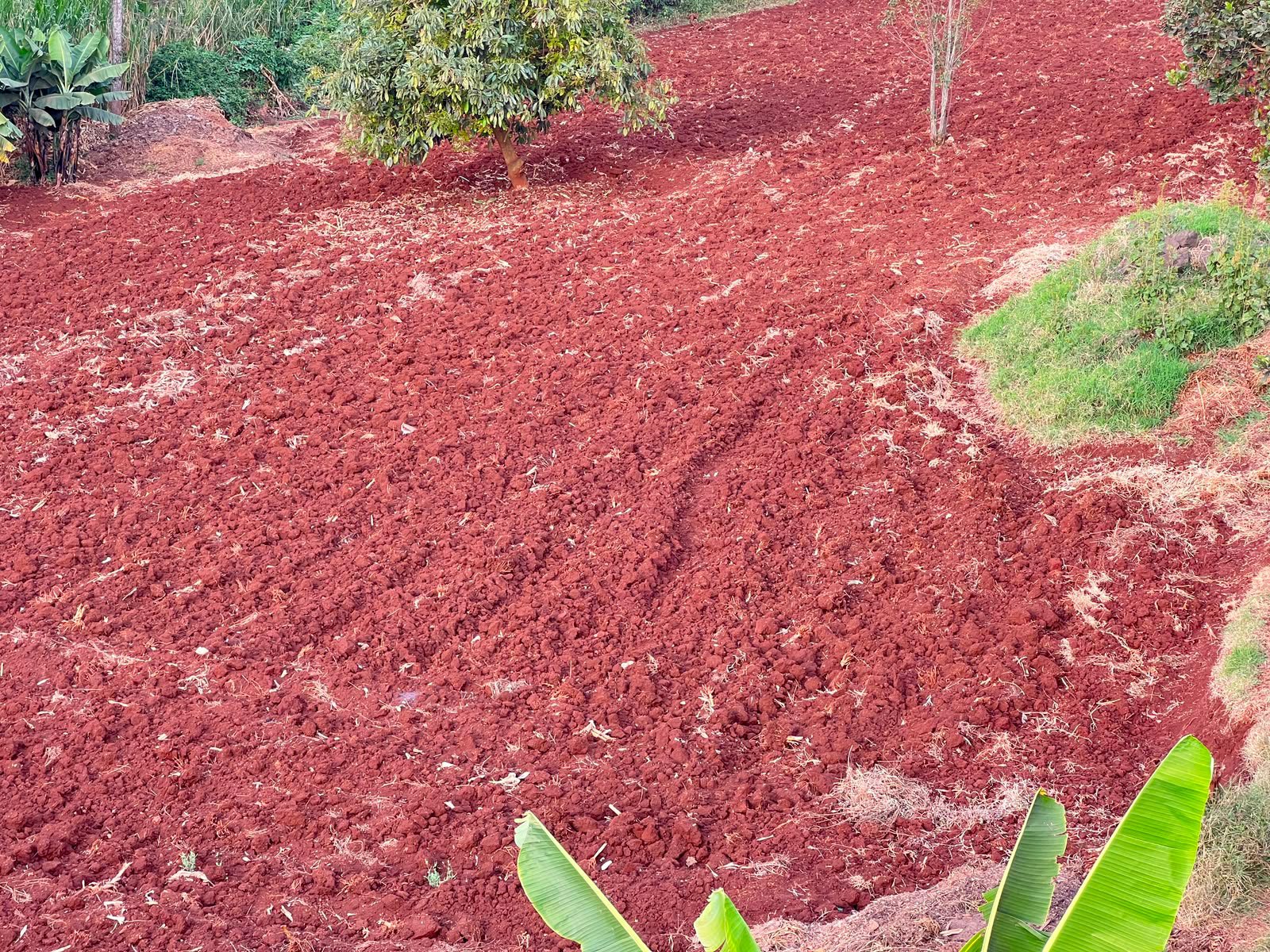
Greenloop Foundation’s Agriculture for Life & WASH Initiative aims to create a practical pathway toward healthier soils, stronger livelihoods and more resilient farming communities in Homa Bay County. Starting with several regenerative demonstration farms, the initiative will combine Model Farms Schools, agroforestry, soil restoration and diversified crop production.
The demonstration farms will serve as hands-on learning centres where farmers can see regenerative practices in action and adapt them to their own farms. The initiative targets 200 farmers and their households, while creating opportunities for knowledge to spread throughout surrounding communities.
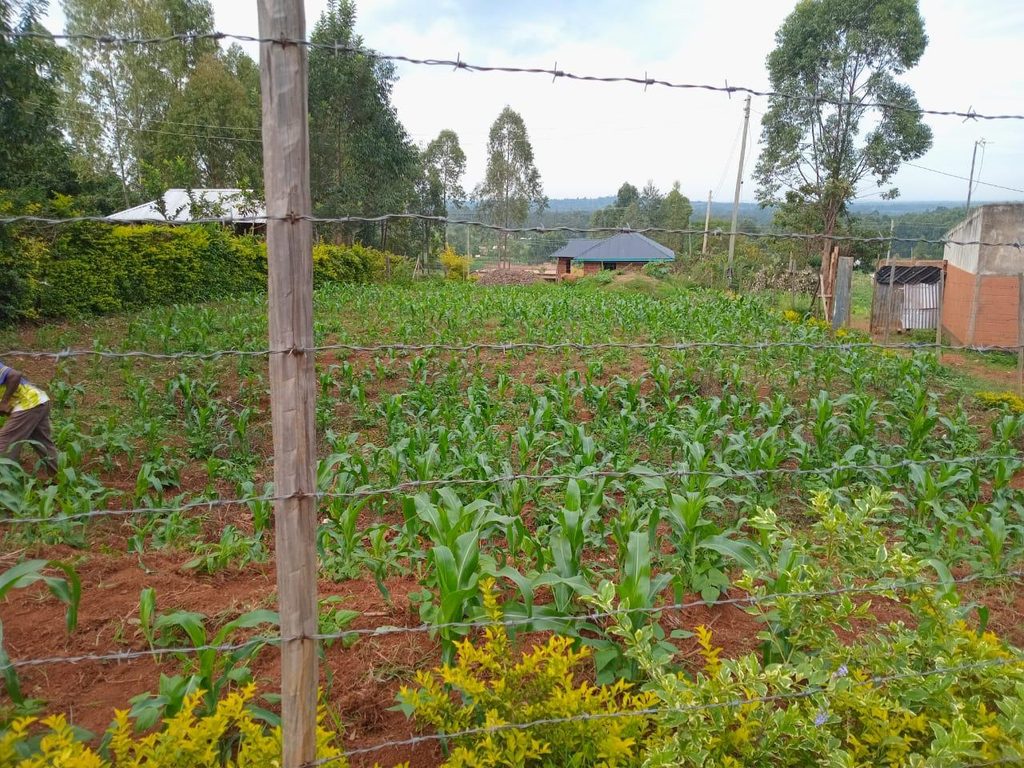
Alongside corn and food crops, Greenloop plans to integrate fruit trees and medicinal plants, creating opportunities for diversified production, processing and stronger market connections. The ambition is to demonstrate how restoring the land can go hand in hand with improving livelihoods and strengthening the resilience of local farming communities.
How can farmers thrive when soils and water decline?
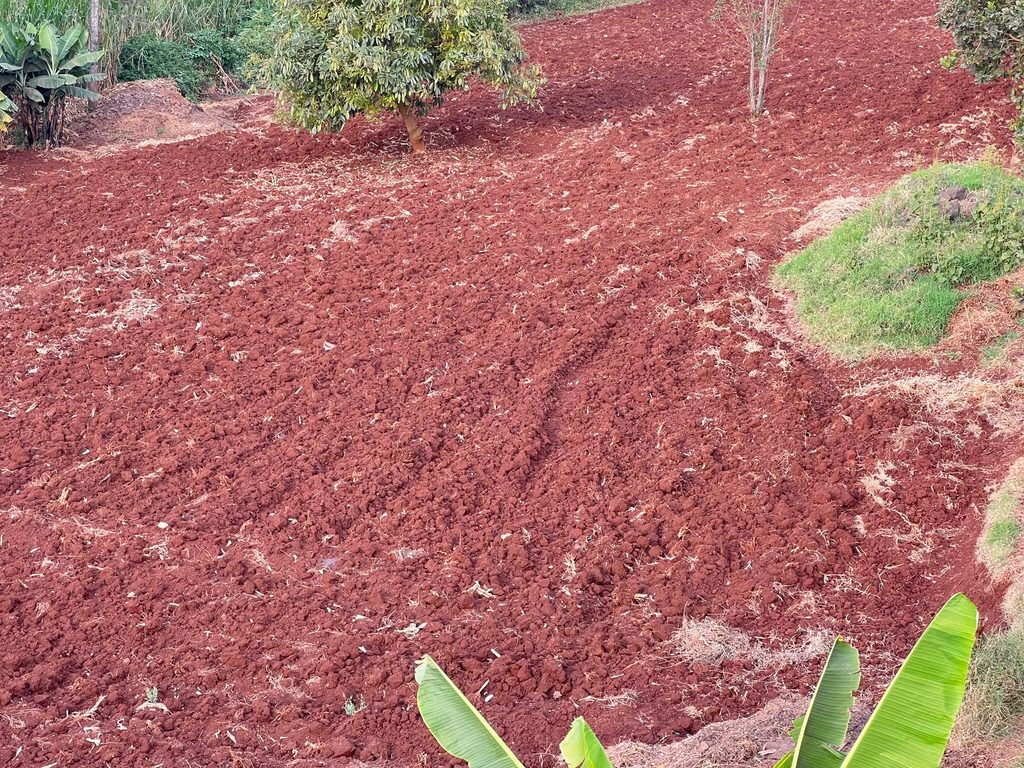
Farmers in Homa Bay County face interconnected challenges that limit agricultural productivity and livelihoods. Degraded soils, deforestation and prolonged drought have reduced soil fertility, water availability and ecosystem resilience. Limited access to reliable water leaves farmers dependent on unpredictable rainfall, restricting consistent agricultural production.
At the same time, many farmers lack practical knowledge of regenerative agriculture and soil restoration techniques that could help reverse land degradation. Poverty and weak market access further constrain opportunities to invest in farms and increase incomes. Together, these challenges contribute to low productivity, vulnerable livelihoods and reduced food security for farming communities across the region.
Can demonstration farms become classrooms for regeneration?
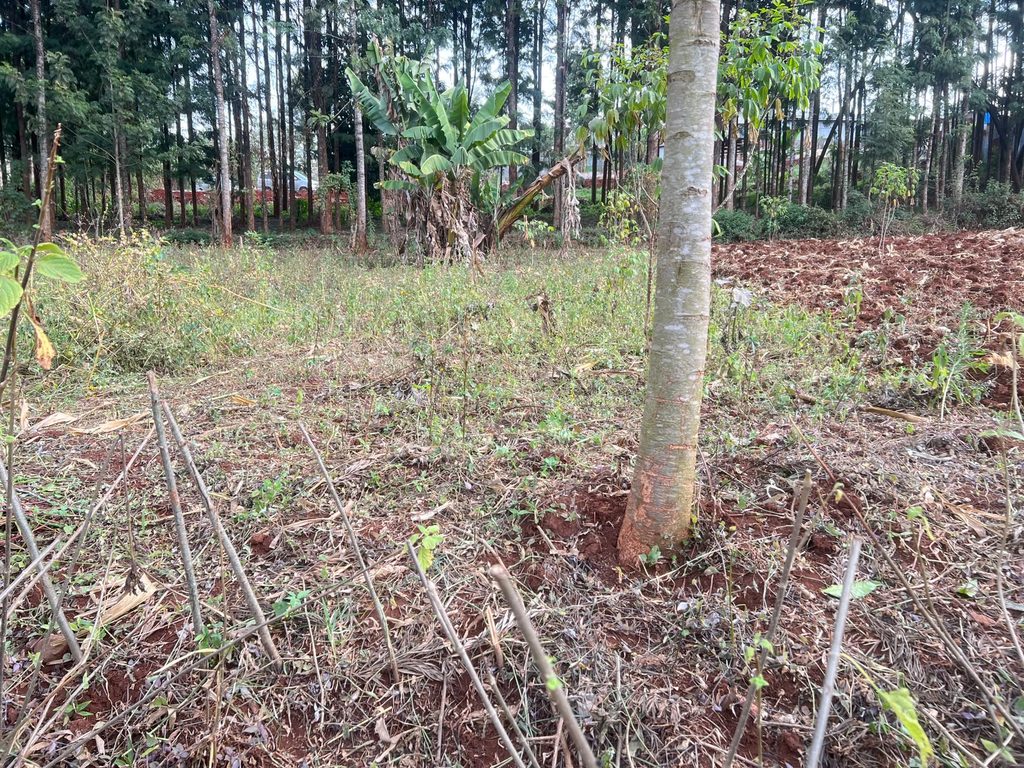
Together with reNature, Greenloop Foundation will establish regenerative demonstration farms that serve as practical Farmer Field Schools for local farmers. The project will introduce soil restoration, agroforestry, crop diversification and improved water management to rebuild soil fertility and strengthen climate resilience.
Farmers will receive hands-on training in regenerative practices that they can adapt and replicate on their own farms, helping knowledge spread throughout the community. The project will also promote diversified production through food crops, fruit trees and medicinal plants.
reNature can support Greenloop with technical expertise in regenerative agriculture, including the design of demonstration farms and guidance on agroforestry, soil restoration and landscape regeneration. The partnership can also help strengthen the project into an investment-ready initiative and support Greenloop in attracting funding for demonstration farms and regenerative agriculture implementation.
How can farming help restore the landscape?
The project aims to make agricultural production part of Homa Bay’s ecological recovery. Regenerative practices can rebuild soil health, improve water infiltration and retention, and reduce dependence on chemical inputs. Agroforestry can increase vegetation cover, strengthen biodiversity and contribute to carbon sequestration in trees and soils. By combining soil restoration, diversified production and agroforestry, the project can strengthen the resilience of farms to drought and other climate pressures. Farmer Field Schools can help these practices spread beyond the initial demonstration sites, supporting broader landscape regeneration.
How can regeneration strengthen local communities?
The initiative is designed to directly support 200 farmers and benefit approximately 2,500 people across their households, with an estimated 5,500 additional people indirectly impacted. Farmer Field Schools can give communities practical knowledge that remains locally available and can be shared from farmer to farmer. By involving farmers directly in demonstration, learning and implementation, Greenloop aims to build local ownership of regenerative practices. The initiative can also create opportunities for women and youth through diversified agricultural production, value addition and emerging rural enterprises.
Can healthier soils create stronger rural economies?
Restoring productivity is only part of Greenloop’s economic ambition. Regenerative practices can help lower production costs, while healthier soils can support more resilient yields. Diversification into fruit, vegetables and medicinal plants can create additional income streams and reduce dependence on a single commodity. Greenloop also intends to strengthen aggregation, processing and market linkages through farmer groups and cooperatives, including exploring institutional and supermarket markets. By connecting regenerative production with value addition and stronger market access, the initiative aims to turn ecological restoration into lasting economic opportunities for participating farming communities.
From model farms to a regenerative landscape
Greenloop’s vision starts with demonstration farms but is designed to encourage wider adoption. These farms can provide tangible examples of how regenerative agriculture works under local conditions, while Farmer Field Schools can transform them into centres for continued learning and knowledge exchange. With technical support and investment, the model could expand from the initial 3–6 hectares into the wider approximately 50-hectare landscape and encourage adoption among surrounding farmers. The long-term ambition is a locally rooted farming system where healthier soils, diversified production, stronger markets and resilient communities reinforce one another.