Thailand
Agriculture is a cornerstone of Thailand’s economy, providing livelihoods for a significant portion of the population and playing a crucial role in food security and exports. The country’s diverse climatic conditions, fertile soil, and abundant water resources make it an ideal location for various agricultural activities. Rice production, fruit and vegetable cultivation, and livestock farming are particularly prominent. This article explores the general agricultural landscape in Thailand and delves into the specific characteristics and challenges of agriculture in the northern region.
Rice Production: Thailand’s Staple Crop
Thailand is renowned as one of the world’s largest rice exporters. Rice cultivation spans across the country, with the central plains being famously referred to as the “rice bowl” of Thailand. This region’s extensive paddy fields benefit from favorable climatic conditions and sophisticated irrigation systems.
In 2023, Thailand exported approximately 7.5 million metric tons (MMT) of rice, generating revenue of around $4.2 billion. Major importers of Thai rice include China, the Philippines, and several countries in Africa and the Middle East. Thai jasmine rice, known for its quality and fragrance, commands a premium price in international markets.
However, rice is not confined to the central plains alone; it is a staple crop grown extensively in almost every part of the country, ensuring food security and supporting the livelihoods of millions of Thai farmers.
Fruit and Vegetable Production
Thailand’s tropical climate allows for the cultivation of a wide variety of fruits and vegetables. The country is a major producer of tropical fruits such as mangoes, pineapples, and durians, which are highly prized domestically and internationally. Additionally, vegetables like chili peppers, cucumbers, and tomatoes are significant crops that contribute to the country’s agricultural diversity and provide essential nutrients to the Thai diet.
Rubber and Palm Oil
In the southern region of Thailand, rubber plantations dominate the agricultural landscape. Thailand is one of the world’s leading producers of natural rubber, which is a crucial export commodity. Palm oil production is also significant, primarily in the southern and eastern regions, supporting both the domestic market and international trade.
Livestock and Fisheries
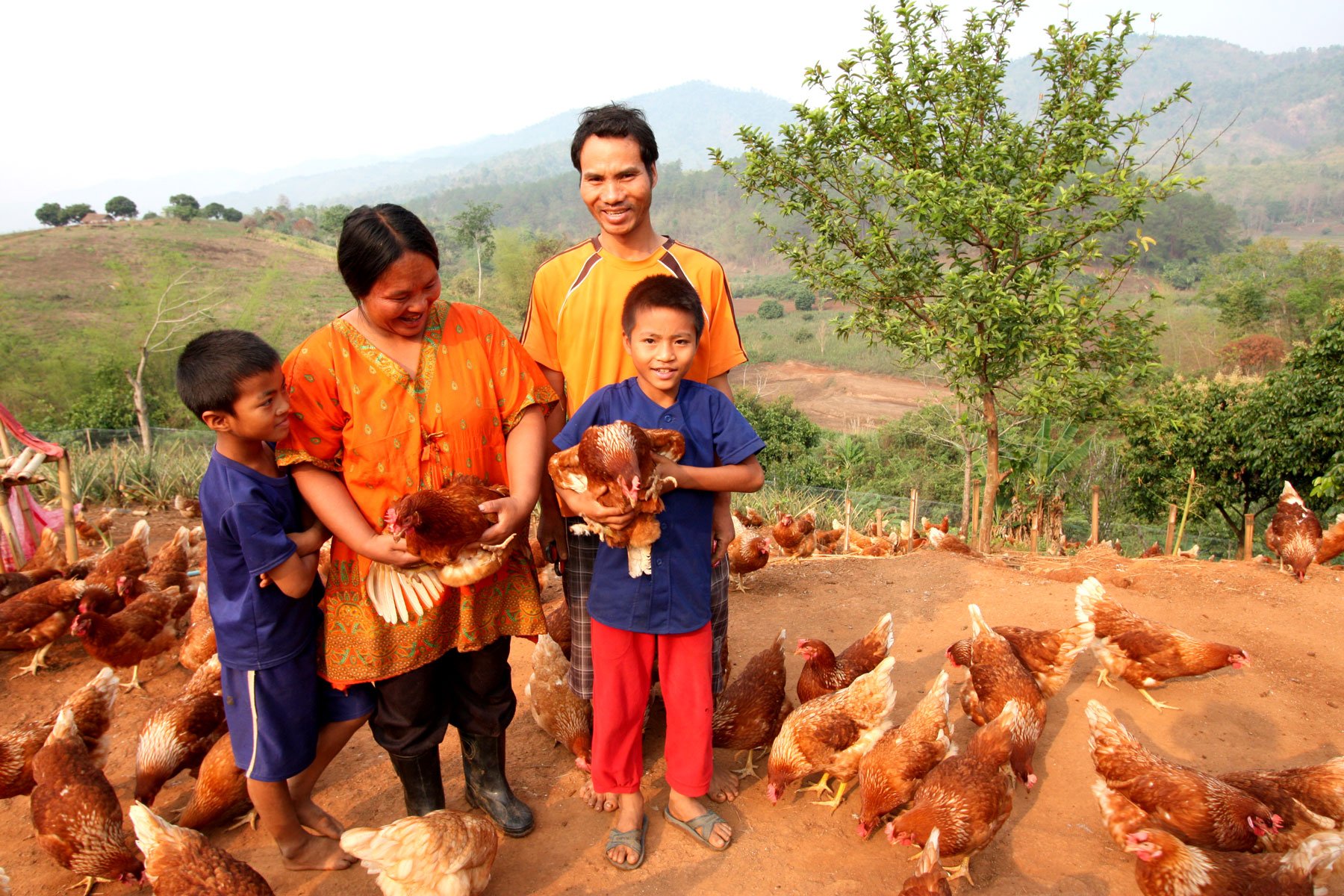
Livestock farming, including poultry, pigs, and cattle, is essential to Thailand’s agricultural sector. Although smaller in scale, dairy farming also contributes to the country’s agricultural output. In addition to livestock, Thailand boasts a robust fishing industry, with shrimp farming particularly important for export markets. The country’s extensive coastline and inland water bodies support a diverse and productive fisheries sector.
Eyes on Northern Thailand
Diverse farming practices and rich cultural traditions characterize agriculture in northern Thailand. The region’s mountainous terrain and climate support cultivating various crops, including rice, maize, fruits, and vegetables. The area is also known for its organic farming initiatives and sustainable practices, often involving small-scale farmers. Indigenous hill tribes play a significant agricultural role, utilizing traditional knowledge and methods.
Northern Thailand has gained a reputation for its high-quality coffee, particularly in Chiang Mai and Chiang Rai. The region’s mountainous terrain and cooler climate provide ideal conditions for coffee plantations. Similarly, tea production, especially green and oolong tea, thrives in the northern highlands. Tobacco is another significant crop in certain areas, contributing to domestic consumption and export revenues.
Despite its agricultural diversity, northern Thailand faces several challenges. Climate change poses a significant threat, with variability in weather patterns affecting crop yields and water availability. Labor shortages, driven by migration to urban areas for better opportunities, also impact the agricultural sector. Moreover, small-scale farmers often need help with market access and fair pricing for their produce, necessitating improved infrastructure and support systems.
Rice Export
7.5M metric tons
Fresh Fruit Export
2.5M metric tons
Rubber Export
4.1M metric tons
Projects in country
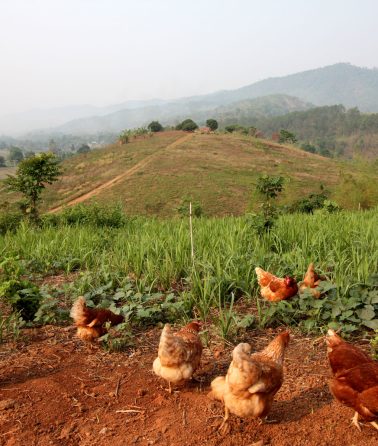
Regenerative master plan, Wawee Valley, Thailand

Teams in country

Country manager

Partners in country