

Agroforestry Fodder Network and Training Center
- DefinitionDevising project idea, defining the aim and main components
- DesignSpecifying details such as time-frame, budget, target indicators, project partners and relevant steps to reach the project objectives
- Open to FinancingSearching and securing funding and investment, setting up relevant financing partnerships, and discussing payment modalities
- ImplementationExecution of feasibility studies, context analysis, plot design, planting and setting up facilities and starting with potential capacity-building
- MaintenanceOperational phase (monitoring and evaluation, impact assessments and adjustments, execution of educational programmes and long-term capacity building)
- Scaling UpScaling up phase is when the project it has already shown success by obtaining impact as well as economic results and it's ready to become replicable.
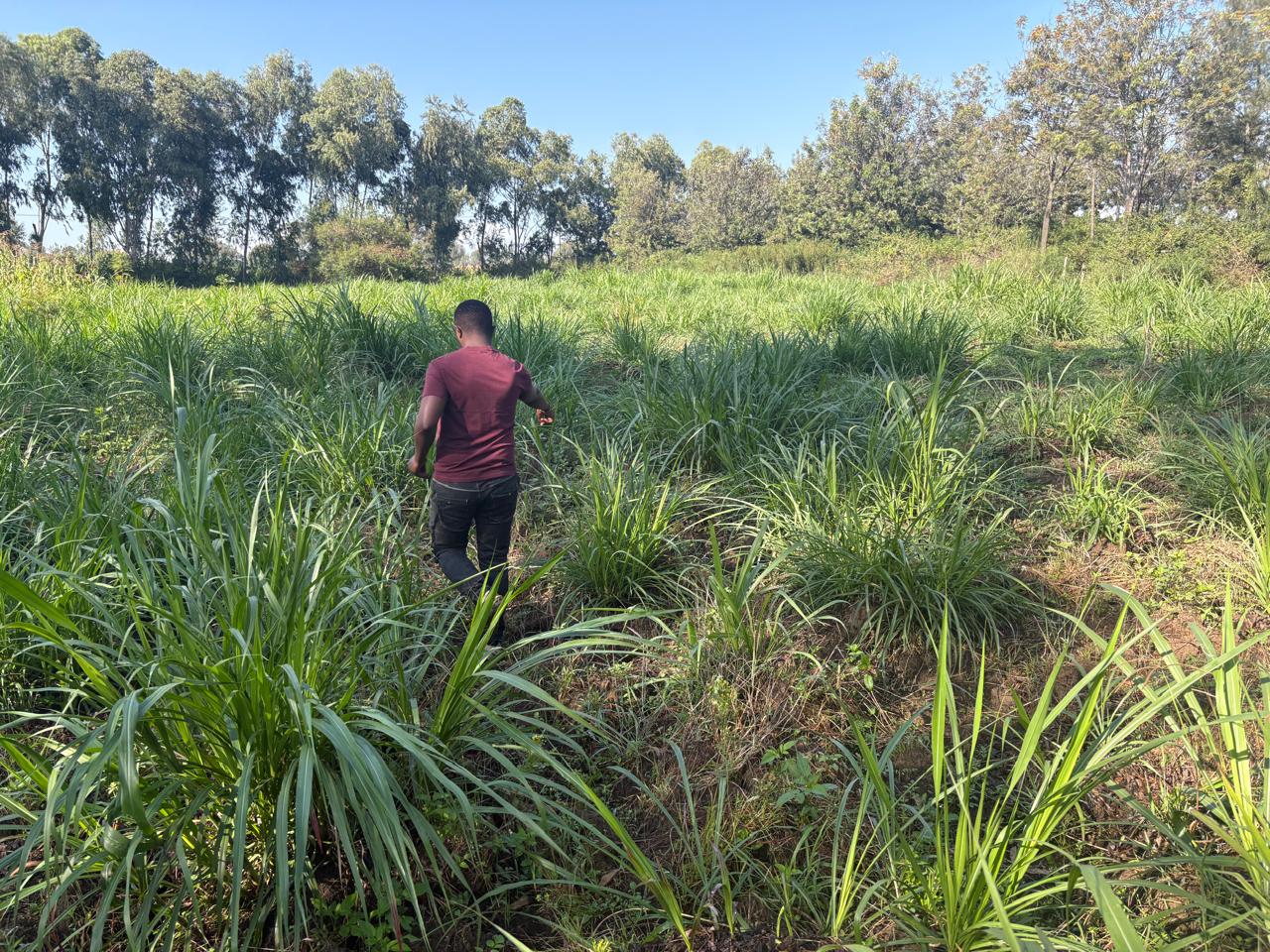
At the edge of Kenya’s Rift Valley, where drought and degraded soils increasingly threaten livestock farmers, a farm in Njoro will be transformed into a regenerative agroforestry and livestock Model Farm. Designed to show that feed security, profitability, and ecosystem restoration can reinforce one another, Burgeon Grove will provide a practical pathway toward climate-resilient livestock systems.
In partnership with reNature, the entire farm will be co-designed with a strong focus on education and capacity building. The Model Farm will be created specifically to showcase integrated fodder systems, combining fodder trees, multi-layered grasses, silage production, composting, and managed livestock rotations within one coherent design. By directly addressing the urgent and largely unmet need for locally produced, climate-resilient fodder solutions, this project introduces a highly relevant and replicable approach that fills a critical gap in Kenya’s livestock sector.
Why Are Livestock Systems Failing in Kenya?
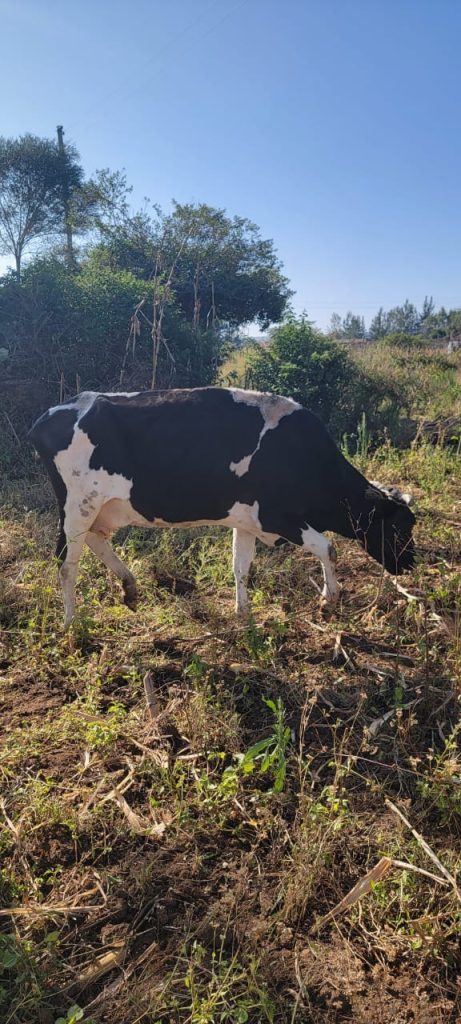
Across Kenya, chronic fodder shortages are intensifying due to degraded soils, deforestation, and unpredictable rainfall. Continuous overgrazing has left grasses too short to recover properly, reducing their ability to photosynthesize and regenerate. Meanwhile, tree cutting for charcoal has removed protective canopy cover, exposing soils to erosion and extreme heat. Recent severe droughts have caused devastating livestock losses. Farmers who depend on cattle and small ruminants for milk and income are forced to purchase expensive commercial feed or sell weakened animals at reduced prices.
Despite clear demand for sustainable solutions, few practical demonstration sites exist where farmers can see how regenerative agroforestry systems can produce affordable, year-round fodder while rebuilding soil health. The absence of visible, working examples continues to slow adoption of better practices.
How Will Agroforestry Secure Year-Round Fodder?
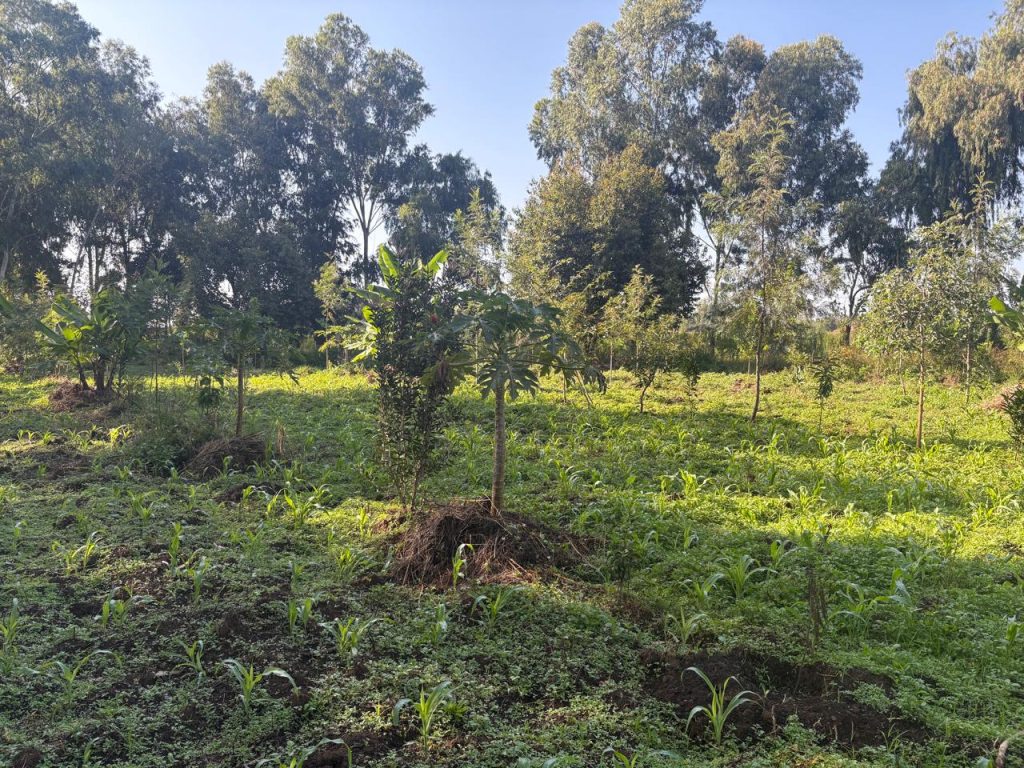
A 2-hectare Model Farm will be designed as a layered agroforestry system combining fodder trees such as calliandra, multi-height grasses, maize silage, and natural regeneration. Soil and water conservation structures will address slope erosion, while composting, black soldier fly, and vermiculture systems will recycle nutrients back into the soil.
The design will remain intentionally replicable for smallholders. Structured training programs will guide farmers in establishing fodder banks, managing grazing cycles, and integrating livestock within diversified tree-based systems.
By demonstrating that regenerative feed systems can reduce costs and stabilize production, the project will create a practical blueprint that can expand across Nakuru County and gradually into Kenya’s drier regions.
How Will Farmers Benefit Socially?
The project will provide an accessible, farmer-centered demonstration site tailored to local realities. Participants will gain practical skills in regenerative fodder production, composting, and livestock integration.
By engaging farmers through structured training and hands-on learning, the initiative will strengthen local knowledge networks and build confidence in climate-resilient practices. The visibility of a functioning model within the community will accelerate adoption and inspire broader landscape transformation.
Will Regeneration Increase Farm Profits?
Regenerative fodder systems significantly lower feed costs while improving animal health and productivity. Producing feed locally reduces dependence on volatile markets and minimizes livestock losses during drought periods.
During times of scarcity, surplus fodder can be sold, creating additional income streams. Integrating livestock, tree crops, and diversified farm outputs strengthens financial resilience and builds multiple revenue channels, improving long-term stability for participating farmers.
A Blueprint for Climate-Resilient Livestock Farming
Burgeon Grove will serve as a practical example of how regenerative agriculture can reshape Kenya’s livestock systems. Beginning in Nakuru County, the Model Farm will be refined and strengthened before expanding into more arid regions where climate vulnerability is highest.
By aligning ecological restoration with solid business principles, the project demonstrates that regenerative agriculture is both environmentally necessary and economically sound. With the right partnerships and investment, it will catalyze a transition toward resilient, nature-positive livestock farming across East Africa.