

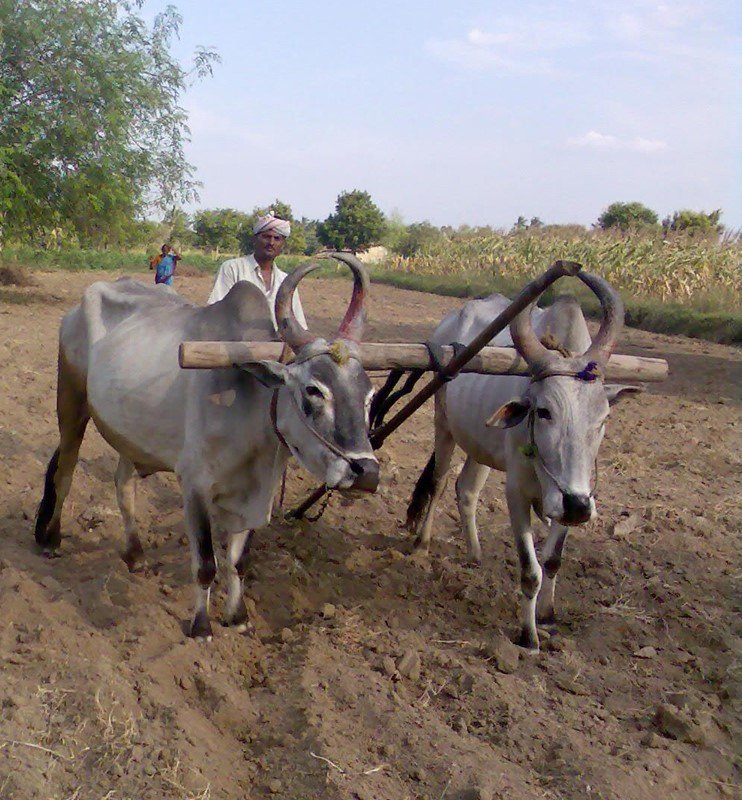
Two Model Farms in Tamil Nadu
- DefinitionDevising project idea, defining the aim and main components
- DesignSpecifying details such as time-frame, budget, target indicators, project partners and relevant steps to reach the project objectives
- Open to FinancingSearching and securing funding and investment, setting up relevant financing partnerships, and discussing payment modalities
- ImplementationExecution of feasibility studies, context analysis, plot design, planting and setting up facilities and starting with potential capacity-building
- MaintenanceOperational phase (monitoring and evaluation, impact assessments and adjustments, execution of educational programmes and long-term capacity building)
- Scaling UpScaling up phase is when the project it has already shown success by obtaining impact as well as economic results and it's ready to become replicable.
In the rural landscapes of Tamil Nadu, two villages are preparing for transformation. The Society for Education Research & Village Empowerment (SERVE) is seeking to establish two Model Farms In Sirupakkam Pudhur and Arasangudi, with the aim to restore degraded farmland and strengthen farmer livelihoods.
In partnership with reNature, each village will host a 1.4-hectare Model Farm, co-designed to showcase regenerative agriculture in practice. These farms will demonstrate how soil restoration, biodiversity enhancement, and diversified cropping systems can rebuild both ecosystems and rural economies. By placing one Model Farm in each village, the project ensures direct access to hands-on learning, creating decentralized and community-driven transformation.
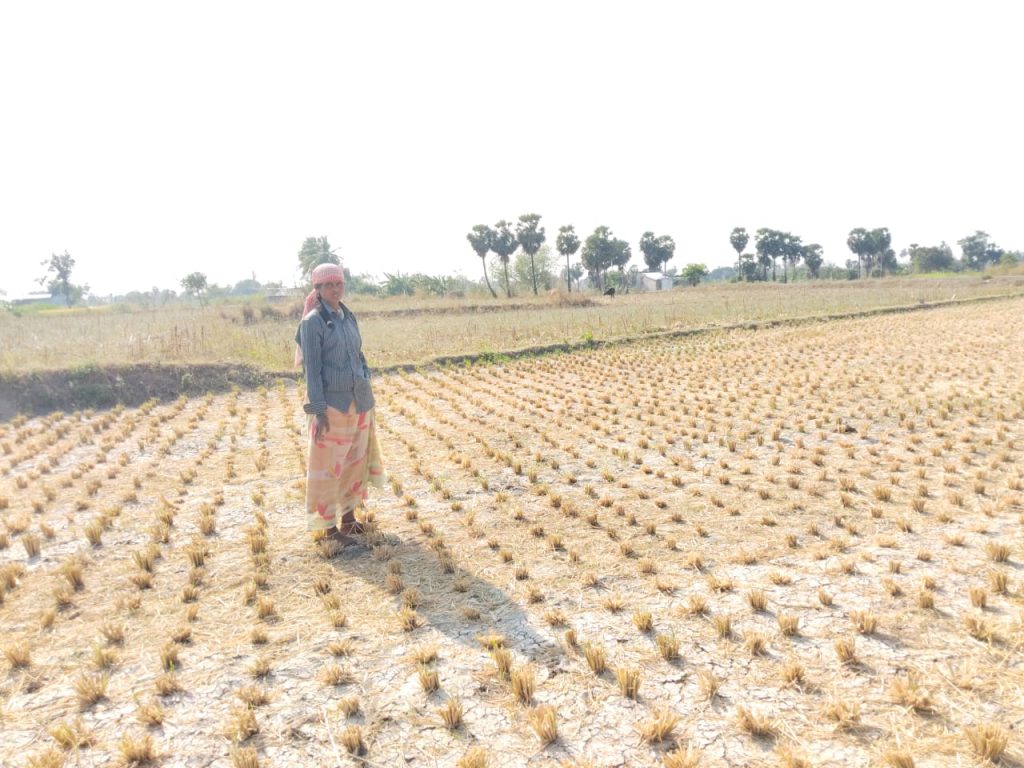
Why Is Soil Fertility Declining in Tamil Nadu?
Farmers in the Mangalore region face increasing soil degradation, biodiversity loss, and declining productivity. Drought combined with years of chemical fertilizer dependency have reduced soil organic matter and weakened natural nutrient cycles. Erosion and poor water retention further limit resilience to climate variability.
As input costs rise and yields stagnate, farmers struggle to maintain profitability. Without visible regenerative examples, adoption of sustainable practices remains limited. Restoring soil fertility is not only an environmental necessity, it has also become essential for food security.
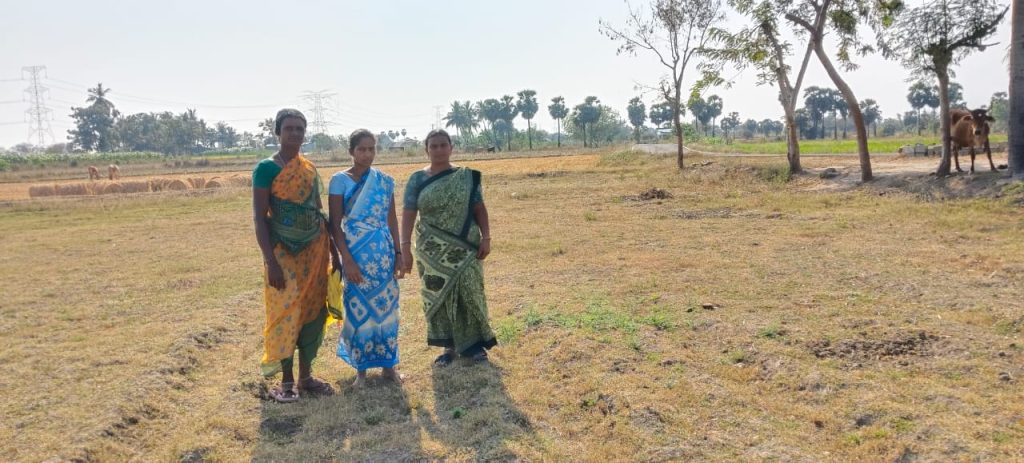
How Will Two Model Farms Drive Regeneration?
Each Model Farm will integrate cover crops and agroforestry systems, which will include fruits, vegetables and grains. These systems will rebuild soil organic matter, improve water retention, and enhance biodiversity. Moreover, reduced chemical input use will protect soil and water systems.
Farmers will see in practice how degraded land transitions into diversified, productive systems. The two farms will function as living classrooms, offering structured training and practical demonstrations. This dual-village approach strengthens regional impact, creating replicable regenerative systems that can expand across surrounding communities.
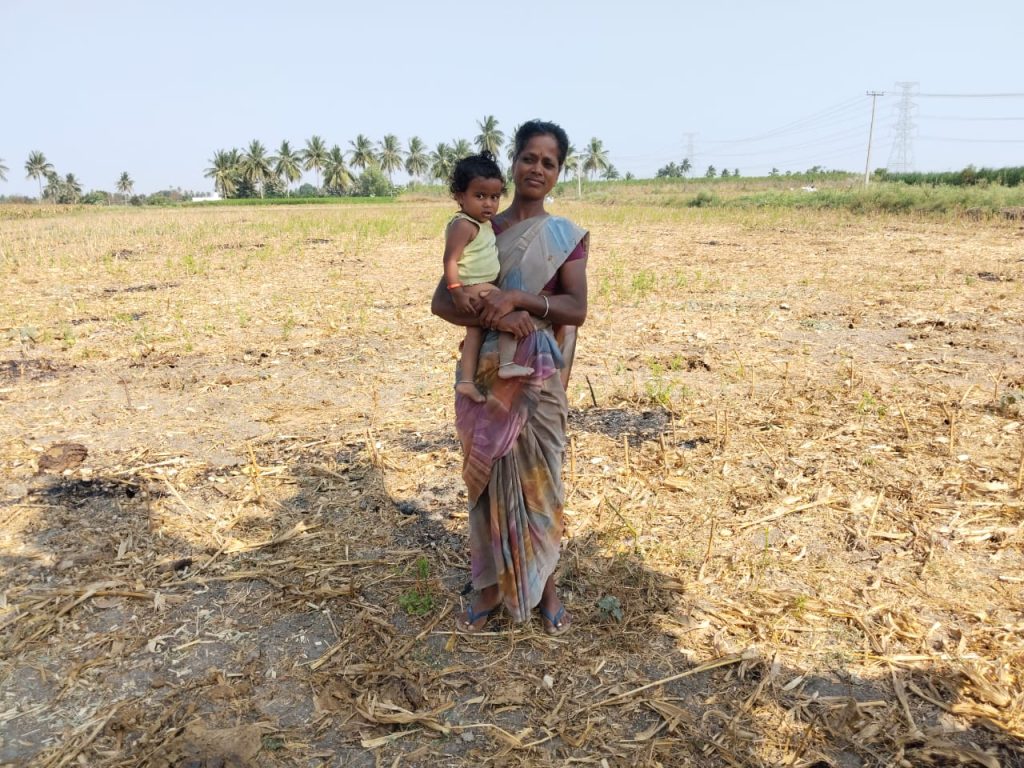
How Will Communities Benefit Socially
The project will directly train 500 farmers and empower marginalized rural communities. By decentralizing training across two villages, knowledge becomes accessible and community-owned.Improved soil productivity enhances food security and reduces economic vulnerability, strengthening resilience for present and future generations.
SERVE’s strong community base and empowerment track record positions the initiative to inspire widespread adoption. The project will create a ripple effect, demonstrating that soil regeneration, biodiversity restoration, and income stability are achievable without chemical dependency.
By combining community engagement with professional regenerative design, the project offers a scalable model for long-term agricultural resilience across Tamil Nadu