Potato
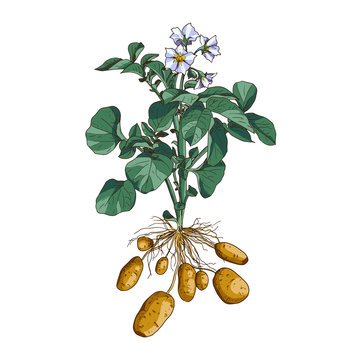
The potato is one of the most widely grown crops globally, playing a critical role in the food systems of many countries. Native to the Andes, potatoes are a high yield crop, rich in essential nutrients and adaptable to a wide range of growing conditions. In the context of regenerative agriculture, potatoes offer significant potential for enhancing food security, improving soil health, and fostering sustainable farming practices.

Nutritional Powerhouse and Economic Asset
Potatoes are renowned for their nutritional value, offering high levels of carbohydrates, vitamin C, potassium, and fiber. Their versatility in the kitchen – whether baked, boiled, mashed, or fried- makes them a staple food in many parts of the world. For smallholder farmers, potatoes are an economically viable crop due to their high yield per hectare, short growing cycle, and consistent market demand.
Potatoes are also a valuable industrial crop, used in the production of starch, biofuels, and even biodegradable packaging. This opens up diverse income streams for farmers, allowing them to tap into various sectors beyond just food production.
Enhancing Soil Health and Biodiversity
Potatoes are a great fit for regenerative agriculture due to their ability to be rotated with other crops, which helps maintain soil fertility and structure. When potatoes are integrated into crop rotation systems, they reduce the likelihood of soil degradation, increase nutrient cycling, and help control pests and diseases naturally.
Potato farming can also support biodiversity. When intercropped with legumes, grains, or cover crops, potatoes contribute to soil health by enhancing organic matter content and promoting diverse microbial activity in the soil.
Climate Resilience and Adaptability
Potatoes are an adaptable crop, capable of growing in a wide range of climates, from cool highlands to temperate lowlands. They are relatively drought-resistant and can grow in marginal soils, which makes them ideal for regions where water scarcity or degraded lands pose challenges. Potatoes also have a short growing season, making them a reliable food source in areas with unpredictable weather patterns.
With climate change increasing the volatility of weather systems, potatoes’ resilience makes them a strategic crop for maintaining food security and farmer livelihoods in vulnerable regions.
Ideal for Sustainable Farming Systems
Potatoes can be integrated into regenerative agricultural systems that focus on sustainability and soil health. They work well in intercropping and crop rotation strategies, contributing to soil regeneration and reducing the need for synthetic inputs. By rotating potatoes with nitrogen-fixing crops like legumes, farmers can maintain soil fertility naturally, reducing reliance on chemical fertilizers.
Their relatively short growth cycle also makes them ideal for multiple harvests per year, improving farm productivity and offering a consistent source of income.
Empowering Smallholder Farmers
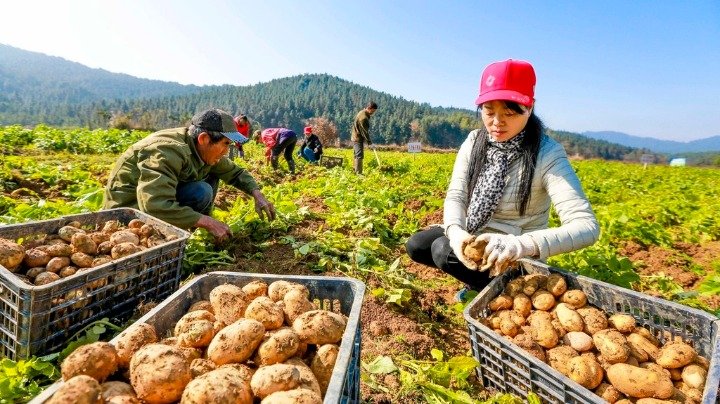
Potatoes are a critical crop for smallholder farmers due to their high yield, market demand, and versatility. They are easy to grow with minimal inputs, providing a reliable source of food and income. In many regions, smallholder farmers depend on potatoes to diversify their crops and reduce risk, particularly in regions prone to food insecurity or market volatility.
At reNature, we work with smallholder farmers to integrate potatoes into regenerative farming systems. By promoting sustainable potato farming practices, we aim to improve yields, enhance soil health, and increase farmers’ resilience to economic and environmental challenges.