

Sustainable Farming & Resource Hub in Soroti, Uganda
- DefinitionDevising project idea, defining the aim and main components
- DesignSpecifying details such as time-frame, budget, target indicators, project partners and relevant steps to reach the project objectives
- Open to FinancingSearching and securing funding and investment, setting up relevant financing partnerships, and discussing payment modalities
- ImplementationExecution of feasibility studies, context analysis, plot design, planting and setting up facilities and starting with potential capacity-building
- MaintenanceOperational phase (monitoring and evaluation, impact assessments and adjustments, execution of educational programmes and long-term capacity building)
- Scaling UpScaling up phase is when the project it has already shown success by obtaining impact as well as economic results and it's ready to become replicable.
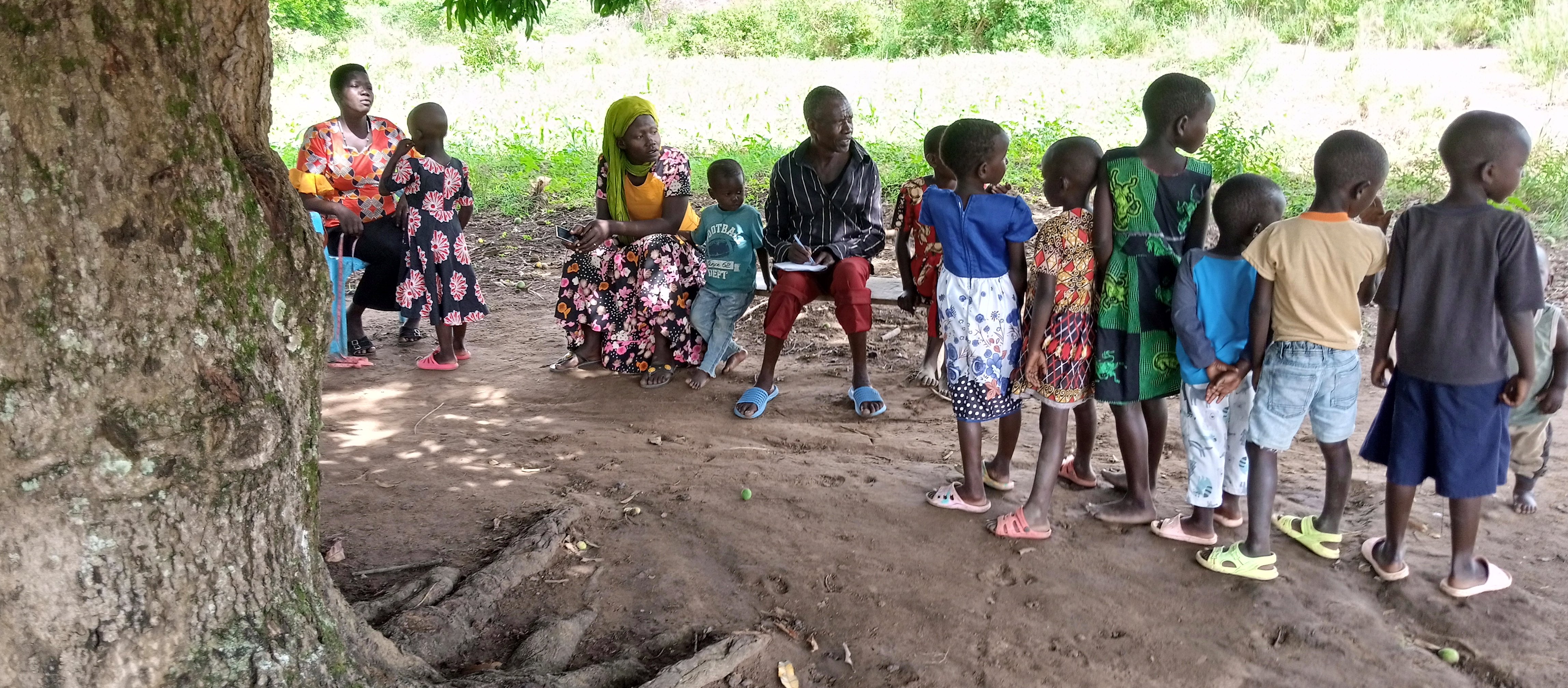
The Sustainable Farming & Resource Center for Rural Development (SFRRD) project in Soroti, Uganda, aims to empower rural farmers by establishing a Farmer Field School and Resource Center. Through hands on training in sustainable farming techniques, agroforestry, and land management, the project will help farmers increase productivity, restore degraded land, and improve food security. A cooperative model will be introduced, allowing farmers to collectively sell their produce for better market access and income generation. By promoting environmental sustainability and economic resilience, the SFRRD project will create a self sustaining system of knowledge sharing that benefits the entire community.
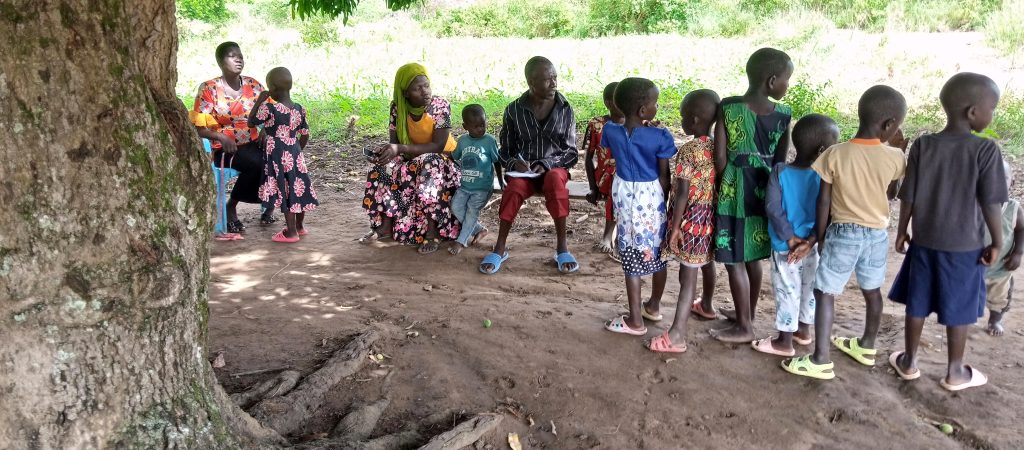
Creating a Model for Change: Farmer Field School & Resource Center
The SFRRD project centers around the creation of a Farmer Field School and Resource Center that will serve as a hub for education, training, and support. The field school will provide hands on training tailored to the needs of local farmers, helping them adopt sustainable farming methods such as crop diversification, tree planting, and reforestation. The Resource Center will provide farmers with ongoing support, including access to tools, materials, and technical assistance to ensure the successful implementation of these practices.
In addition to individual farmer training, the project aims to establish a cooperative model that allows farmers to work together, increasing their collective bargaining power when selling produce. By pooling resources and knowledge, the cooperative will enable farmers to access larger markets and negotiate better prices for their crops, improving their overall income and economic resilience.
Improving Livelihoods and Food Security: Mixed Farming and Market Access
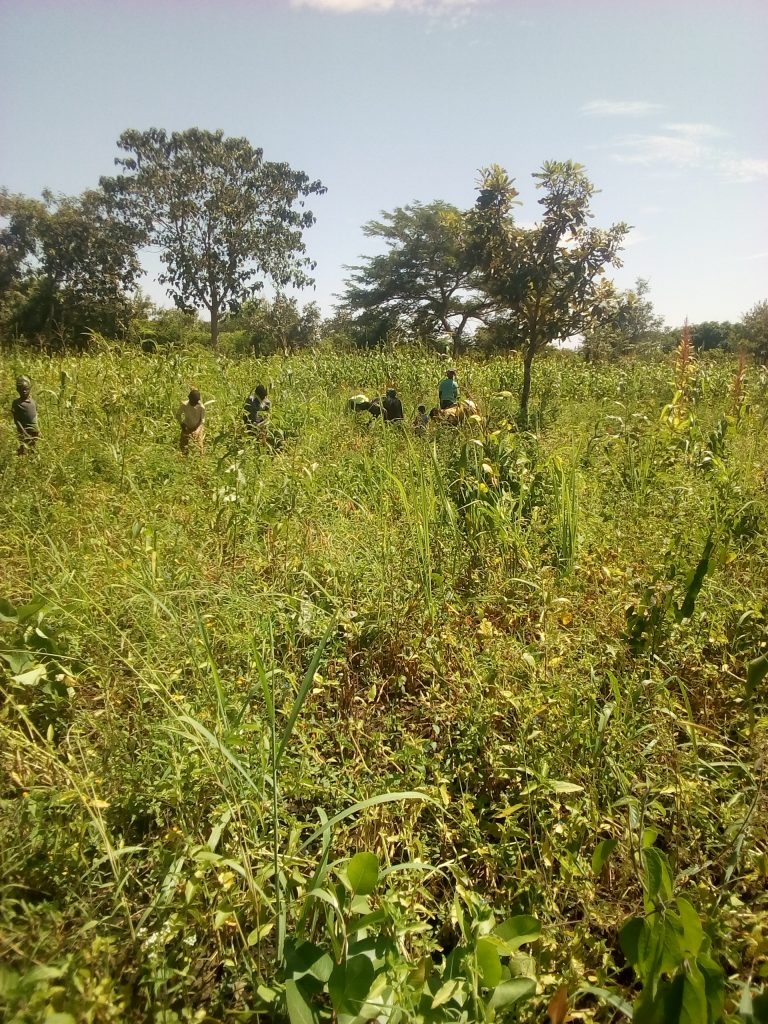
The SFRRD project focuses on increasing both food security and profitability for rural farmers by introducing mixed farming techniques. By diversifying crops, such as cassava, potatoes, and maize, alongside agroforestry products, farmers will not only increase their yields but also reduce their reliance on monoculture farming. This approach provides a more stable and varied food supply, improving nutrition for the community while creating additional income streams.
The project also seeks to enhance market access for farmers by helping them collectively sell their produce through the cooperative model. By working together, farmers will be able to reach larger markets, including local and regional buyers, allowing them to secure better prices and improve their profitability. This model ensures that farmers can sustainably increase their income while contributing to the overall economic growth of the community.
Empowering Communities Through Education and Cooperation
The SFRRD project emphasizes community empowerment through a snowball training effect. As the initial cohort of farmers receives training through the Farmer Field School, they will pass on their knowledge to other farmers in the community, gradually expanding the project’s impact. This peer to peer learning model will create a self sustaining system of knowledge sharing, fostering long term agricultural development throughout the region.
Moreover, the project will prioritize inclusivity by ensuring that women and underserved community members have equal access to training and resources. By promoting gender and social equity, the SFRRD project aims to create a more resilient and cohesive community that can work together for mutual benefit.
Environmental Regeneration Through Agroforestry and Sustainable Land Management
The integration of agroforestry into the SFRRD project is key to restoring the local environment and ensuring sustainable land use. By planting trees alongside crops, farmers will improve soil health, prevent erosion, and enhance water retention. This practice will also help combat deforestation and increase biodiversity, creating a more resilient ecosystem that can withstand the impacts of climate change.
Agroforestry practices will also contribute to carbon sequestration, helping to reduce greenhouse gas emissions and support global climate change mitigation efforts. The project’s emphasis on sustainable land management will ensure that the agricultural system remains productive and environmentally stable for future generations.
Building Economic Resilience: Cooperative Model and Market Connections
The introduction of a cooperative farming model will significantly enhance the economic resilience of participating farmers. By working together, farmers will be able to reduce input costs, access better markets, and secure higher prices for their produce. The cooperative will also provide a platform for farmers to share resources and knowledge, ensuring that everyone benefits from the project’s success.
Through these market connections, farmers will be able to sell their diversified crops, including high demand staples like cassava and maize, at more competitive prices. This will increase their income and allow them to reinvest in their farms, creating a positive feedback loop of growth and sustainability.
A Vision for the Future: Expanding Impact Across Rural Uganda
The long term vision of the SFRRD project is to create a scalable model for sustainable farming that can be replicated in other rural communities across Uganda. As more farmers adopt the techniques and practices taught at the Farmer Field School, the project’s impact will continue to grow, improving food security, environmental health, and economic stability for thousands of farmers.
By demonstrating the benefits of cooperative farming and sustainable land management, the SFRRD project will inspire other communities to follow suit, creating a broader movement toward sustainable rural development in Uganda and beyond.
Conclusion
The Sustainable Farming & Resource Center for Rural Development (SFRRD) project is poised to transform the agricultural landscape of rural Uganda by empowering farmers with sustainable farming techniques that enhance productivity and environmental sustainability. Through hands on training, cooperative farming, and market access, the project will improve livelihoods, restore ecosystems, and create a resilient agricultural system for future generations. As the project grows, it will serve as a model for other rural communities, driving widespread adoption of sustainable farming practices and fostering long term economic and environmental resilience.
Journal
“We need solutions on a large scale.”

A definition of Regenerative Agroforestry
