

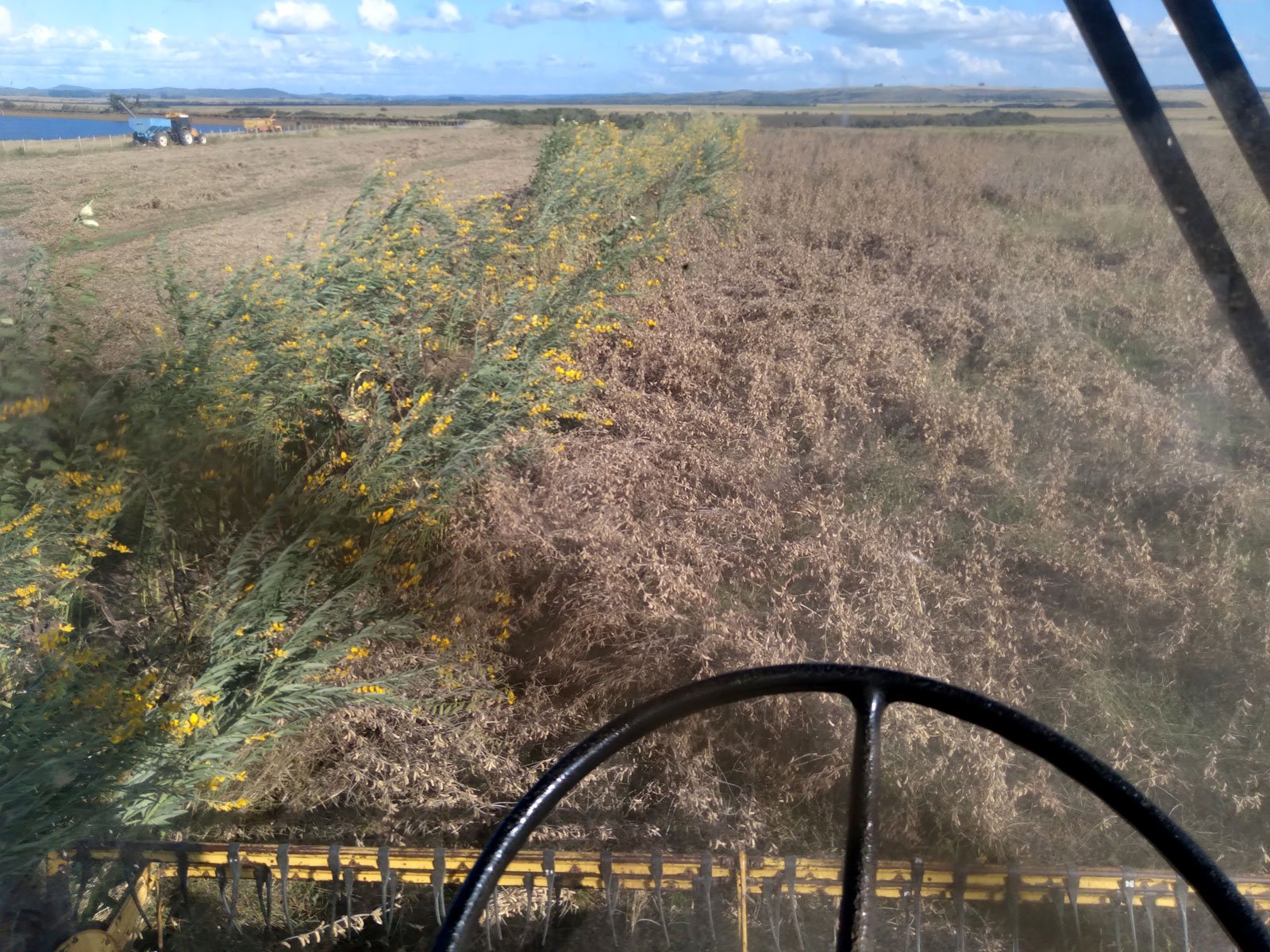
CEPAOR: Regenerative Soya Farm and Educational Center in the Pampa region, Brazil
- DefinitionDevising project idea, defining the aim and main components
- DesignSpecifying details such as time-frame, budget, target indicators, project partners and relevant steps to reach the project objectives
- Open to FinancingSearching and securing funding and investment, setting up relevant financing partnerships, and discussing payment modalities
- ImplementationExecution of feasibility studies, context analysis, plot design, planting and setting up facilities and starting with potential capacity-building
- MaintenanceOperational phase (monitoring and evaluation, impact assessments and adjustments, execution of educational programmes and long-term capacity building)
- Scaling UpScaling up phase is when the project it has already shown success by obtaining impact as well as economic results and it's ready to become replicable.
In a biome dominated by agrotoxics and the heavy use of transgenic soya, CEPAOR inspires a new generation of farmers, scientists, and rural leaders. In a region where producers who wish to farm organically often cannot—due to contamination risks, lack of infrastructure, and scarce technical guidance—CEPAOR plays a critical role in disseminating practical knowledge on organic and regenerative production. Its founders, a soil scientist and biologist duo, have built a hands-on, science-based approach to regeneration that others can follow.
Together with reNature, CEPAOR will implement a 21-hectare regenerative Model Farm that can be both replicated and expanded in future phases. Their commitment and success show that passion, persistence, and the right support can transform a farm into a model for regional renewal. As awareness grows, CEPAOR has the potential to seed similar initiatives across southern Brazil’s grain belt, filling a major knowledge gap and enabling more farmers to transition away from chemical-dependent systems.
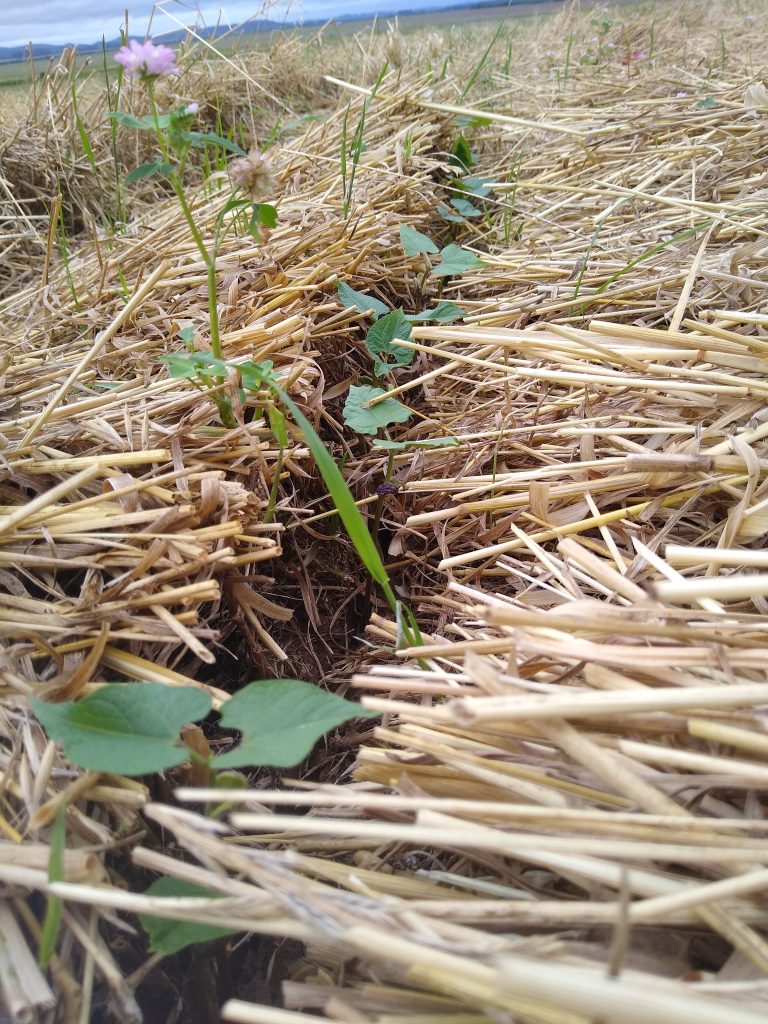
Can agriculture and biodiversity thrive together in the Pampa?
The Pampa biome, once rich in grasslands and endemic species, is under mounting pressure from conventional soybean monocultures. As large-scale, input-heavy agriculture expands across southern Brazil, soil degradation, biodiversity loss, and rural exodus have accelerated. This creates a critical challenge: how to transition agricultural systems toward ecological restoration without sacrificing productivity or economic viability. CEPAOR has taken this challenge into its own hands—using its own funds and resources to experiment with regenerative approaches. Through years of trial, error, and learning, it is now successfully growing organic soya within regenerative systems, proving that ecological and economic goals can go hand in hand.
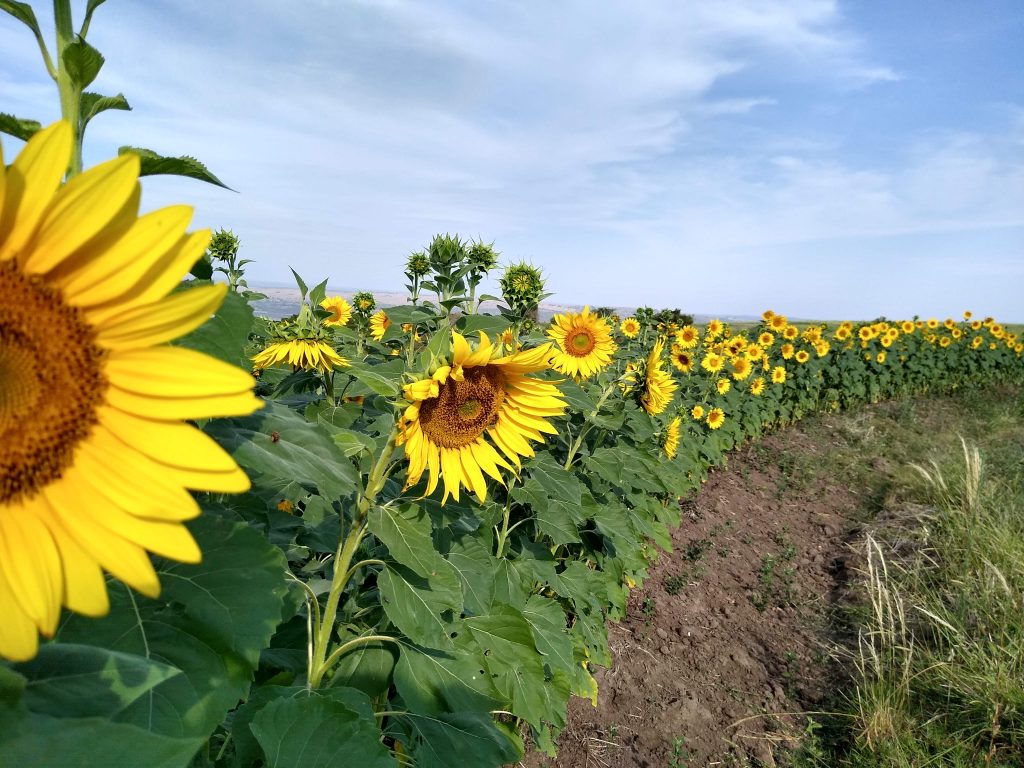
How does CEPAOR address this regional crisis?
CEPAOR is built from direct experience, persistence, and a commitment to making regeneration work in real conditions. Led by professor, farmer, and soil scientist Benjamin Osorio Filho and his wife, a soil biologist, the project is driven by a shared conviction that agriculture in the Pampa can be productive without degrading nature. Using their own land and resources, they have developed an organic certified grains farm that functions as both a production unit and a learning space.
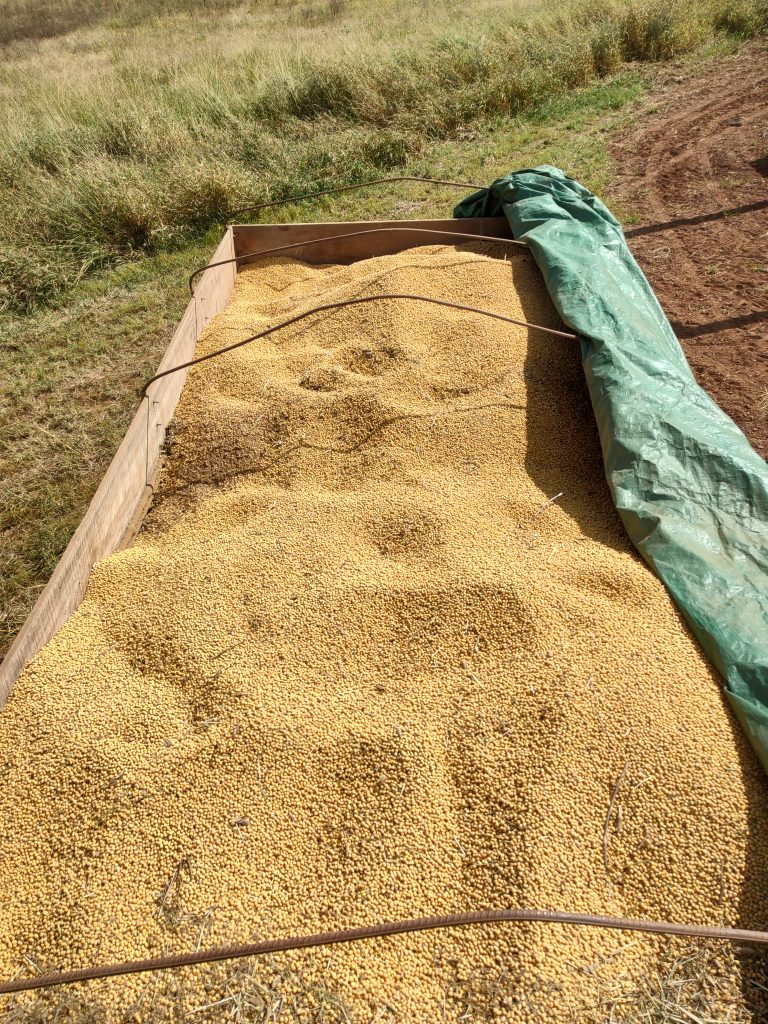
Through practical training, field demonstrations, and applied research, CEPAOR supports farmers in reducing chemical inputs and restoring ecosystem function. By partnering with Gebana, an ethical trader that purchases their organic soya and beans, the project also demonstrates how regenerative production can connect to fair and reliable markets.
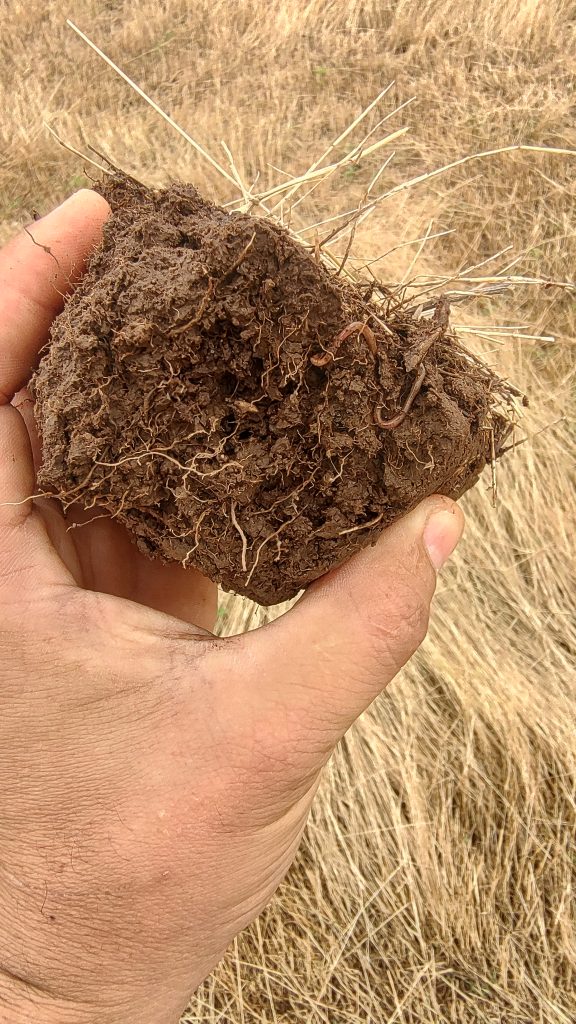
How will this project support rural communities?
Farmers in the Pampa face significant barriers to adopting regenerative agriculture, including limited technical knowledge, lack of infrastructure, and poor access to fair markets. Together with reNature, CEPAOR will co-design a regenerative model farm and deliver hands-on training, technical support, and capacity-building opportunities for up to 100 local families.
Centered around a 21-hectare pilot area, the project will serve as a real-world learning landscape where farmers can observe, test, and implement regenerative practices. In addition to education, CEPAOR will make its existing infrastructure available to the local rural community, allowing farmers to process and store organic grains. This shared use of facilities supports collective access to ethical and profitable markets while strengthening regional collaboration and resilience.
Scaling regeneration through education and action
Beginning with a focused regenerative agriculture pilot and expanding in phases, the project combines production, education, and demonstration. With financial support and technical guidance, it can scale its impact, train more practitioners, and refine regenerative systems adapted to southern Brazil’s realities.
In the future, the project aims to expand its scope to include a full educational itinerary, exploring diverse regenerative models and incorporating a broader range of soya species. This evolution will deepen its role as a knowledge hub and living laboratory—offering scalable, adaptable solutions that integrate nature, education, and economy in service of a regenerative future.
Journal


