

Promoting Organic Millet in Tamil Nadu, India
- DefinitionDevising project idea, defining the aim and main components
- DesignSpecifying details such as time-frame, budget, target indicators, project partners and relevant steps to reach the project objectives
- Open to FinancingSearching and securing funding and investment, setting up relevant financing partnerships, and discussing payment modalities
- ImplementationExecution of feasibility studies, context analysis, plot design, planting and setting up facilities and starting with potential capacity-building
- MaintenanceOperational phase (monitoring and evaluation, impact assessments and adjustments, execution of educational programmes and long-term capacity building)
- Scaling UpScaling up phase is when the project it has already shown success by obtaining impact as well as economic results and it's ready to become replicable.
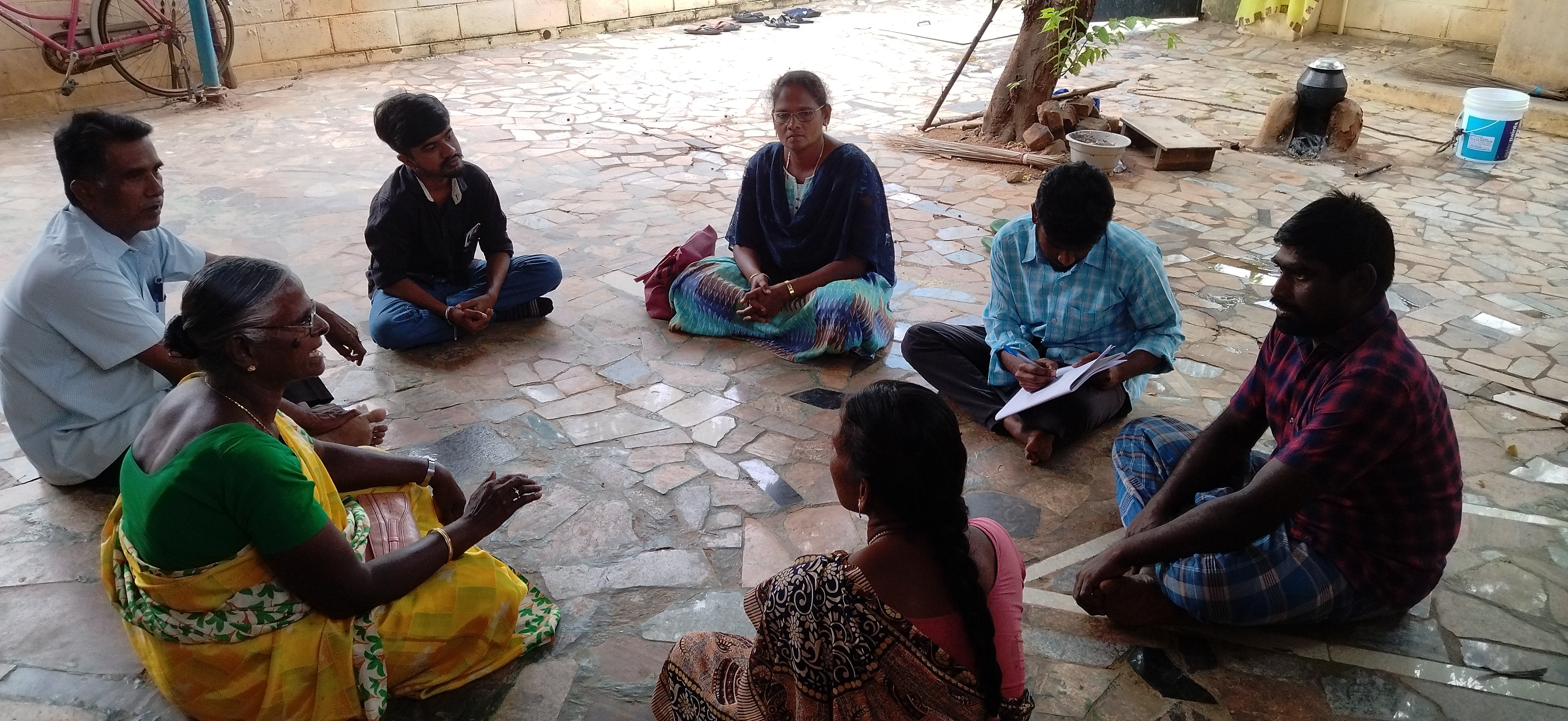
This project aims to advance organic and resilient agriculture in Tamil Nadu by establishing five Model Farms, each spanning 0.2-0.3 hectares, across the villages of Emakkalapuram, Thavasimadai, Koovanoothu, A. Vellodu, and Veerakkal. These farms will serve as training centers.
Currently, agriculture in the region depends heavily on agrochemicals and external irrigation, which degrades the land and increases farmers’ vulnerability to climate change, particularly droughts. SIMCODESS intends to promote drought- and pest-resilient crops such as millet, moringa, and maize, alongside timber trees and seed oil crops like groundnut, sesame, coconut, and castor. The initiative will transition 100 hectares, owned by smallholder farmers, to regenerative agriculture, with a special focus on empowering women farmers.
Reaching 1,200 Lives
The project directly benefits 300 smallholder farmers, with an additional 900 individuals indirectly impacted through improved agricultural practices and community well-being.
The Burden of Conventional Farming
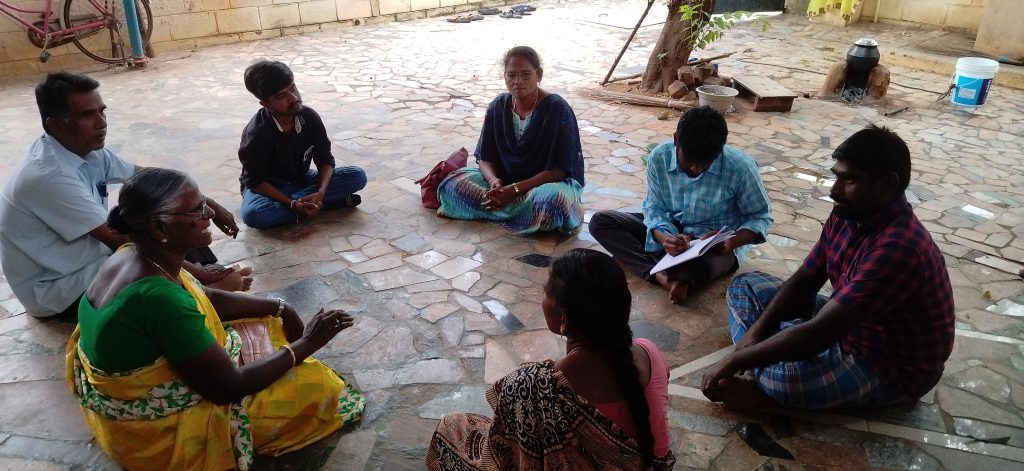
For many smallholder farmers in Tamil Nadu, agriculture has become a source of hardship rather than sustenance. The promises of the Green Revolution, with its reliance on chemical fertilizers, pesticides, heavy machinery, and modified seeds, have not materialized. Instead, these technologies have led to debt and forced many farmers to abandon their lands in search of city jobs. The cultivation of low-nutritional-value crops and a lack of diversity have further exacerbated food insecurity. Additionally, the region’s dependence on monsoon rains makes farmers vulnerable to climate changes, such as floods and droughts, which are intensified by conventional farming practices that require high water usage for crops like rice, coconuts, and flowers. The urgent need for climate-resilient agriculture is evident.
Building a Sustainable Future
To address these pressing issues, SIMCODESS is promoting climate-resilient agriculture across 100 hectares of land. Five Model Farms will be established in Emakkalapuram, Thavasimadai, Koovanoothu, A. Vellodu, and Veerakkal, serving as training centers for the Training of Trainers (TOT) and other capacity-building programs. Training programs, ranging from one week to one month, will cover essential topics such as soil fertility and marketing. The diversified agricultural model will focus on highly nutritious, drought-resistant crops like moringa and millet, along with pulses, corn, and seed oils (groundnut, sesame, coconut, castor). Timber planting for long-term income will also be encouraged along the edges of farmers’ plots. Furthermore, 50 farm ponds will be created to enhance water access during droughts and dry periods, allowing rainwater to be harvested and used for farming, livestock, and domestic needs.
Enhancing Ecosystems and Resilience
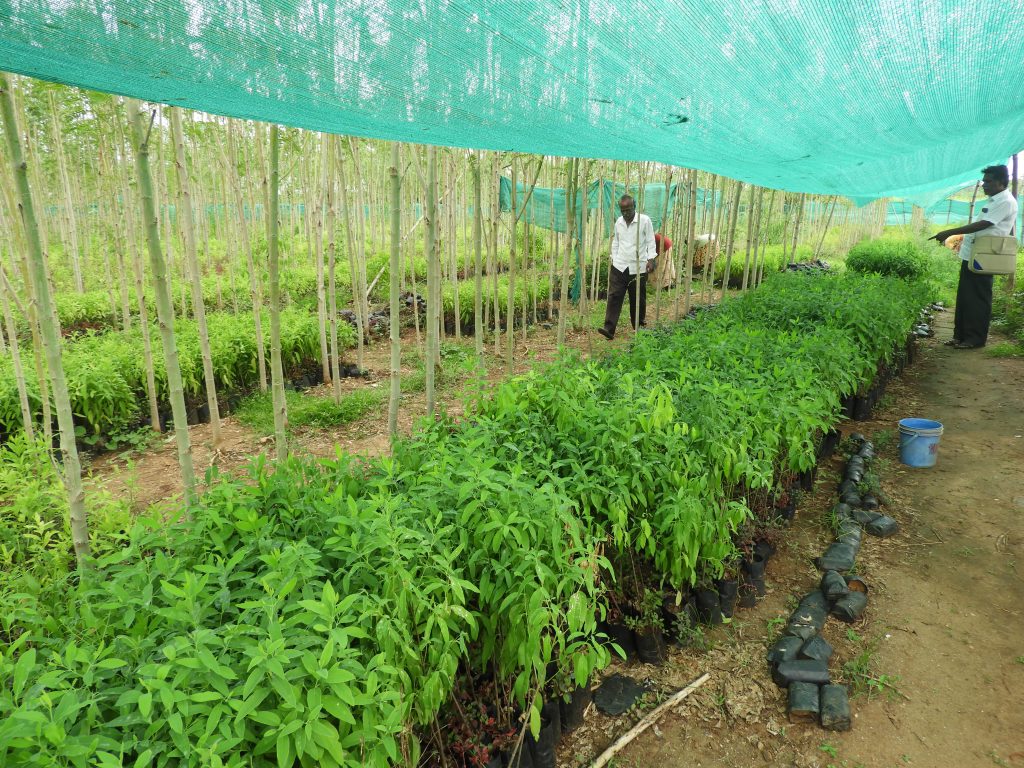
Improving soil health will lead to healthier, more nutritious crops, reduced soil erosion, and increased soil organic matter. Enhanced plant diversity will boost resilience to climate and market fluctuations while providing habitats for wildlife. Reduced use of chemical pesticides and fertilizers will minimize their negative impacts on the environment and human health. Water conservation and drought resilience are prioritized, with crops like millet and moringa requiring minimal water and exhibiting good drought tolerance. Additionally, contour farming and check dams will be implemented to reduce water runoff and improve infiltration. Improved soil structure will facilitate greater water absorption and retention, and farm ponds will provide water during dry periods, supporting agricultural activities and serving as habitats for wildlife and plant species such as pond lilies and cattails.

Interested in financing this project?
Share your informationBuilding Community Resilience
The project will strengthen community resilience by reducing reliance on chemicals and external irrigation. SIMCODESS will provide youth training to foster interest in farming. Cultivating nutrient-dense crops like moringa and millet will improve access to healthy food for the community.
Maximizing Farmer Profits with Millet
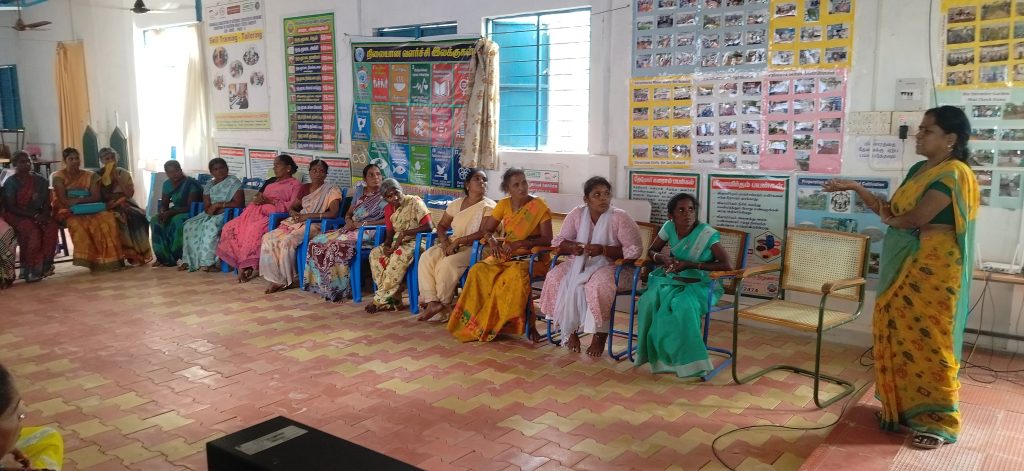
SIMCODESS will support value addition and marketing, enabling farmers to achieve higher prices for their produce. By selling directly to consumers, farmers can bypass middlemen and maximize profits. Crop diversification, including timber and cattle, will reduce vulnerability to market and climate changes. The project aims to enhance the circularity and self-sufficiency of the farming system, reducing reliance on external inputs. For instance, millet straw can feed cattle, and cattle manure can be used as fertilizer.
This transformative project represents a significant step toward a sustainable and resilient agricultural future for Tamil Nadu. By empowering smallholder farmers with the skills and resources to adopt climate-resilient practices, it paves the way for a healthier, more prosperous community.
Journal

Insights on India


