

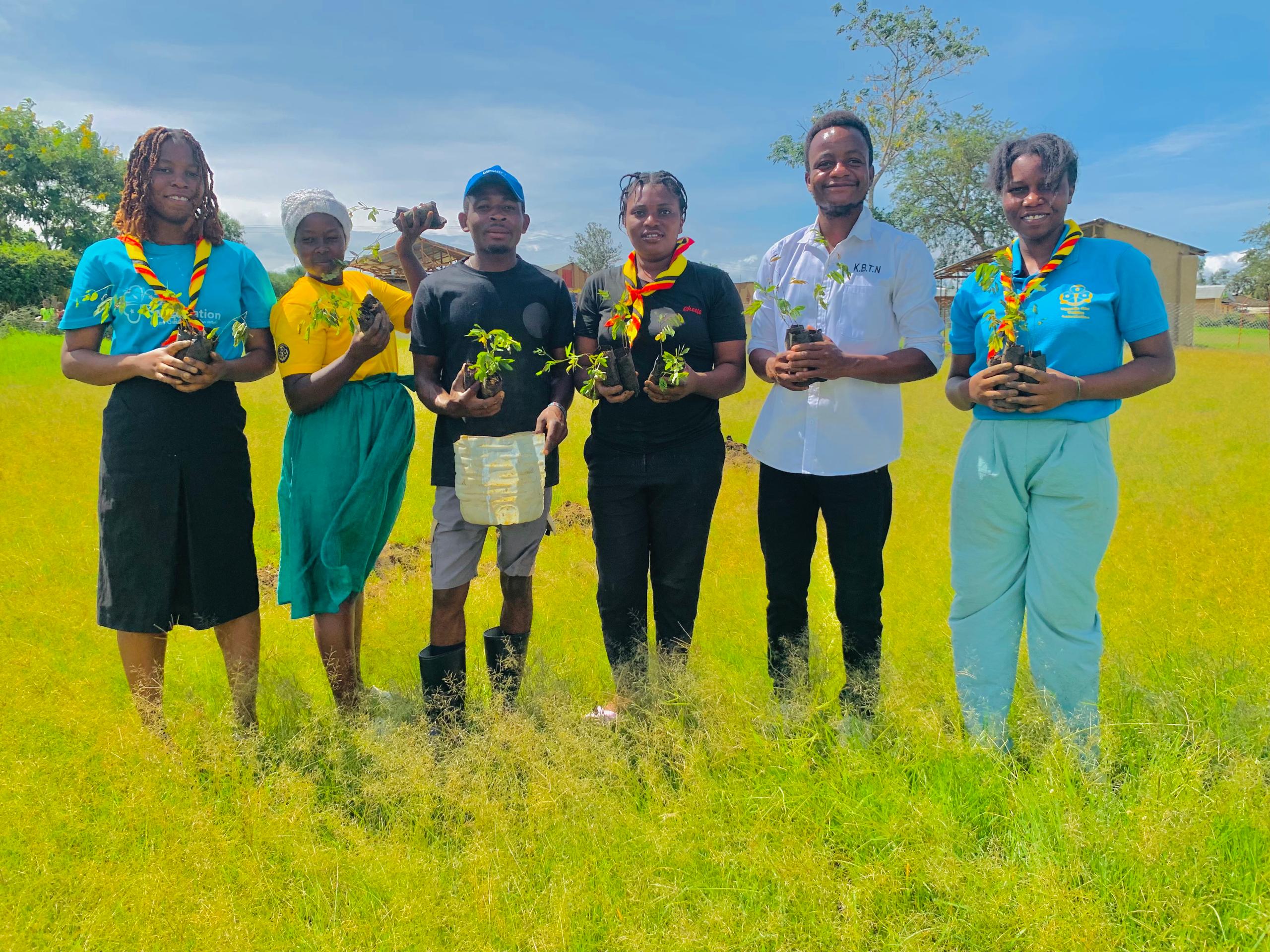
Roots of Resilience – Nakivale Refugee Settlement Regeneration Initiative
- DefinitionDevising project idea, defining the aim and main components
- DesignSpecifying details such as time-frame, budget, target indicators, project partners and relevant steps to reach the project objectives
- Open to FinancingSearching and securing funding and investment, setting up relevant financing partnerships, and discussing payment modalities
- ImplementationExecution of feasibility studies, context analysis, plot design, planting and setting up facilities and starting with potential capacity-building
- MaintenanceOperational phase (monitoring and evaluation, impact assessments and adjustments, execution of educational programmes and long-term capacity building)
- Scaling UpScaling up phase is when the project it has already shown success by obtaining impact as well as economic results and it's ready to become replicable.
The Nakivale Regenerative Agriculture & Community Soil Initiative supports refugee farmers in Uganda’s Nakivale Refugee Settlement to rebuild food security, restore degraded soils, and strengthen local livelihoods. Led by AYISD, a refugee-led organization, the project will introduce regenerative agriculture practices across 160 hectares, reaching farming families who depend on agriculture for survival, through the establishment of a Model Farm that can be replicated. Through soil testing, demonstration gardens, seed distribution, and hands-on farmer training, the initiative will help communities improve soil health, diversify crops, and increase yields. With humanitarian food aid reduced, this project creates a pathway toward self-sufficiency by enabling farmers to produce more food locally, reduce input costs, and sell surplus crops in nearby markets such as Mbarara.
Can Refugee Farmers Rebuild Food Security?
Nakivale Refugee Settlement faces deep food insecurity, poverty, and declining soil fertility. Many families depend on agriculture, yet limited resources, degraded land, and reduced humanitarian food aid have made it increasingly difficult to produce enough food. Farmers often lack access to soil testing, quality seeds, tools, and practical knowledge on sustainable land management. As a result, productivity remains low, while pressure on the land continues to increase.
For refugee communities rebuilding their lives, agriculture is more than a source of food; it is a foundation for dignity, income, and resilience. However, without healthy soils and appropriate farming practices, farmers remain vulnerable to poor harvests and market instability. The challenge is therefore both environmental and social: restoring the land while empowering communities with the skills and systems needed to feed themselves and create lasting livelihoods.
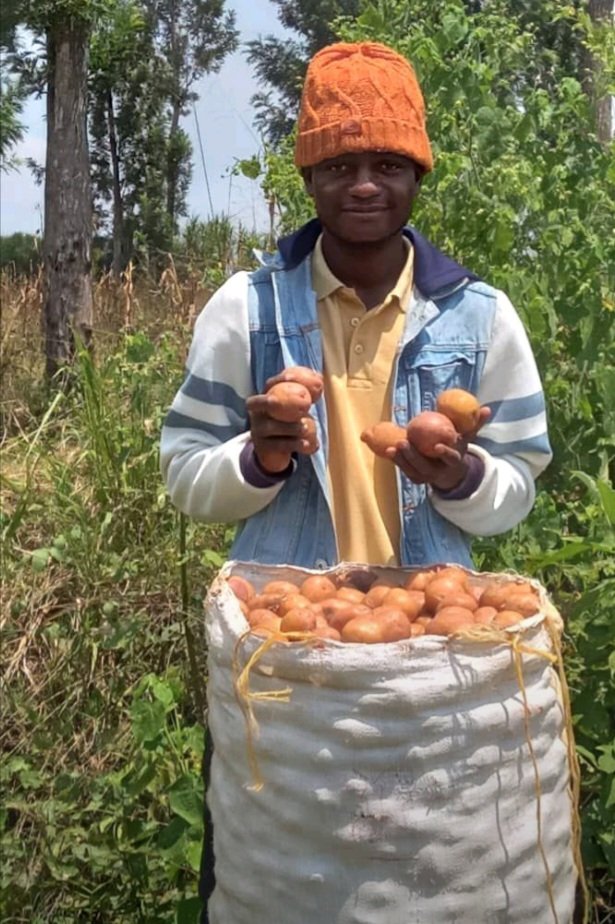
How Will Regeneration Transform Nakivale?
The project will establish demonstration gardens and training hubs across Nakivale’s three administrative zones. These sites will show farmers how regenerative agriculture can restore soil health, improve water retention, and increase crop productivity. Practical training will focus on mulching, composting, cover cropping, agroforestry, crop diversification, and soil testing.
By combining technical support with community-led implementation, the project helps farmers understand what their soils need and which crops are best suited to local conditions. Maize will remain the main crop, while soybeans, grains, and vegetables may be introduced depending on soil results. Seed distribution and farmer-to-farmer learning will make adoption easier and more affordable. With reNature’s support, AYISD can strengthen farm design, monitoring, and knowledge transfer, allowing the initiative to grow into a replicable model for regenerative agriculture in refugee settlements.
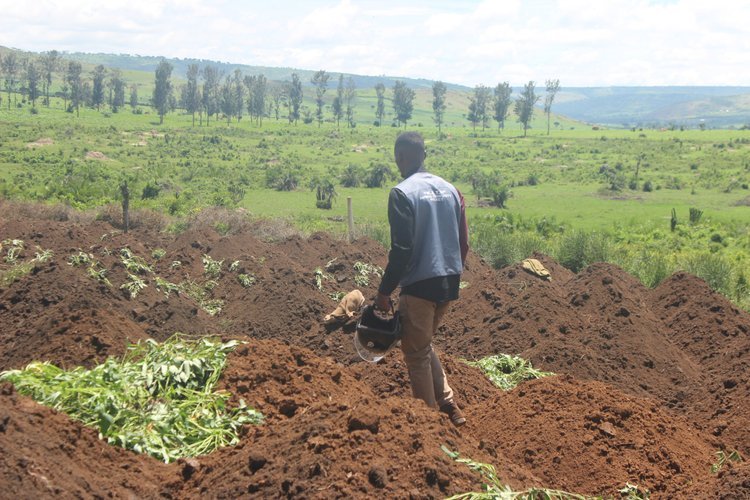
Can Soil Restoration Protect Biodiversity?
Regenerative practices will help restore degraded soils, reduce erosion, and improve biodiversity across the settlement. Mulching and composting will increase organic matter, while cover crops and agroforestry will protect soil structure and support water retention. Demonstration gardens will serve as living classrooms where farmers learn how healthier soils create more resilient farming systems. Over time, these practices can reduce dependency on chemical inputs and support more diverse, productive landscapes.
Can Farming Strengthen Refugee Communities?
The project will directly support 1,000 people and indirectly benefit 1,200 more by improving food access, farming knowledge, and community cooperation. Farmer training and shared demonstration sites will create practical learning spaces where refugees can build confidence and skills. As families become better able to grow their own food, the project will reduce vulnerability, strengthen dignity, and support community resilience in the face of reduced external aid.
Can Higher Yields Reduce Poverty?
Improved soil health and regenerative farming practices are expected to increase yields and reduce input costs. By diversifying crops and introducing agroforestry systems, farmers can become less dependent on a single harvest and more resilient to economic shocks. Surplus maize, soybeans, grains, and vegetables can be sold in local markets, creating income opportunities and strengthening Nakivale’s local food economy.
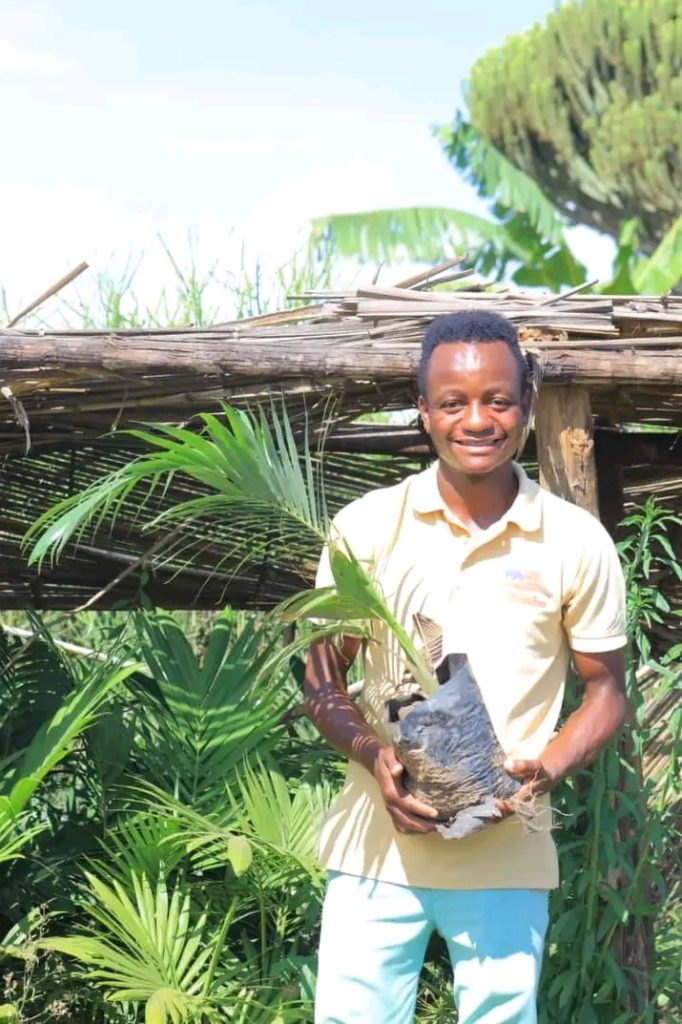
A Pathway Toward Self-Sufficiency
The Nakivale Regenerative Agriculture & Community Soil Initiative offers a practical response to food insecurity, poverty, and soil degradation. By equipping refugee farmers with regenerative knowledge, tools, and demonstration farms, AYISD can help communities move from aid dependency toward self-sufficiency. With funding and technical support, the project can restore land, increase food production, and create a scalable model for resilient agriculture in refugee settlements.