


Brazil Nut
The Brazil nut tree is one of the largest in the Amazon rainforest, reaching up to 50 meters tall with a trunk diameter of 1 to 2 meters. It can live for 500 to 1000 years and has a straight stem with a large crown of branches above the canopy. The leaves are deciduous, oblong, and 20-35 centimeters long. The flowers are small and greenish-white, with six cream-colored petals.
The tree relies on specific bees for pollination, making fruit production rare outside of pristine forests. The fruit, resembling a coconut, takes 14 months to mature and contains 8 to 24 seeds known as Brazil nuts.
In 2020, worldwide production of Brazil nuts (in shells) reached 69,658 tonnes, with the majority coming from wild harvests in tropical forests. The Amazon regions of Brazil and Bolivia accounted for 92% of the global total.

Projects in commodity

Regenerative Entrepreneurship Program, Brazil


Tivoli, Brazil


Articles in commodity
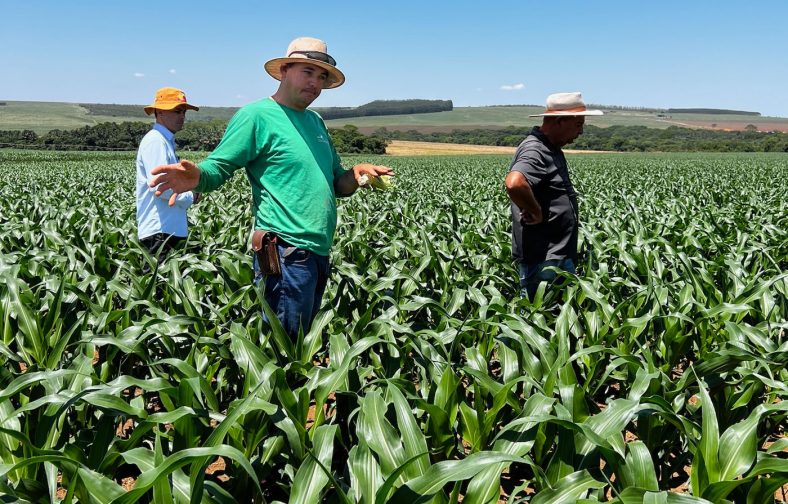
What do Regenerative Farmers Truly Need?

reNature generates first Agroforestry carbon credits in Brazil with Rabobank

How to empower Regenerative Entrepreneurship
Teams relating to commodity

Partners relating to commodity


