

Dear CFO,
Published on: February 10, 2025
Being on top of the supply chain, you know food security isn’t a distant policy issue – it’s a financial risk that’s already playing out across global markets.
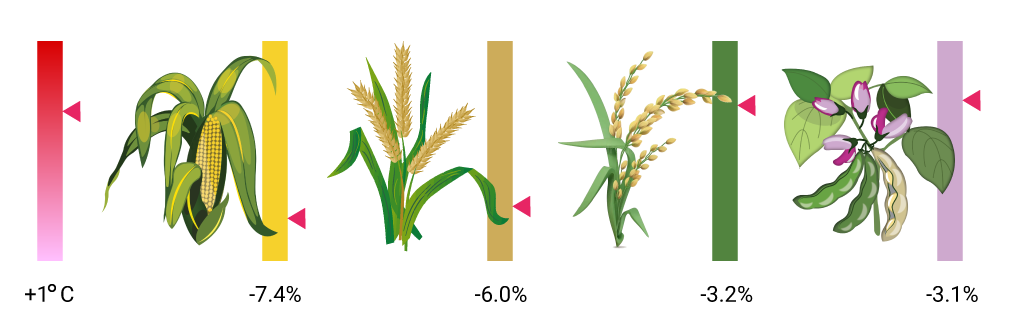
The decline in agricultural productivity is a growing concern, with climate change reducing global yields by 21% since 1961. Projections indicate that for every 1°C rise in global temperature, staple crop yields will decline further:
– Maize: -7.4%
– Wheat: -6%
– Rice: -3.2%
– Soybeans: -3.1%
This decline threatens global food security and impacts commodity prices, supply chains, and economic stability. Rising food costs can contribute to inflationary pressures, disrupt production cycles, and create volatility across financial markets.
We are also seeing a shift in how governments and corporations approach sustainability commitments. ESG targets are being abandoned, and financial markets prioritize short-term gains over long-term stability. However, these shifts do not negate the fundamental risks climate change poses and its impact on agricultural yields.
Insurance companies are already recalibrating risk models in response to increased claims related to agricultural losses. A Stanford University study estimated that rising temperatures added $27 billion in additional U.S. crop insurance payouts between 1991 and 2017—accounting for 19% of total indemnities. This underscores the escalating financial burden on insurers and highlights the urgent need for proactive measures.
To mitigate these risks, crucial steps include investing in sustainable agricultural practices, improving conventional farming methods, and exploring alternative food sources. Ensuring a stable food supply is not just about meeting demand—it’s about protecting long-term economic resilience and reducing exposure to market volatility.
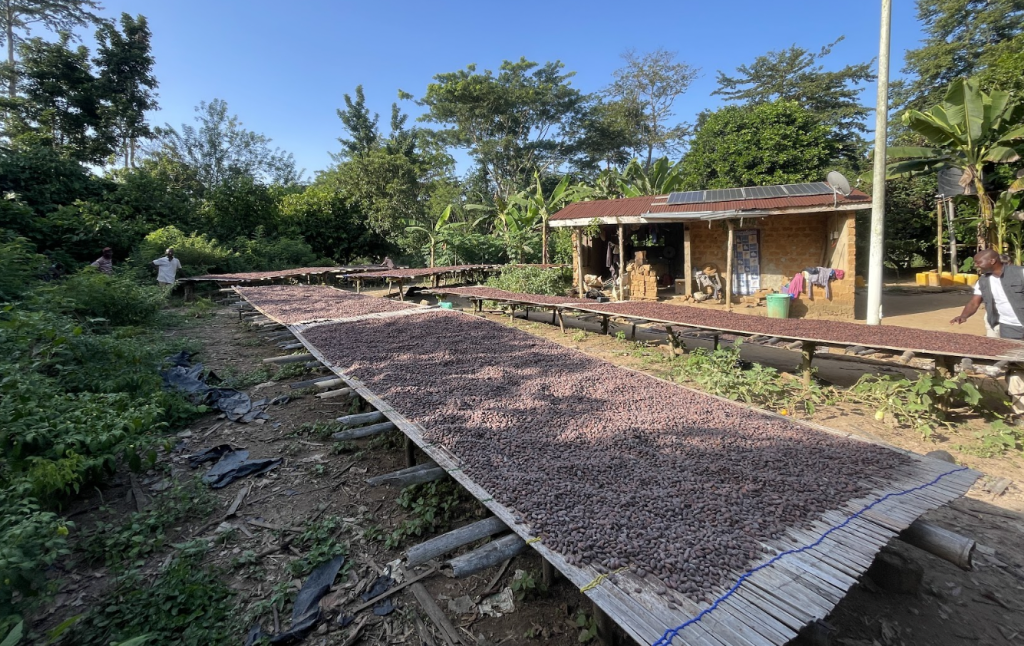
Reduced cocoa yields, for example, are already driving up raw material costs, disrupting supply chains, and increasing procurement volatility. Companies reliant on cocoa and other agricultural inputs are feeling the pressure on profit margins, requiring adjustments in pricing strategies and supply chain management.
Beyond the immediate financial strain, climate-induced crop losses highlight the need for long-term investment in resilient supply chains. Regenerative agriculture and climate-smart sourcing are becoming essential to maintaining stability and reducing risk. Meanwhile, regulatory and compliance pressures continue to grow, with financial institutions increasingly linking climate risk to corporate disclosures and reporting obligations. Failing to act can lead to reputational damage, regulatory scrutiny, and investor concerns.
Another critical consideration is the rising cost and complexity of securing insurance coverage against extreme weather events. As investors prioritize sustainability and risk management, companies that fail to adapt may struggle to secure funding and maintain market confidence.
Rather than viewing these challenges as roadblocks, this is an opportunity to lead in developing sustainable agricultural models that drive both profitability and resilience. By scaling up regenerative agriculture in collaboration with farmers, we can enhance soil health, increase yields, and create a more secure food system for the future. This strengthens supply chains while aligning with a forward-thinking investment strategy that prioritizes sustainability, innovation, and long-term growth.
Let’s secure our future together, starting today.
Warm regards,
