

Fostering Resilience and Sustainability in Laikipia
- DefinitionDevising project idea, defining the aim and main components
- DesignSpecifying details such as time-frame, budget, target indicators, project partners and relevant steps to reach the project objectives
- Open to FinancingSearching and securing funding and investment, setting up relevant financing partnerships, and discussing payment modalities
- ImplementationExecution of feasibility studies, context analysis, plot design, planting and setting up facilities and starting with potential capacity-building
- MaintenanceOperational phase (monitoring and evaluation, impact assessments and adjustments, execution of educational programmes and long-term capacity building)
- Scaling UpScaling up phase is when the project it has already shown success by obtaining impact as well as economic results and it's ready to become replicable.
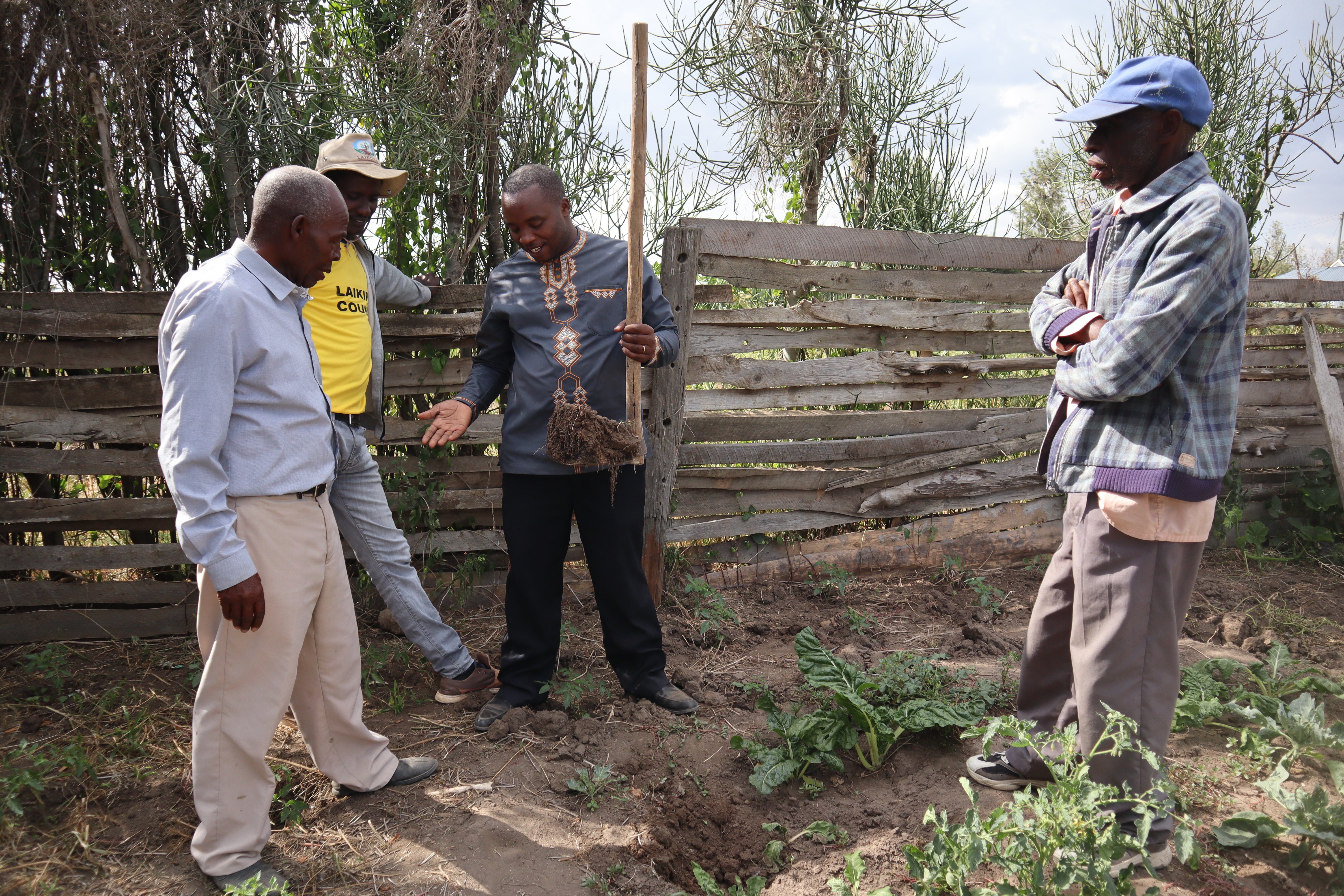
The Lekiji and Endana model farms aim to transform rural communities in the Laikipia District of Kenya by establishing Model Farms. These farms are much more than agricultural sites; they serve as innovation hubs where regenerative practices are tested, adapted, and shared with local farmers to enhance food security, strengthen economic resilience, and promote environmental stewardship. By focusing on sustainable agriculture, the project seeks to address these communities’ unique challenges, such as food insecurity, wildlife conflicts, and climate shocks, while creating diversified income streams that foster long term economic growth.
Nurturing Growth: Establishing Nurseries, Greenhouses, and Sustainable Practices
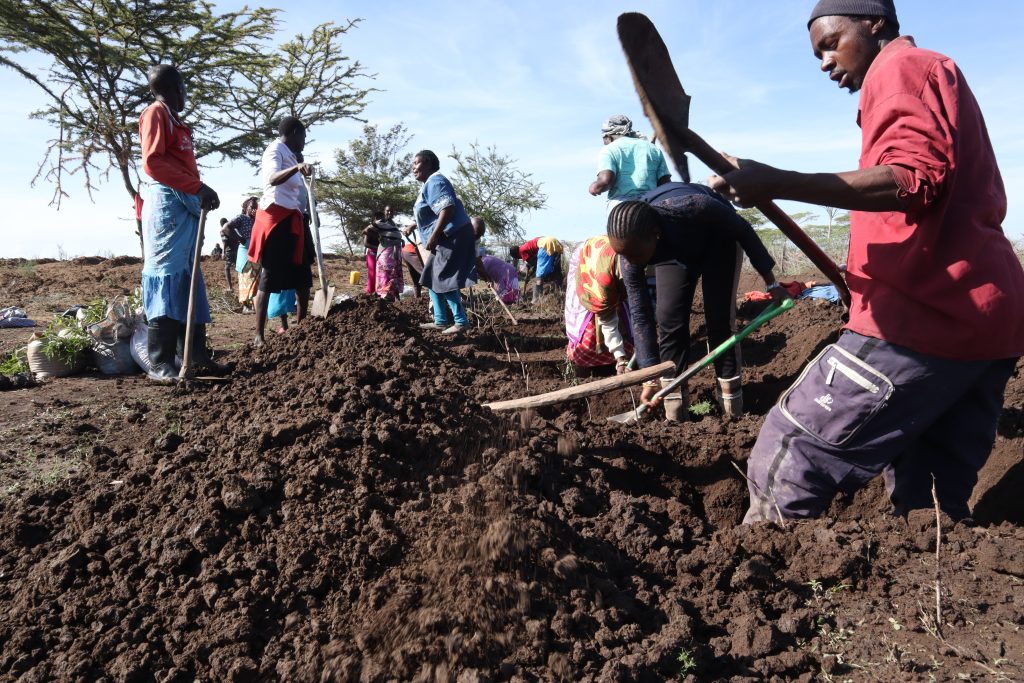
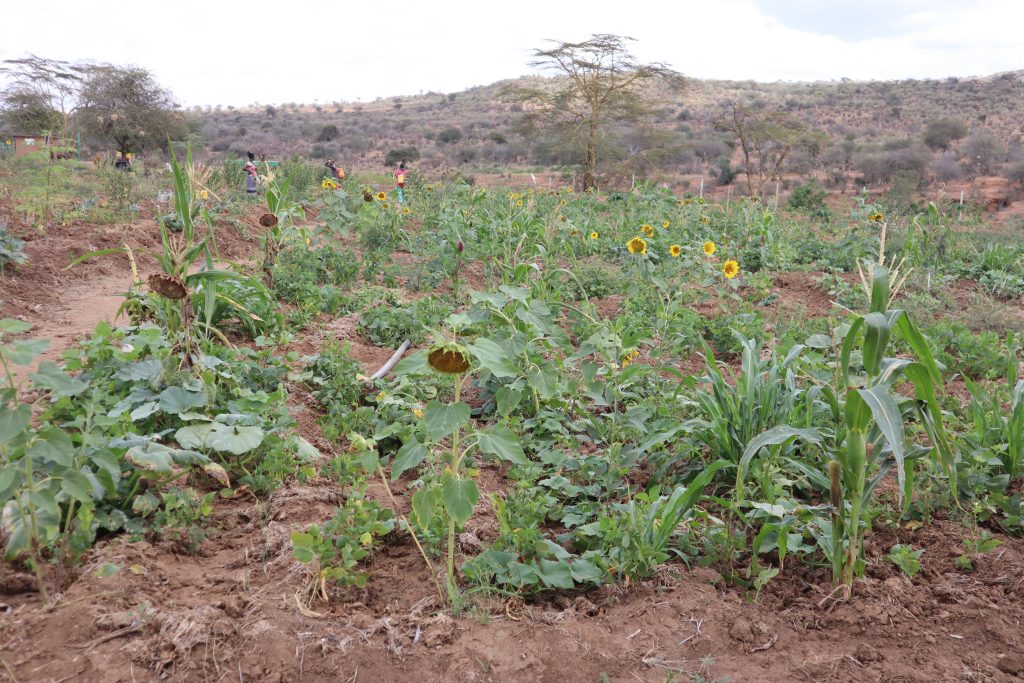
The Lekiji and Endana Model Farms are designed to serve as proof of concept for the wider adoption of regenerative agricultural techniques. These farms are currently producing diverse crops, including fruits such as bananas, citrus, macadamia, and vegetables, alongside native plants like acacia and sweet potatoes. The project’s next phase involves the development of nurseries and greenhouses to increase productivity further, extend the growing season, and create a more resilient agricultural system that can withstand the impacts of climate change.
Nurseries will provide communities with essential plant material, such as trees for agroforestry and seeds for food crops, enabling more farmers to transition to sustainable farming. These nurseries will also facilitate knowledge sharing across the community, serving as a resource for the propagation of climate-resilient crops that can thrive in the region’s challenging conditions. Meanwhile, greenhouses will allow farmers to extend their growing season and cultivate high value crops, further increasing food production and nutritional diversity.
Expanding Impact: Replicating Success and Scaling Up Across Laikipia
Drawing on the lessons learned from the successful establishment of Model Farms in Lekiji and Endana, the project is committed to expanding its reach to more communities across the Laikipia District. The objective is to scale up from the initial two farms to nine, with seven additional farms already planned for the near future. These farms will cover a potential area of 2,400 hectares, benefitting 1,600 indirect beneficiaries and reaching over 1,000 households, ensuring that more people can access the resources and training necessary to adopt regenerative agriculture.
The goal is not only to provide immediate food security but also to create a sustainable system that fosters long-term agricultural development. By disseminating knowledge on sustainable farming practices—such as agroforestry, soil restoration, water management, and financial literacy—farmers will be empowered to replicate these practices, driving a broader transformation across the district.
Overcoming Challenges: Climate Resilience, Food Security, and Wildlife Conflicts
Rural farmers in the Laikipia District face challenges that hinder their ability to produce food and generate income. Frequent droughts and climate change’s unpredictability make it difficult for communities to rely on traditional farming methods. Food insecurity is a persistent issue, exacerbated by limited access to markets and financial resources. Additionally, wildlife conflicts—particularly with elephants—pose a significant threat to crops and property, as these animals often encroach on farmland for food and water.
The Lekiji and Endana Model Farms address these challenges head-on by implementing sustainable, regenerative practices designed to boost resilience. Through tree planting and agroforestry, farmers are improving soil health, increasing water retention, and reducing erosion, all of which help mitigate the impact of droughts. The nurseries will provide farmers with climate resilient crop varieties, ensuring they have access to food crops that can withstand changing environmental conditions.
To combat wildlife conflicts, the project works closely with the local communities to develop solutions that protect farms while preserving wildlife habitats. Agroforestry systems and boundary planting are being explored as natural deterrents, helping to reduce crop damage from wildlife without resorting to harmful practices.
Building Economic Resilience: Market Access, Income Diversification, and Cooperative Farming
Beyond addressing food security and environmental sustainability, the Lekiji and Endana project aims to strengthen the economic resilience of participating communities. By diversifying the types of crops grown on the Model Farms—such as high value fruits like citrus and macadamia—farmers can generate additional income while reducing their reliance on a single source of livelihood. This diversified approach to farming provides a more stable food supply and creates new economic opportunities through the sale of surplus produce.
One of the key components of the project is establishing market connections with local buyers and ranches, ensuring that farmers have a steady outlet for their produce. By linking farmers to these markets, the project will help them negotiate better crop prices, improving overall profitability. This is particularly important for rural farmers, who often need more bargaining power and market access to secure fair product prices.
The project also explores the introduction of a cooperative farming model to further enhance the economic stability of these communities. Farmers can reduce input costs, share knowledge, and access larger markets by pooling resources and working together. This cooperative approach will enable farmers to collectively sell their produce, increasing their bargaining power and allowing them to secure higher prices.
Empowering Communities Through Education and Knowledge Dissemination
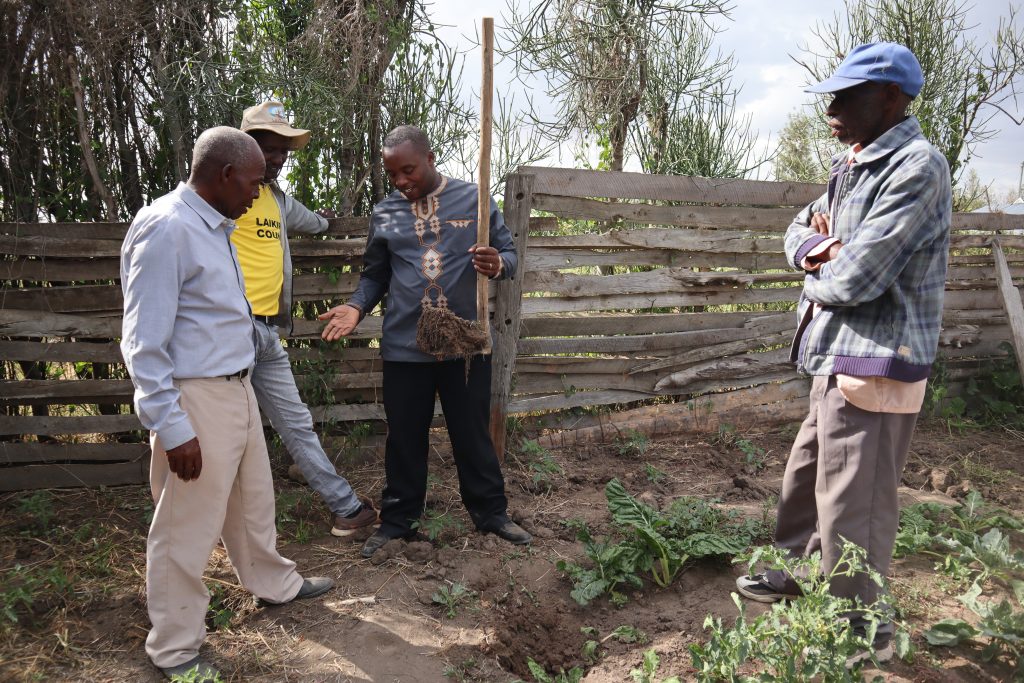
At the heart of the Lekiji and Endana project is a commitment to education and knowledge sharing. The project emphasizes the importance of peer to peer learning, where farmers who have successfully adopted regenerative practices share their experiences with others in the community. This snowball effect ensures that the knowledge gained from the Model Farms is passed on, creating a self sustaining agricultural development system.
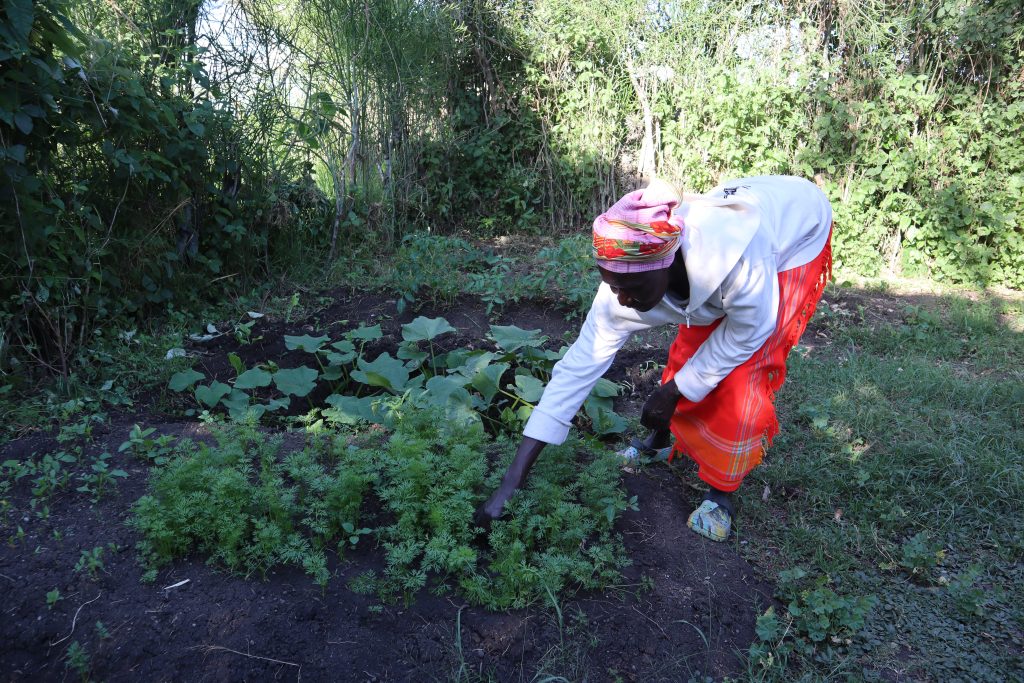
Training sessions at the Model Farms cover various topics, including sustainable farming practices, agroforestry, water management, governance, and financial management. These sessions are designed to give farmers the tools they need to implement regenerative practices on their farms, ensuring that the project’s impact grows long after the initial farms are established.
Environmental Stewardship: Restoring Ecosystems and Enhancing Biodiversity
One of the core principles of the Lekiji and Endana project is environmental stewardship. By integrating agroforestry and regenerative land management practices, the project is helping to restore degraded ecosystems, enhance biodiversity, and combat deforestation. Planting trees alongside crops improves soil fertility, increases water retention, and provides habitats for wildlife, all of which contribute to a more resilient and biodiverse ecosystem.
These agroforestry practices also contribute to carbon sequestration, helping mitigate climate change’s effects by capturing and storing carbon in trees and soil. By prioritizing environmental sustainability, the project is creating an agricultural system that is productive and ecologically balanced, ensuring that the land can continue to support future generations.
A Vision for the Future: Scaling Sustainable Agriculture Across Laikipia
Our vision for these model farms is to be a blueprint for sustainable rural development that can be scaled and replicated across the Laikipia District and beyond. In its essence, this project is one that is derived from scaling up the principles and practices employed for the Laikipia Permaculture Centre project. By focusing on the creation of Model Farms, the project demonstrates the viability of regenerative agriculture as a solution to the challenges faced by rural farmers. As the project expands to more communities, its impact will continue to grow, improving food security, economic resilience, and restoring ecosystems.
With a strong foundation in education, community empowerment, and environmental stewardship, the project represents a holistic approach to sustainable agriculture that benefits both people and the planet. Through continued investment and support, this project has the potential to transform the agricultural landscape of Laikipia, creating a more sustainable, equitable, and resilient future for all.
Journal
“We need solutions on a large scale.”

A definition of Regenerative Agroforestry

Agroforestry implementation update from Laikipia, Kenya

Building capacity in Laikipia County

Learning by seeing at Laikipia’s Model School

Empowering Women in Agriculture
