

Nourishing Minds Through Youth and Mothers in Malawi
- DefinitionDevising project idea, defining the aim and main components
- DesignSpecifying details such as time-frame, budget, target indicators, project partners and relevant steps to reach the project objectives
- Open to FinancingSearching and securing funding and investment, setting up relevant financing partnerships, and discussing payment modalities
- ImplementationExecution of feasibility studies, context analysis, plot design, planting and setting up facilities and starting with potential capacity-building
- MaintenanceOperational phase (monitoring and evaluation, impact assessments and adjustments, execution of educational programmes and long-term capacity building)
- Scaling UpScaling up phase is when the project it has already shown success by obtaining impact as well as economic results and it's ready to become replicable.
Malawi, a landlocked nation in southeastern Africa, remains one of the world’s poorest countries despite significant economic and structural reforms. Approximately 50% of the population lives below the national poverty line, with 25% in extreme poverty. The economy is heavily dependent on agriculture, which employs over 80% of the population, and it is vulnerable to external shocks, particularly climatic shocks.
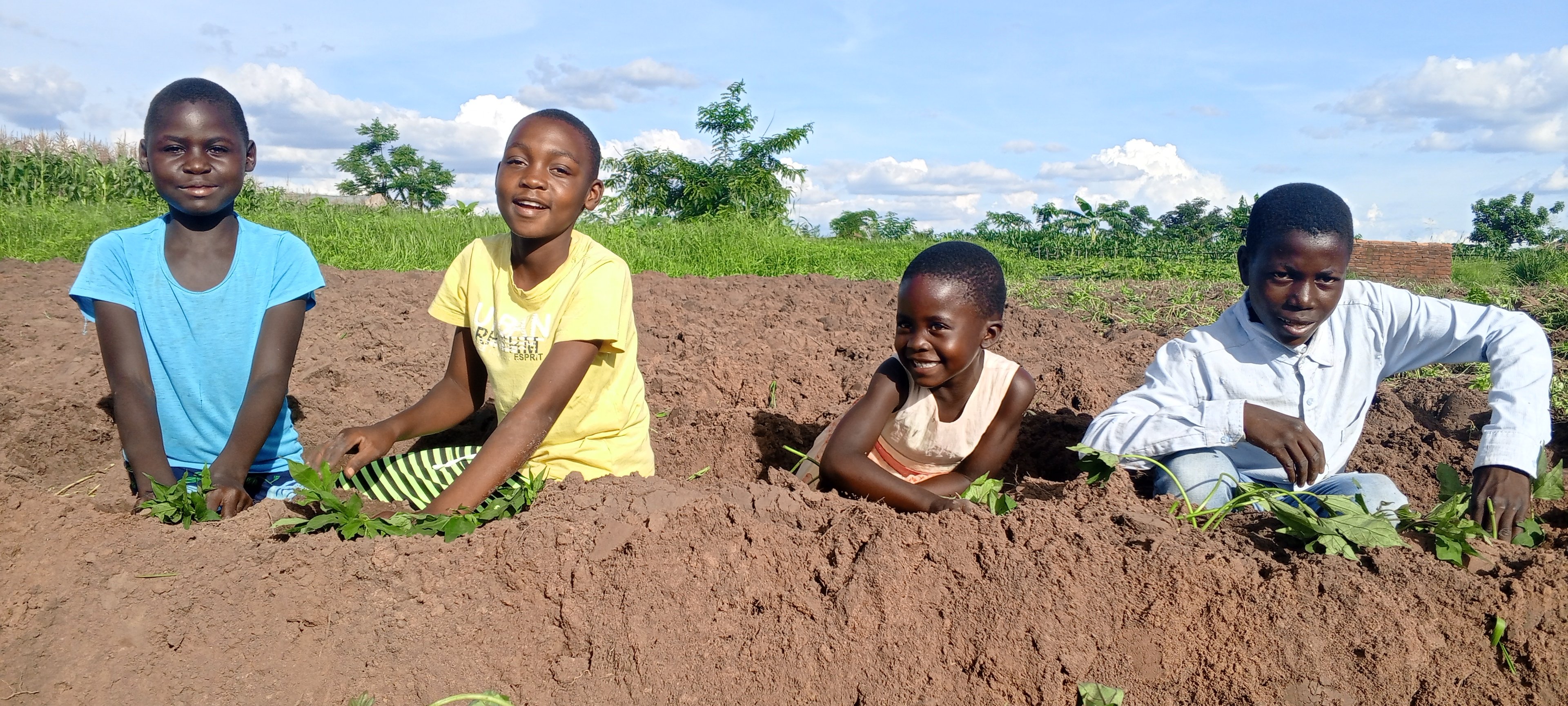
Based in the rural outskirts of Lilongwe, the NourishingMinds project initiated by THANZI265 and supported by the Kanthari Foundation Switzerland, works with 25 children aged 6 to 13 and their mothers, aiming to equip the next generation with the tools to grow, cook, and share nutritious food through regenerative practices.
Growing Knowledge from the Ground Up
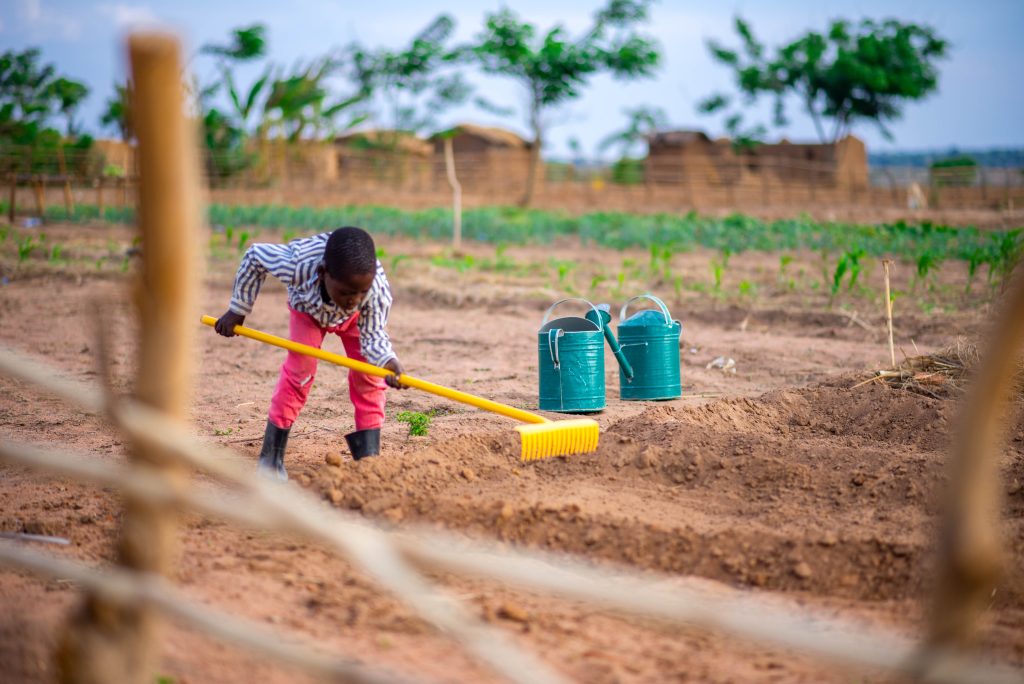
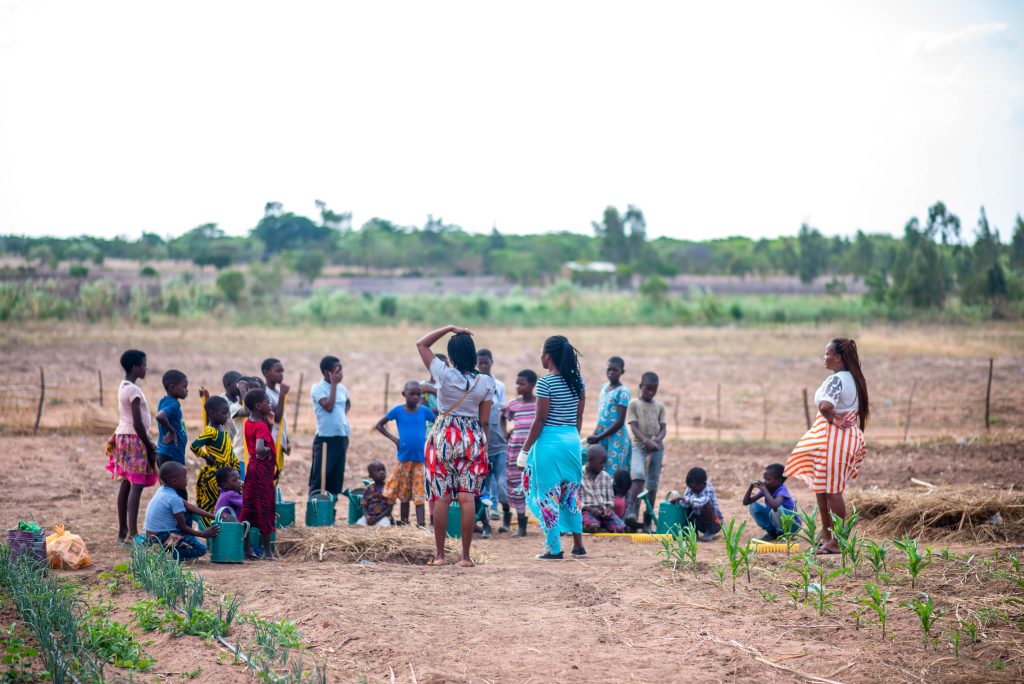
Over 8 months, 25 children and their families engage in hands on learning about farming and food preparation, not in traditional classrooms but directly on the land.
The curriculum unfolds over five phases, each inspired by one of the basic taste sensations:
- Bitter: Introduction to the nutritional value of bitter crops
- Sour: Establishment of over 20 home kitchen gardens to promote practical farming skills
- Salty: Teaching of basic cooking techniques, composting, and mulching
- Umami: Harvesting, preparation of balanced meals, and seed saving practices
- Sweet: Celebration of achievements through food and storytelling
Empowering Mothers
Parallel to the children’s education, the EmpowerHer program engages mothers in training sessions focused on nutrition, financial literacy, and regenerative cooking. Through self help groups and seed funding for table banking (a microfinance approach), women collaborate to save, lend, and invest in small scale businesses.
This dual track approach reinforces household resilience. As children introduce new knowledge at home, mothers support and expand upon it, collectively shifting family habits, enhancing food security, and reducing dependence on external aid.
Restoring Health and Soil
The impact of Nourishing Minds extends beyond nutrition. Over 75% of participating children develop a robust understanding of sustainable agriculture and healthy eating. They learn to identify alternatives to chemical fertilizers and cultivate diverse, nutrient rich crops.
Crucially, the program instills a sense of agency. Children who once faced hunger now contribute to their families’ sustenance. Mothers transition from reliance on unstable markets to producing their own food and supporting each other financially. Communities reconnect with traditional knowledge, regenerate their soils, and envision new possibilities – beginning with their kitchen gardens. The produce that is farmed by the youth and women is then sold to Lark Café in Lilongwe, opening up paths to connect to local markets, and creating a connection between learning and creating livelihoods.
A Community Led Future
Malawi’s food crisis is multifaceted and deeply rooted. However, initiatives like Nourishing Minds demonstrate that transformative change can originate from within communities. By investing in children, mothers, and the land they cultivate, THANZI265 is fostering a local, regenerative food system which can grow and empower Malawi to a greater extent.
Journal

Learning by seeing at Laikipia’s Model School

How to empower Regenerative Entrepreneurship

How can we transition to regenerative land-use, faster?
