Securing Yields is The Next Thing.
Published on: October 11, 2025
Farmers are facing declining yields in various commodities worldwide. Just to give one example: The indigenous coffee producers in Rondônia, especially those in Cacoal, experienced very low production. Producers without irrigation systems saw their production drop by 10%. This has a direct effect on their income and livelihood. However, further up the supply chain, people are also getting nervous—the price per ton and the What If Question continue to rise.
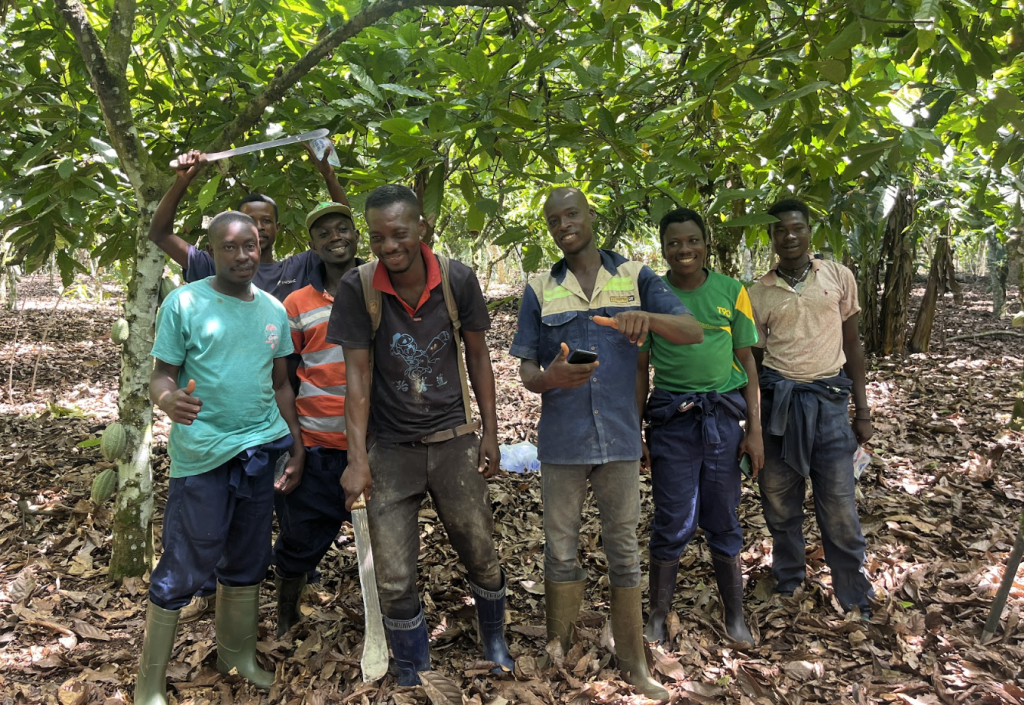
And this is not just in coffee. When you watch the heartbreaking shout-out from James, a cacao farmer in Ghana, you can see why he is worried about the future. Hundreds of trees are in a terrible state and are dying. Apocco Farms is one of our projects that is awaiting financing.
The Cocoa Dip and Other Drops
Cocoa
In the most recent data, global cocoa production fell by about 12.9% year-on-year, driven largely by major supply shortfalls in West Africa.
Some of the contributing factors cited include:
- Heavy rainfall and disease (e.g. black pod) from late 2023
- Drought driven by El Niño conditions in 2024
- Worsening plant disease pressures (e.g. cocoa swollen shoot virus)
- Structural stresses in the cocoa sector (aging trees, underinvestment)
Maize
The decline (0.6%) in global maize harvest in 2024 was mainly driven by adverse weather and lower output in key producing regions such as the USA. The reduction in maize production is notably linked to late-season moisture stress in the United States, which curtailed yields relative to expectations.
Coffee
According to Sucden Financial, the 2024-25 global coffee crop is estimated at 162.8 million bags, which is a 0.9% decline from the previous year’s 164.2 million bags. Adverse weather—such as droughts in Vietnam, which led to a decline of 10-15%, and heat / dry conditions in Brazil, which led to a drop of 3%—along with supply pressures in other producing countries, contributed to reduced output.
Water
The WMO describes 2024 as an “extraordinary year” of record heat, climate extremes, and widespread deviations from normal in rivers, reservoirs, lakes, groundwater, and glaciers. Global river flows in 2023 hit their lowest levels in over three decades, which signals worsening water availability across many basins. On top of that, UNESCO reports that freshwater use has been growing by just under 1% per year globally, thereby putting increasing stress on water systems.
Organizations such as Waterplan make it possible to scale regenerative agriculture practices and decrease the use of groundwater.
How to Secure Food and Sourcing Security
It needs no explanation that these indicators show we must take on the task of securing food for the farmers and sourcing our supply chains. Securing these can only be successful if the approach considers the farmer and respects the locality.
Developing Local Models
Understanding the local context means carefully analyzing and adapting regenerative interventions to suit specific environmental and social conditions. This process is essential for achieving the project’s main objectives, such as improving food security, increasing soil water retention, enhancing nutrient cycling and absorption, and enriching biodiversity.
A local model is based on collected relevant baseline data, including assessments of soil health, climate, existing cropping systems, community dynamics, and other regional factors. The information gathered will be used to track progress against the project’s key performance indicators (KPIs), beneficial for donors and project owners.
To assess the socioeconomic baseline, reNature collaborates with the Food and Agriculture Organization (FAO) using the FAO’s Tool for Agroecology Performance Evaluation (TAPE) methodology. This ensures that the project’s social and economic impacts are measured in a standardized and globally recognized way.
Geert van der Meer
Winning Farmers’ Trust
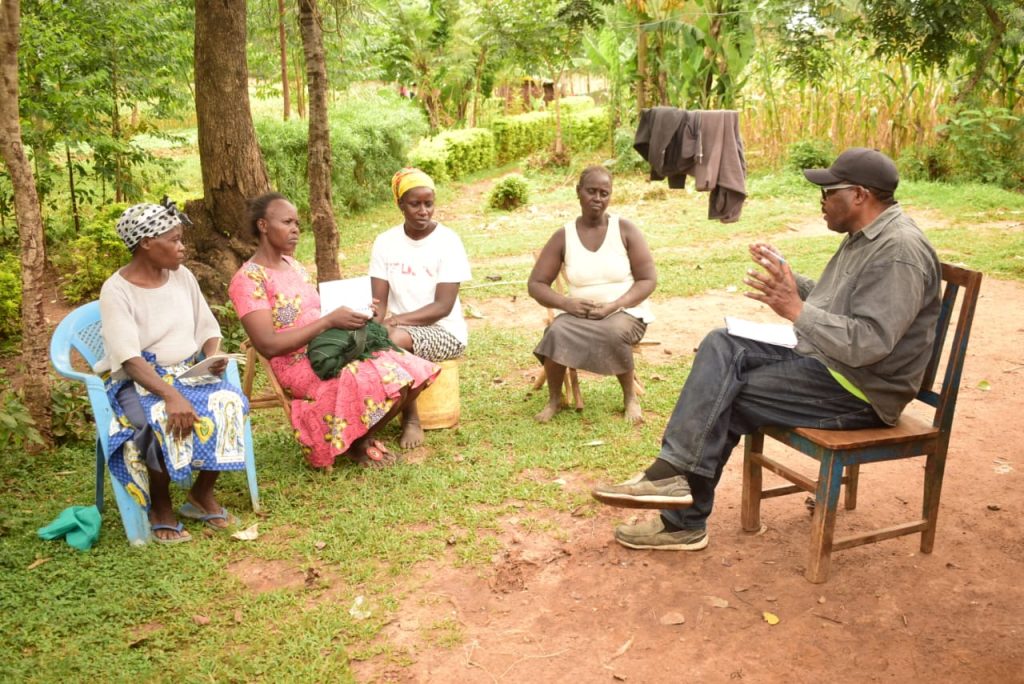
Often, the farming community is a closed environment where farming practices have a long history. Families run farms for years with father-to-son successions. To win their trust, you need to speak their language and understand their situation.
The fact is that almost 60% of all farmers run farms smaller than 5 hectares. This means that to change the agricultural practices in a region, you need to win the farmers’ trust from within the farming community.
Farm cooperatives and associations sometimes help small farmers by providing technical assistance, access to finance, and sometimes certification (Fairtrade, Organic, Rainforest Alliance, etc.). These can play a role by speeding up the transition, but they are not always around.
Regional Scaling
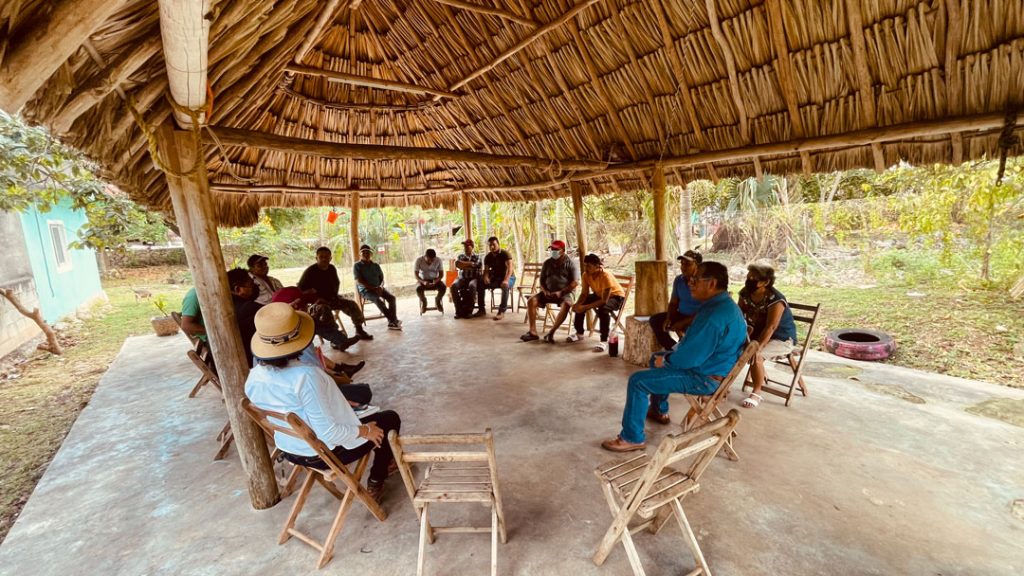
Once the model farm is established, key stakeholders—such as farmers, project sponsors, and regional partners—can use the grounds for training.
This knowledge transfer is part of the success story for scaling. The other part is a transition path that secures financial returns for the farmers from year one, a step that is often overlooked.
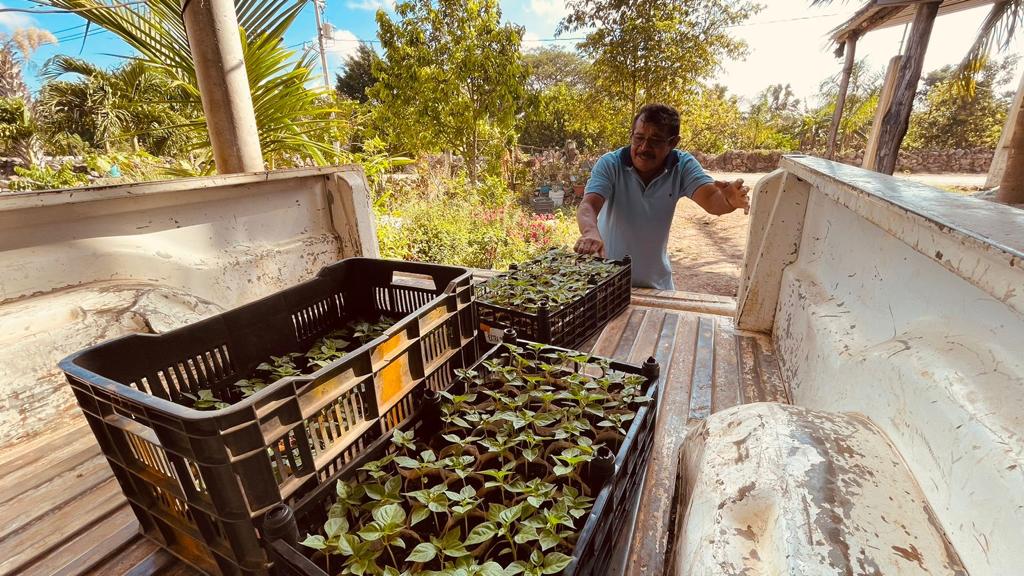
The challenge, however, remains in financing the transition in the long run. Ongoing Monitoring & Evaluation to learn and possibly adjust the model, continuous training of new cohorts of farmers, and providing low-cost trees and other seedlings, put pressure on the financial feasibility.
Enduring Approach
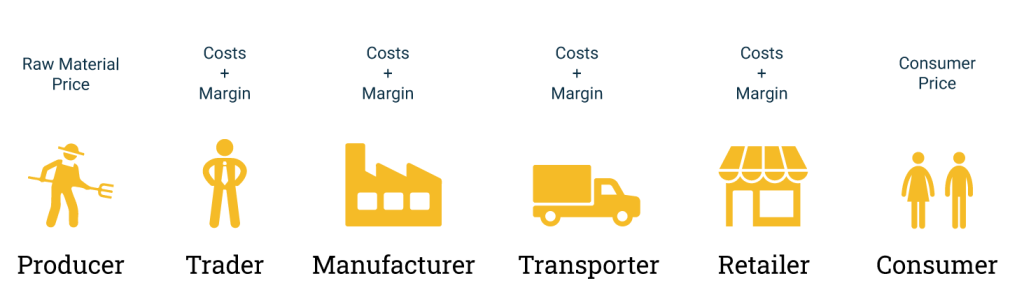
Securing yields and creating long-term food and sourcing security demands a long-term commitment from all stakeholders:
- Farmers must continue to apply regenerative practices that restore soil and biodiversity.
- Input Suppliers must provide affordable, natural, regenerative-compatible inputs.
- Processors must source directly from regenerative farms under long-term contracts.
- Brands/Retailers must reward regeneration through transparent labeling and fair pricing.
- Financiers must fund the transition with patient, impact-driven capital.
- Governments and Landowners must incentivize regenerative practices through supportive policies.
- Consumers must choose and advocate for regenerative products.
Conclusion
In a world where food security is slowly declining due to climate extremes and diseases, only a thorough long-term approach may change the course. To secure future food and sourcing stability, regenerative agriculture must adapt to local conditions. There is no such thing as one-size-fits-all in agriculture.
Developing localized models—grounded in baseline data on soil, climate, and community—ensures interventions enhance soil health, water retention, nutrient cycling, and biodiversity. Scaling these regenerative models requires farmer training, accessible finance, and fair market incentives.
Every actor has a role in this: farmers regenerate soils, financiers fund transitions, brands and retailers reward good practices, and governments, suppliers, and consumers align behind a shared, enduring commitment to restore productivity and resilience.